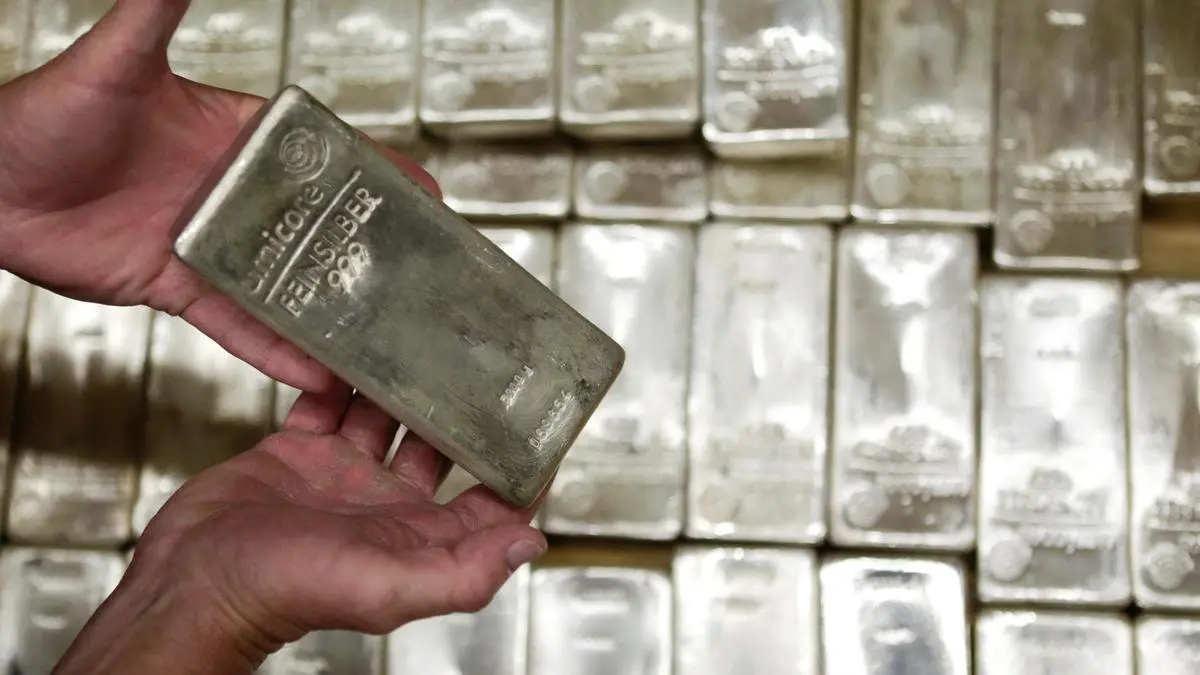
The precious metals complex is experiencing a notable divergence as rising crude oil prices and shifting interest rate expectations create distinct headwinds for silver compared to gold. While gold maintains a resilient posture near historical highs, silver has faced renewed selling pressure. This shift is driven by the dual impact of energy-linked inflation concerns and the broader macroeconomic environment surrounding US monetary policy.
Energy Price Volatility and Industrial Demand
Crude oil prices have moved higher, creating a complex environment for silver. Unlike gold, which functions primarily as a store of value, silver maintains a significant industrial footprint. Rising energy costs often serve as a proxy for broader inflationary pressures, which can increase the cost of production for silver-intensive industrial applications. When crude prices surge, the market often recalibrates the cost-benefit analysis for industrial metals, leading to a cooling of demand expectations for silver in manufacturing sectors.
This dynamic is distinct from the gold market, where investors often view energy-driven inflation as a catalyst for safe-haven buying. Because silver is sensitive to both industrial output and monetary policy, the current energy spike forces a faster repricing of its industrial utility relative to its precious metal status. This explains why silver frequently underperforms when energy costs rise rapidly, even as gold holds its ground.
Monetary Policy and Opportunity Costs
Increased expectations for a US interest rate hike are exerting downward pressure on non-yielding assets. As the probability of higher rates rises, the opportunity cost of holding precious metals increases, particularly for silver, which lacks the same level of central bank support that gold receives during periods of geopolitical or economic uncertainty. The market is currently pricing in a more hawkish outlook, which disproportionately affects silver due to its higher volatility and sensitivity to liquidity conditions.
- Rising crude oil prices increase industrial production costs.
- Higher interest rate expectations elevate the opportunity cost of holding non-yielding metals.
- Gold remains supported by safe-haven demand, while silver faces industrial demand cooling.
AlphaScala Market Context
Market participants are monitoring how these macro shifts impact broader consumer and technology sectors. For instance, companies like ON Semiconductor Corporation must navigate these input cost fluctuations, as energy-sensitive materials often influence the bottom line for high-tech manufacturing. AlphaScala currently tracks ON with an Alpha Score of 46/100, reflecting a mixed outlook as the firm manages these shifting supply chain variables. Similarly, Amer Sports, Inc. carries an Alpha Score of 47/100, illustrating the broader challenges consumer-facing firms encounter when commodity price volatility disrupts cost structures.
For further analysis on how these trends intersect with global supply chains, see our commodities analysis. The next concrete marker for the precious metals complex will be the upcoming release of US economic data, which will provide the necessary clarity on whether the current interest rate trajectory remains intact or if the market must adjust its expectations for future policy meetings.