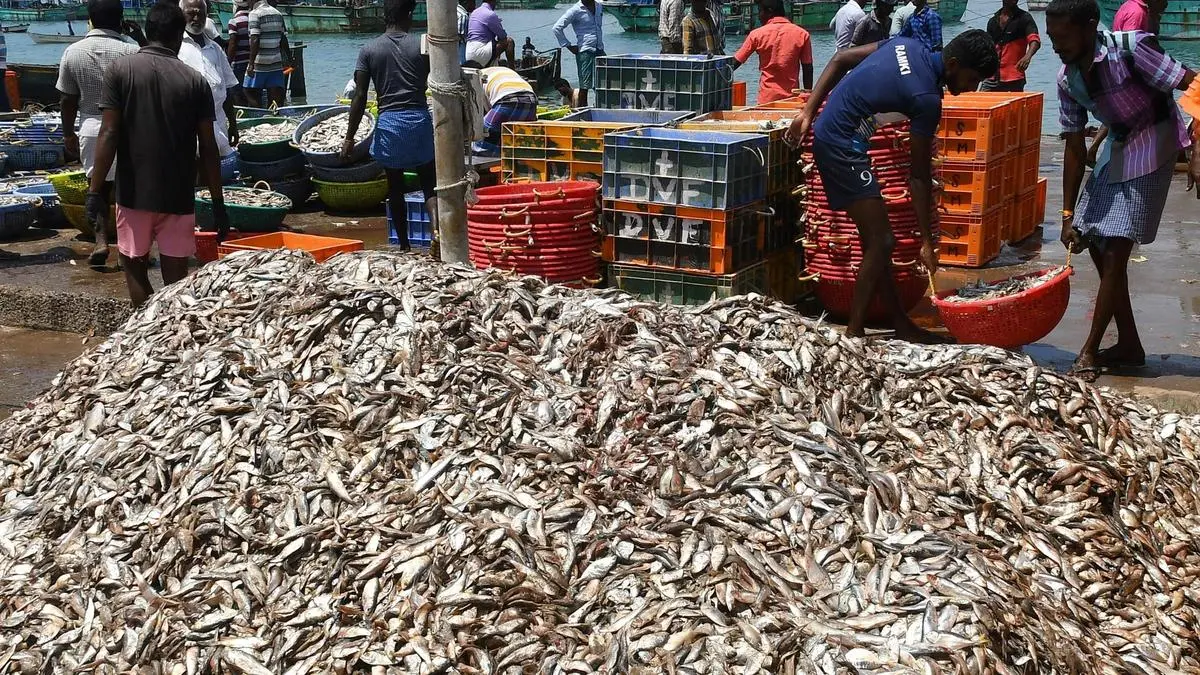
The global fishmeal and fish oil sector is facing mounting pressure from marine experts to implement mandatory traceability standards. This push stems from the persistent prevalence of Illegal, Unreported, and Unregulated (IUU) fishing, which threatens the long-term sustainability of the marine resources that underpin the industry. As demand for these high-protein feed ingredients continues to climb, the lack of transparency in the supply chain has become a focal point for regulatory scrutiny.
Vulnerabilities in Marine Resource Extraction
The reliance on wild-caught fish for the production of fishmeal creates a direct link between market demand and the health of oceanic ecosystems. When traceability is absent, the market struggles to distinguish between legally harvested biomass and product sourced through IUU practices. This ambiguity complicates efforts to manage stock levels effectively, as unreported extraction undermines the data used to set sustainable catch quotas. For producers and downstream buyers, the inability to verify the origin of raw materials introduces significant operational risk. If regulatory bodies move to enforce stricter documentation, companies without robust supply chain oversight may face sudden disruptions in their ability to source or distribute product.
Market Dynamics and Demand Drivers
Demand for fishmeal remains robust due to its status as a critical component in aquaculture and livestock feed. The sector is currently navigating a period where the necessity for high-quality protein is colliding with the ecological limits of traditional fishing grounds. As stakeholders push for mandatory traceability, the industry must prepare for a shift in how supply is verified. This transition is likely to favor larger, more integrated operations capable of maintaining end-to-end oversight. Smaller players or those reliant on fragmented supply networks may find their costs rising as they are forced to invest in new monitoring and verification technologies to remain compliant with emerging standards.
- Increased scrutiny on IUU fishing practices.
- Demand for standardized documentation across international borders.
- Potential for supply bottlenecks as verification requirements tighten.
Operational Impacts of Regulatory Shifts
The push for transparency is not merely an environmental concern but a structural shift in how the commodity is traded. If traceability becomes a legal requirement, the market will likely see a bifurcation between verified, sustainable supply chains and those that cannot meet the new standards. This could lead to a premium for certified product, while unverified sources may face exclusion from major markets. The industry must now reconcile its production output with the growing requirement for verifiable data. Similar to the challenges seen in other resource-intensive sectors, such as those analyzed in our commodities analysis, the focus is shifting toward the integrity of the upstream supply chain.
Market participants should monitor upcoming policy discussions regarding international maritime trade regulations. The next concrete marker for this sector will be the introduction of any formal legislative proposals that mandate digital tracking or third-party auditing of fishmeal shipments. These developments will determine whether the current voluntary standards transition into binding requirements for all global market participants.