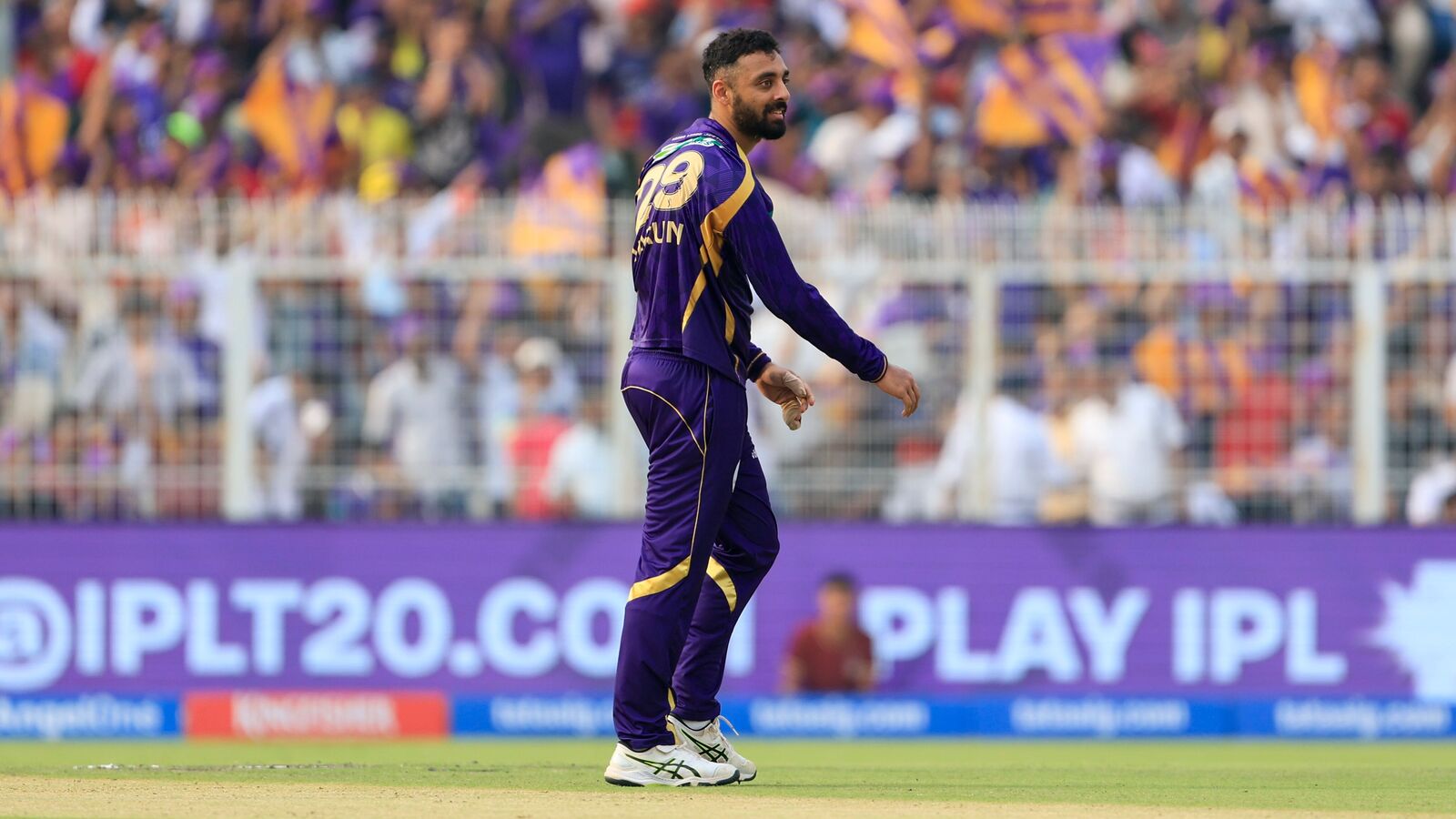
The Kolkata Knight Riders (KKR) have entered a critical performance slump in the 2026 Indian Premier League season, failing to secure a victory through their first six matches. This winless streak has shifted the focus toward internal operational failures rather than external competitive factors. Mystery spinner Varun Chakaravarthy recently identified the team's inability to control the powerplay phase as the primary driver of this underwhelming campaign. The failure to secure early-game advantages has consistently left the squad in a defensive posture, complicating recovery efforts in the middle and death overs.
Structural Deficiencies in Powerplay Execution
The inability to win the first six overs has become the defining narrative for the franchise this season. In professional sports management, the powerplay represents a high-leverage window where tactical discipline is expected to yield disproportionate returns. KKR's recurring failure to capitalize on this period suggests a breakdown in either strategic planning or individual execution. This lack of early momentum forces the team to rely on high-risk recovery strategies later in the innings, which has proven unsustainable against more disciplined opposition.
Beyond tactical shortcomings, the team is grappling with significant personnel availability issues. Injuries sustained on the ground have disrupted the continuity of the playing XI, preventing the coaching staff from establishing a consistent rotation. When a roster lacks stability, the ability to refine team chemistry and execute complex game plans diminishes. The current environment at KKR serves as a case study in how cumulative operational friction leads to a total loss of competitive momentum.
Sectoral Context and Performance Metrics
Performance volatility is not limited to the sports entertainment sector, as institutional investors often monitor how management teams navigate periods of sustained underperformance. While KKR operates within a unique sports-media ecosystem, the principles of resource management and strategic adaptation remain relevant to broader financial sectors. For instance, firms like KKR & Co. Inc. must maintain rigorous operational standards to preserve their market standing, as seen in our current data where the firm holds an Alpha Score of 48/100 and a Mixed label. Similar to the challenges faced by sports franchises, financial entities require consistent execution to avoid the type of structural decay currently visible in the KKR cricket operations.
Investors and analysts often look for specific markers of a turnaround when a firm or team hits a performance floor. For KKR, the next concrete marker will be the team's ability to adjust its powerplay strategy in the upcoming fixture. A failure to demonstrate a shift in tactical approach or a return to health for key personnel will likely solidify the current narrative of a lost season. The organization must now prove it can mitigate these internal risks before the season reaches its final stages, where the window for recovery effectively closes.