Back to Markets
Stocks● Neutral

Political Visibility and Consumer Sentiment in West Bengal

Political Visibility and Consumer Sentiment in West Bengal
PMONASA

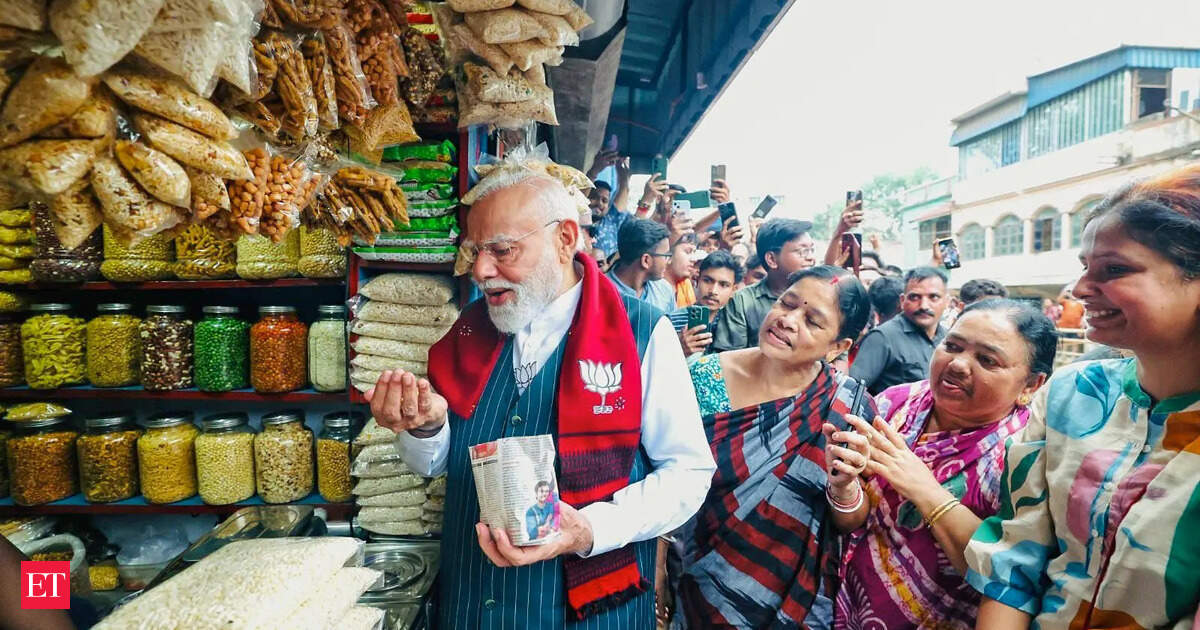
Prime Minister Narendra Modi's unscheduled stop in Jhargram highlights the intersection of grassroots political engagement and regional economic sentiment in West Bengal.

AlphaScala Research Snapshot
Live stock context for companies directly referenced in this story
Alpha Score
52
Weak

Alpha Score of 52 reflects moderate overall profile with weak momentum, moderate value, moderate quality, moderate sentiment.

Alpha Score
45
Weak

Alpha Score of 45 reflects weak overall profile with strong momentum, poor value, poor quality, weak sentiment.

Consumer Cyclical
Alpha Score
47
Weak

Alpha Score of 47 reflects weak overall profile with moderate momentum, poor value, moderate quality. Based on 3 of 4 signals — score is capped at 90 until remaining data ingests.

Alpha Score
55
Moderate

Alpha Score of 55 reflects moderate overall profile with moderate momentum, moderate value, moderate quality. Based on 3 of 4 signals — score is capped at 90 until remaining data ingests.

This panel uses AlphaScala-native stock data, separate from the source wire linked above.

Prime Minister Narendra Modi made an unscheduled stop in Jhargram, West Bengal, to engage directly with local vendors and sample regional street food. This interaction, centered on the purchase of jhalmuri, serves as a high-visibility indicator of political outreach in a region where economic sentiment and infrastructure development remain central to the national narrative. The event highlights the intersection of grassroots engagement and the broader consumer staples environment in India.

Regional Economic Engagement and Consumer Staples

The act of purchasing street food in a localized market offers a window into the micro-economic conditions of West Bengal. While this event is primarily political, it underscores the persistent relevance of the informal economy in the Indian consumer landscape. For companies operating in the consumer staples sector, such as those tracked on our PM stock page, the ability to maintain brand presence and distribution efficiency across diverse geographic segments remains a primary driver of long-term value. The interaction serves as a reminder that consumer behavior in these regions is often driven by localized preferences and high-frequency, low-cost transactions.

Political Narrative and Market Stability

Unscheduled stops by national leaders often function as a signal of stability and focus on regional development. In the context of stock market analysis, such events are monitored for their potential to influence local sentiment and, by extension, the operational environment for businesses. The Prime Minister's direct engagement with the vendor and the subsequent public acknowledgment of the experience are consistent with a strategy of maintaining high visibility in key electoral and economic zones. This visibility is a component of the broader effort to align national policy with local economic realities, which can influence the risk profile for domestic investments.

AlphaScala data currently reflects a nuanced view of the broader market, with PM holding an Alpha Score of 52/100, NOW at 53/100, and ON at 45/100. These scores indicate a mixed outlook across sectors, suggesting that while specific political events can provide short-term narrative shifts, the underlying valuation metrics remain the primary determinant of asset performance.

The Next Marker for Regional Policy

The next concrete marker for this narrative will be the announcement of follow-up infrastructure or social welfare allocations specifically targeting the Jhargram district. Investors should monitor upcoming state-level budget filings and central government project updates to see if this unscheduled stop translates into tangible policy shifts or increased capital expenditure in the region. These developments will provide a clearer picture of whether such grassroots interactions are precursors to sustained economic investment or remain primarily symbolic in nature.

How this story was producedLast reviewed Apr 19, 2026

AI-drafted from named sources and checked against AlphaScala publishing rules before release. Direct quotes must match source text, low-information tables are removed, and thinner or higher-risk stories can be held for manual review.

Editorial Policy·Report a correction·Risk Disclaimer