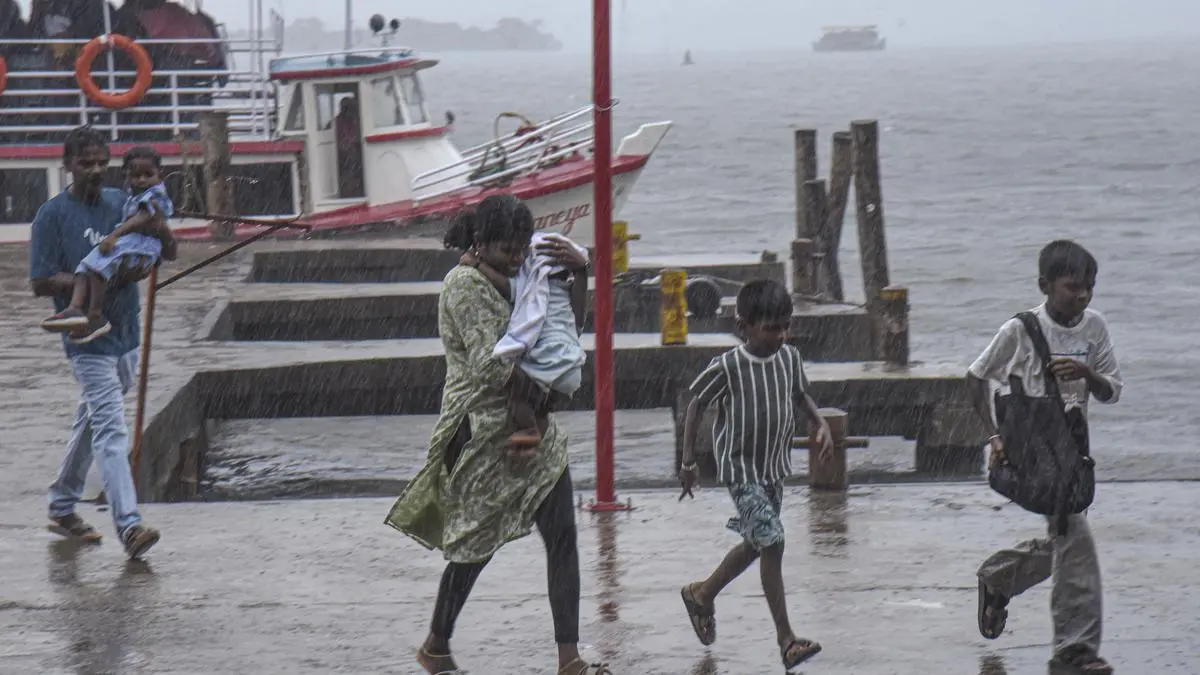
IMD orange alert for three Kerala districts signals heavy rain June 2–5; rubber harvest, hydropower output, and kharif sowing face sector-specific risks. Monsoon arrival forecast for June 4.
The India Meteorological Department placed three northern Kerala districts under an orange alert for Tuesday and expects the southwest monsoon to arrive in the state by June 4. The alert warns of very heavy rainfall between 11 cm and 20 cm in Malappuram, Kozhikode, and Wayanad, while the remaining 11 districts sit on a yellow alert for heavy rainfall between 6 cm and 11 cm. By Friday, seven districts will be under orange alert, with others on yellow. This is not a routine weather briefing. For traders tracking commodity and infrastructure exposures, the concentration of heavy rain over consecutive days creates a distinct set of risk and opportunity patterns.
The three northern districts under the initial orange alert produce a meaningful share of Kerala’s natural rubber and CTC tea. Rubber tapping stops when rain exceeds 10 cm in a day; tea plucking halts when leaves stay wet for more than six hours. If the forecast pans out, estates in Wayanad and Kozhikode could lose three to five days of harvest. The Rubber Board of India tracks daily arrivals at processing centers; a sustained drop above 15 percent typically pushes spot prices higher. The same dynamic holds for pepper and cardamom from the Idukki region, though those districts move to orange alert later in the week. The key variable is whether roads connecting estates to factories remain passable. NH 66 passes through Kozhikode and Kannur; any landslide or waterlogging on that corridor will delay raw material flow for processors across the state.
Kerala’s hydroelectric projects, concentrated in the Idukki and Palakkad districts, typically benefit from early monsoon recharge. The Kerala State Electricity Board manages a network of dams that must balance reservoir filling with downstream flood safety. A single orange-alert event is manageable. Three consecutive days of 15 cm or more in the catchment areas, however, forces the board to release water from Idukki Dam and Sholayar Dam. That release can flood low-lying towns and damage intake structures, forcing temporary generation curtailments. For infrastructure companies with active contracts in the region – particularly those working on the NH 66 widening project or Kerala Water Authority pipelines – the alert period introduces execution delays. Earthmoving and concreting stop during heavy rain; project timelines may slip into the next quarter. Traders should watch for contract-margin updates from mid-cap EPC firms with Kerala exposure.
The IMD’s forecast that the southwest monsoon will arrive in Kerala by June 4 is within the normal onset window. What matters for broader agricultural commodity markets is the intensity and persistence of that initial burst. A strong start in Kerala correlates with above-normal rainfall along the west coast and in central India during June. That supports kharif sowing of sugar, cotton, and soybean in Maharashtra and Madhya Pradesh. Conversely, if the orange alerts expand into a fourth day or shift south to Idukki and Pathanamthitta, the probability of flood-related production halts rises for rubber and tea, with potential spot price pass-through. The next concrete catalyst is the IMD’s weekly monsoon update on June 6. If the rainfall pattern normalizes after the orange period, the event becomes a seasonal pattern with no lasting market impact. If the alerts persist, traders should factor in supply-led price moves in rubber and tea, and watch the IMD long-range forecast due in mid-June for the full-season outlook.
For related market analysis, see our coverage of profit-taking pulls oil lower after Tuesday's rally fades and Costco's protein sales surge as whey shortage looms.
Prepared with AlphaScala research tooling and grounded in primary market data: live prices, fundamentals, SEC filings, hedge-fund holdings, and insider activity. Each story is checked against AlphaScala publishing rules before release. Educational coverage, not personalized advice.