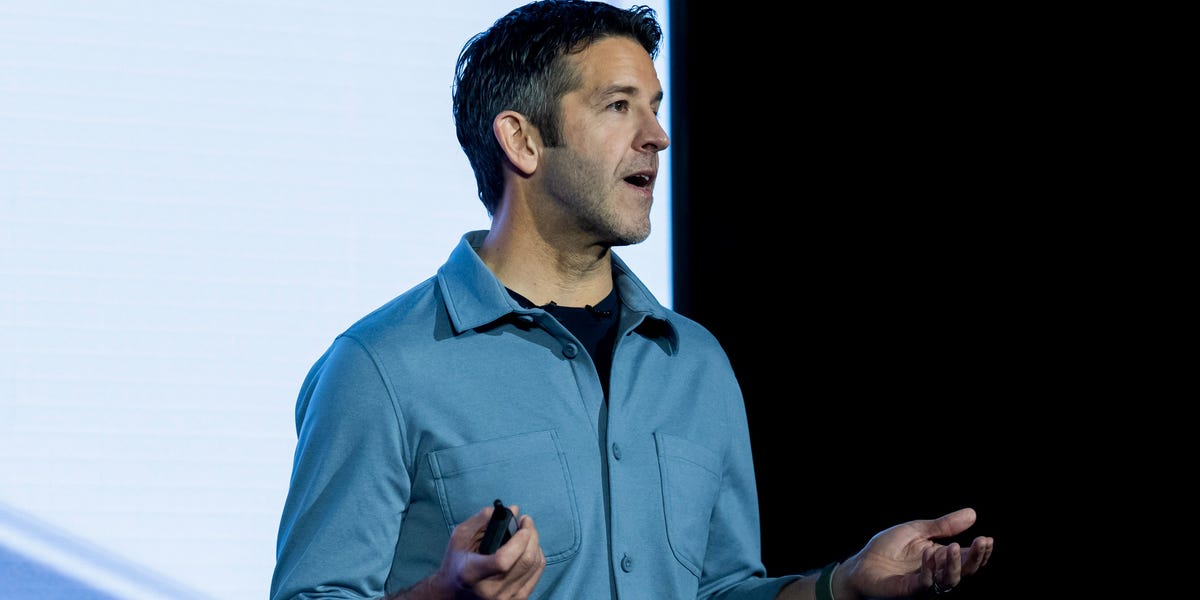
The transition of leadership at Apple Inc. marks a definitive shift in the company's operational narrative. John Ternus, currently the head of hardware engineering, is set to succeed Tim Cook, inheriting a corporate structure that is balancing legacy hardware dominance with the urgent requirement to scale artificial intelligence capabilities. This leadership change occurs as the company faces intensified scrutiny regarding its ability to maintain market leadership in an increasingly crowded technology landscape.
Hardware Engineering and the AI Integration Mandate
Ternus assumes the chief executive role with a background deeply rooted in Apple's hardware development cycle. His tenure has been defined by the oversight of core product lines, including the iPhone, iPad, and Mac. The primary challenge for the incoming leadership is the integration of proprietary AI models into these physical devices without compromising the privacy-centric brand identity that has historically served as a primary differentiator. Investors are evaluating whether the current hardware-first approach can effectively support the computational demands of future software iterations.
This transition forces a re-evaluation of how Apple allocates its research and development budget. The company must decide whether to prioritize internal silicon advancements or shift focus toward software-as-a-service models that rely on cloud-based AI infrastructure. The success of this pivot will likely dictate the company's trajectory in the consumer electronics sector over the next decade.
Market Positioning and Valuation Pressures
Apple currently navigates a complex environment where hardware refresh cycles are lengthening and consumer demand for incremental upgrades is plateauing. The market is looking for evidence that the company can extract higher margins from its existing user base through services and AI-enhanced features. As of the latest assessment, AAPL stock page holds an Alpha Score of 59/100, reflecting a moderate outlook as the company trades at $266.17 following a 2.52% decline today. This valuation reflects the tension between the company's cash-generating power and the uncertainty surrounding its next major product category.
Beyond the immediate leadership change, the broader technology sector is undergoing a period of consolidation. Other firms in the healthcare and consumer cyclical spaces, such as those tracked on the A stock page or the AS stock page, are also grappling with similar pressures to integrate automation into their core business models. Apple's ability to navigate this transition will serve as a bellwether for the wider stock market analysis regarding the sustainability of current tech valuations.
The next concrete marker for the company will be the first quarterly earnings call conducted under the new leadership structure. This event will provide the first substantive look at whether the strategic priorities of the hardware division will remain the primary driver of capital allocation or if a new, software-heavy mandate will emerge to address the competitive gap in generative AI. Stakeholders will be looking for specific guidance on how the company plans to monetize its recent AI investments while maintaining its historical hardware margins.