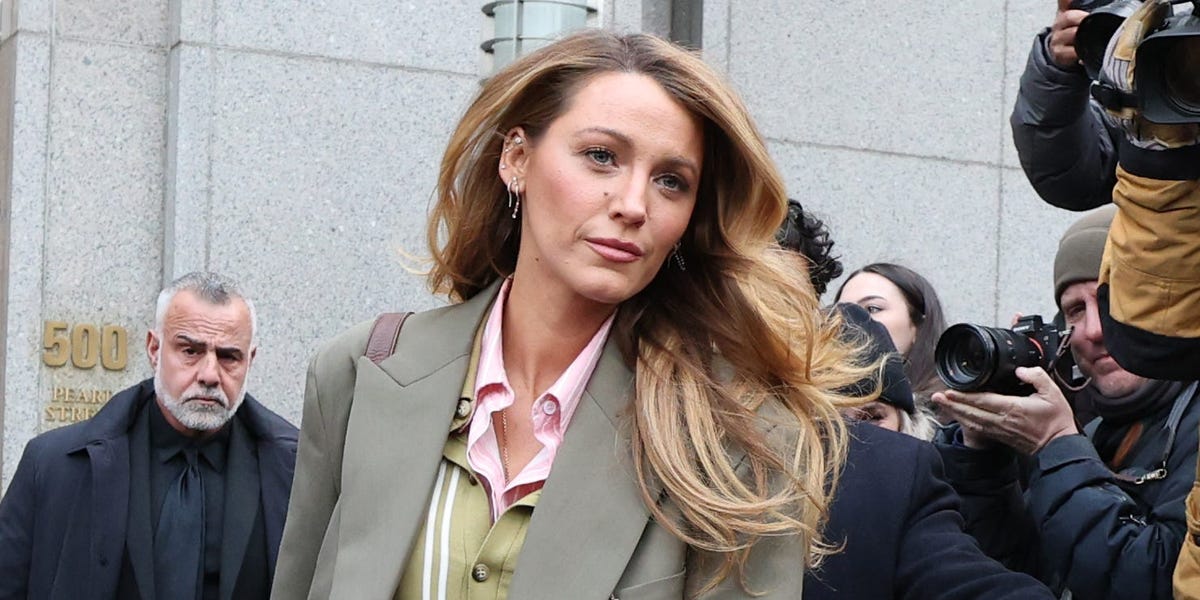
The legal dispute between Blake Lively and Justin Baldoni has settled two weeks before trial, ending the risk of public testimony and potential brand erosion.
The high-profile legal dispute between actors Blake Lively and Justin Baldoni has concluded with a settlement agreement, effectively canceling the trial that was scheduled to begin in two weeks. The litigation, which centered on creative and professional disagreements stemming from the production of the film It Ends With Us, had become a focal point for industry observers tracking the intersection of creative control and contractual obligations in major studio projects.
The settlement brings a definitive end to the public conflict that had surrounded the film's release and subsequent promotional cycle. For those analyzing the entertainment sector, the primary concern had been the potential for protracted discovery processes to expose internal studio dynamics or further complicate future project financing. By settling before the trial date, both parties have successfully mitigated the risk of public testimony that could have had lasting impacts on their respective professional reputations and future marketability in major studio productions.
While the specific financial terms of the settlement remain private, the removal of the trial from the court calendar eliminates the immediate threat of a public verdict. In the context of stock market analysis, this type of resolution is often viewed as a positive for the associated production entities, as it prevents the uncertainty of a court-mandated outcome and allows for a return to standard operational focus. The resolution effectively caps the potential for negative press cycles that often accompany high-stakes litigation in the media and entertainment space.
Beyond the immediate legal resolution, the settlement serves as a mechanism for both Lively and Baldoni to pivot toward future endeavors without the overhang of active litigation. The dispute had previously created a narrative of instability around the film's production, which can often lead to increased scrutiny from investors and stakeholders regarding the management of creative assets. With the legal hurdle cleared, the focus shifts back to the performance of the intellectual property and the ability of the involved parties to secure future partnerships.
Market participants should note that the resolution of such disputes often leads to a stabilization of the brand equity associated with the actors involved. When litigation is resolved early, the risk of long-term brand erosion is significantly reduced, allowing for a more predictable trajectory for future film projects. The absence of a trial means there will be no public record of the specific grievances that led to the suit, which serves to protect the long-term commercial viability of the actors' future work. The next decision point for observers will be the resumption of normal promotional activities and the announcement of new production contracts, which will serve as the true test of whether this legal resolution has fully restored the professional standing of both parties in the eyes of studio executives and financiers.
AI-drafted from named sources and checked against AlphaScala publishing rules before release. Direct quotes must match source text, low-information tables are removed, and thinner or higher-risk stories can be held for manual review.