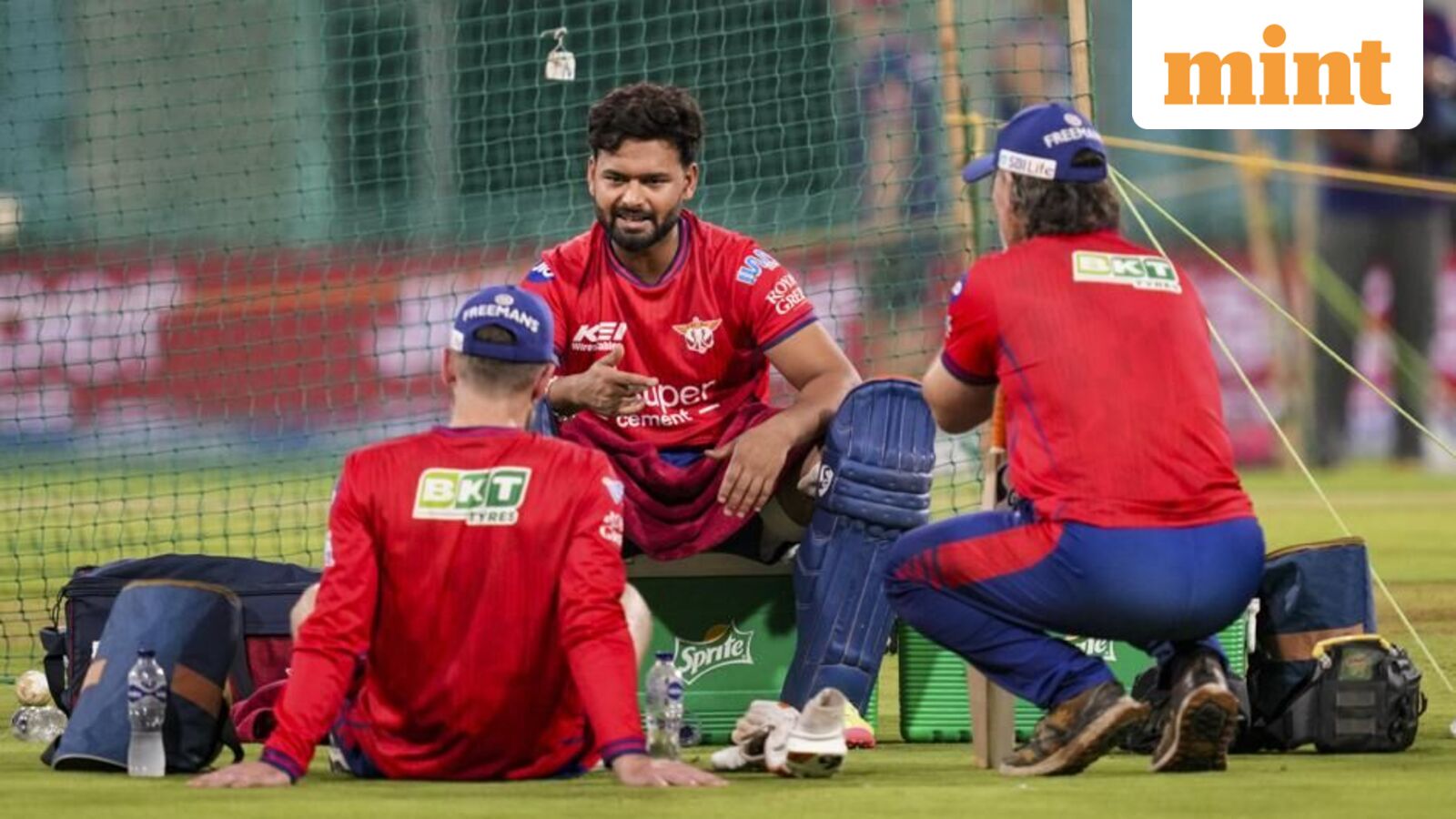
The intersection of generative artificial intelligence and sports wagering has reached a new inflection point with the upcoming Indian Premier League match between the Rajasthan Royals and the Lucknow Super Giants. As predictive models increasingly influence fan engagement and betting sentiment, the reliance on large language models to forecast individual player performance, such as the comparative output of Rishabh Pant and Riyan Parag, highlights a shift in how retail participants approach high-volatility events.
Algorithmic Influence on Betting Sentiment
The use of AI to parse historical performance data and situational variables changes the narrative surrounding team matchups. While traditional sports analysis relies on expert intuition and statistical averages, the integration of LLMs introduces a layer of probabilistic modeling that can sway public perception ahead of the first ball. This trend is particularly relevant for sectors where consumer behavior is driven by rapid sentiment shifts, similar to the volatility observed in broader stock market analysis.
When models are tasked with predicting outcomes for specific player duels, they often aggregate vast datasets that human analysts might overlook. However, the reliance on these outputs carries inherent risks, as the models are limited by the quality of the training data and the inability to account for real-time environmental factors, such as pitch conditions or sudden injury reports. The current focus on these digital predictions underscores a broader trend where technology platforms are increasingly utilized to quantify uncertainty in both sports and financial markets.
Sector Read-Through and Market Linkages
Beyond the immediate outcome of the match, the deployment of AI for predictive sports modeling mirrors the adoption of automated decision-making tools in other industries. For instance, companies like ON Semiconductor Corporation continue to see mixed performance as they navigate the integration of AI-driven supply chain management, while firms like Match Group Inc. leverage similar algorithmic frameworks to optimize user engagement. The AlphaScala data for these entities reflects the varying degrees of success in applying these technologies, with ON holding an Alpha Score of 45/100 and MTCH maintaining a 68/100.
- AI models aggregate historical performance metrics for players like Rishabh Pant and Riyan Parag.
- Public sentiment is increasingly influenced by algorithmic forecasts before match commencement.
- The trend highlights a broader shift toward automated predictive tools in consumer-facing sectors.
As the IPL season progresses, the next concrete marker for this narrative will be the correlation between AI-driven betting volume and actual match results. If these models demonstrate consistent accuracy, the demand for sophisticated, sport-specific predictive tools will likely accelerate, further embedding AI into the fabric of the sports entertainment economy. Investors should monitor how these predictive platforms scale their operations and whether they can maintain predictive reliability as the league moves into the high-stakes playoff stages.