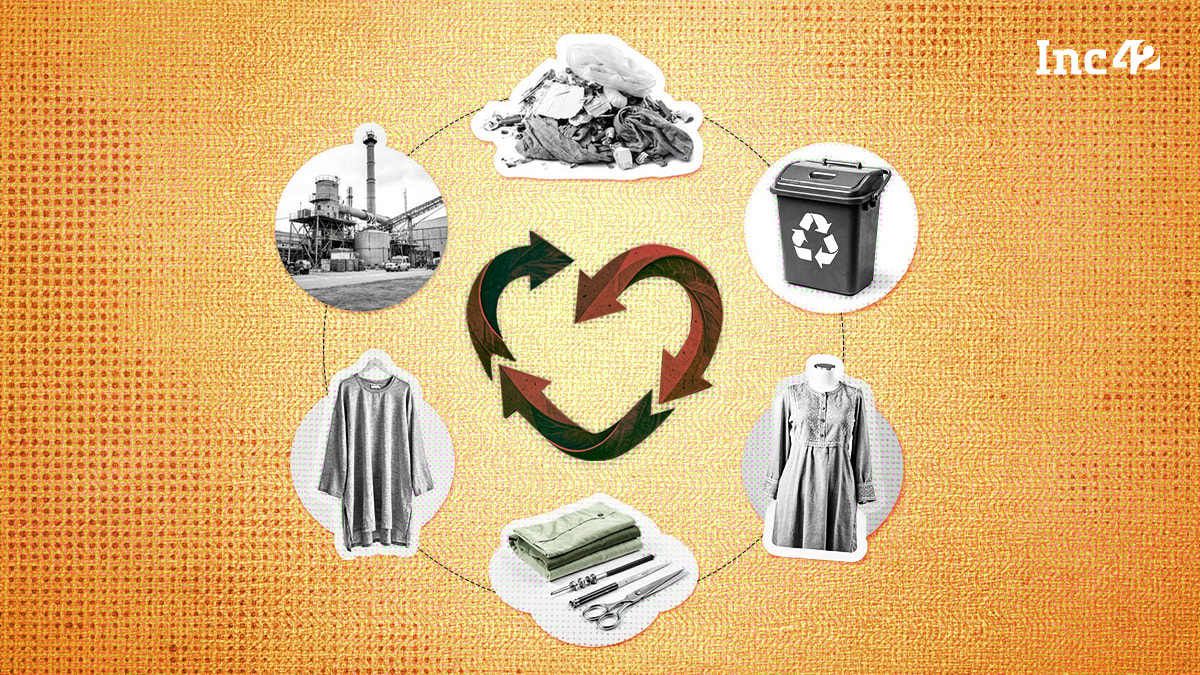
The emergence of thrift and resale platforms within India’s direct-to-consumer sector marks a structural shift in how domestic retailers manage inventory lifecycles. While consumer interest in pre-owned goods is rising, the industry currently lacks the infrastructure to transition from experimental pilot programs to profitable, high-volume operations. This fragmentation creates a disconnect between the growing demand for sustainable consumption and the operational reality of managing reverse logistics at scale.
Operational Constraints in Reverse Logistics
The primary barrier to profitability for Indian circular fashion brands is the complexity of the reverse supply chain. Unlike traditional retail models that focus on forward distribution, circularity requires specialized capabilities in authentication, refurbishment, and inventory management for non-standardized goods. Most D2C brands currently treat resale as a marketing initiative rather than a core revenue stream. This approach prevents the realization of economies of scale, as the cost of processing individual items often outweighs the margins generated from secondary sales.
Brands attempting to integrate these services must navigate several distinct operational challenges:
- High labor costs associated with manual quality assessment and garment repair.
- Inconsistent supply quality that complicates pricing strategies and inventory turnover.
- Technology gaps in tracking the lifecycle of individual garments from initial sale to secondary resale.
Valuation and Market Integration
Investors are increasingly scrutinizing how these circular initiatives impact long-term brand equity and customer retention. While resale programs can foster brand loyalty by keeping customers within a specific ecosystem, they also risk cannibalizing primary sales if not carefully managed. The current valuation of these ventures remains speculative, as few companies have demonstrated a clear path toward margin expansion through secondary markets. For stock market analysis purposes, the focus remains on whether these brands can lower their customer acquisition costs by leveraging the community-building aspects of circular fashion.
Strategic success in this space will likely depend on the ability of brands to partner with third-party logistics providers that specialize in circularity. By offloading the technical burden of refurbishment and logistics, D2C players may be able to focus on the consumer-facing aspects of the resale experience. However, the lack of a standardized secondary market infrastructure in India means that brands are currently forced to build these capabilities in-house, which suppresses short-term profitability.
The Path to Institutional Maturity
The next phase of development for India’s circular fashion sector will be defined by the transition from niche, brand-specific resale portals to broader, integrated marketplaces. As brands look to optimize their Apple (AAPL) profile style of ecosystem control, the integration of resale data into overall inventory management will become a critical marker of maturity. Investors should monitor upcoming quarterly reports for specific disclosures regarding the contribution of resale revenue to total gross merchandise value. The ability of these companies to provide transparent metrics on the unit economics of their circular programs will determine whether this trend remains a boutique experiment or evolves into a significant component of the retail landscape.