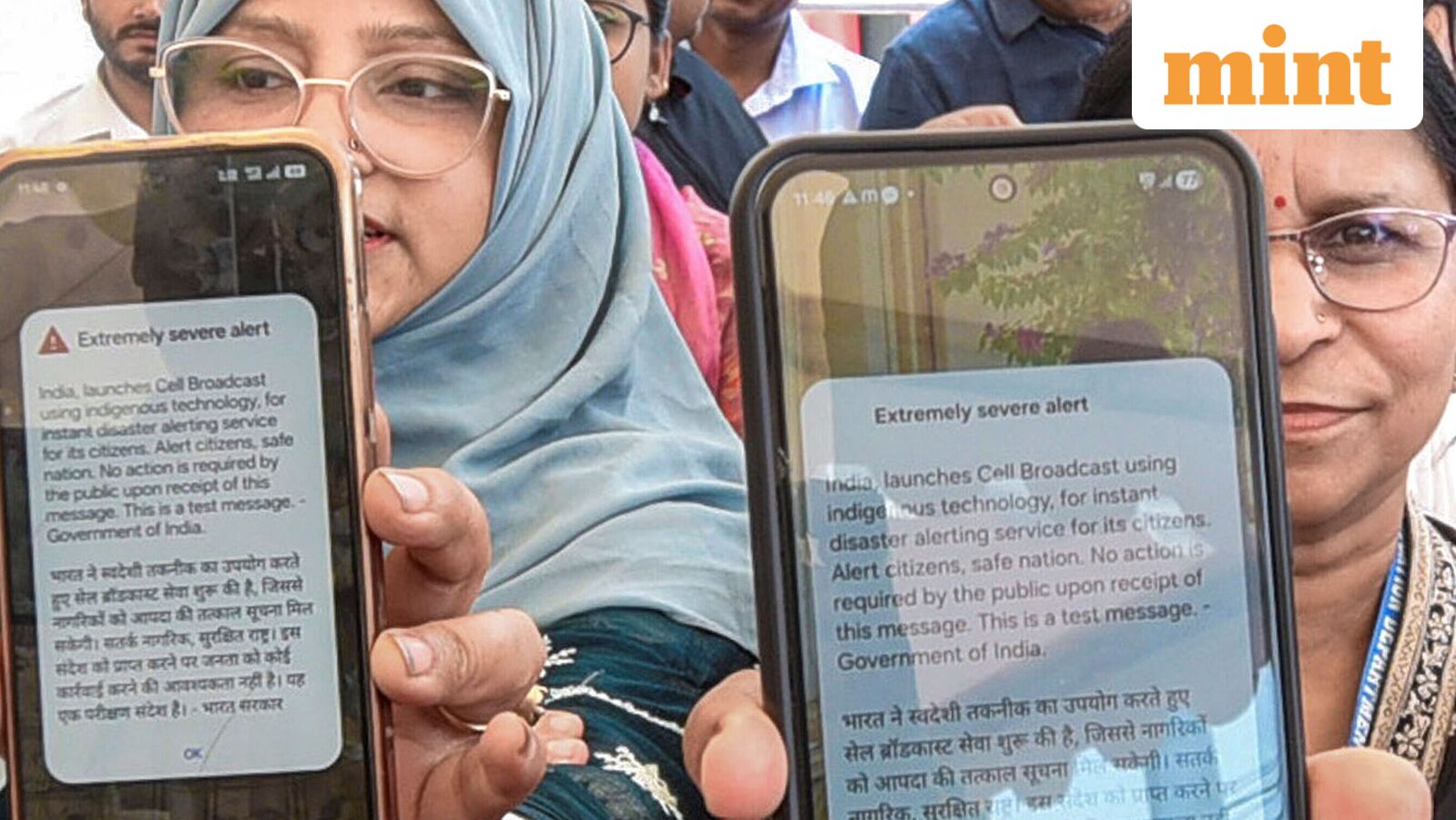
A Delhi High Court case challenging the ₹99.82 crore C-DOT cell broadcast contract heads to a May 2026 hearing, testing India's public procurement rules.
The recent nationwide deployment of emergency cell broadcast alerts in India has brought a long-standing legal dispute over government procurement practices into the public eye. At the center of the conflict is a petition filed by Germany-based Utimaco Technologies, which challenges the Indian government's decision to appoint the Centre for Development of Telematics (C-DOT) as the sole implementation agency for the country’s disaster alert network. The case, which has been pending before the Delhi High Court since 2024, is scheduled for its next hearing on 11 May 2026.
Utimaco, the parent company of Israel-based emergency alert provider Celltick, alleges that the government’s decision to bypass an open tender process for the cell broadcast project violates the General Financial Rules (GFR) of 2017. These rules generally mandate that public procurement should be conducted through competitive bidding to ensure transparency and fair market participation. Utimaco’s petition argues that the appointment of C-DOT on a nomination basis is arbitrary and lacks a legitimate track record for this specific technology.
The firm claims it invested significant resources into testing its solutions over a three-year period, receiving positive feedback from the National Disaster Management Authority (NDMA) during the demonstration phase. According to Ronen Daniel, head of warning solutions at Utimaco, the company was initially engaged in good faith, only to be sidelined when the Department of Telecommunications (DoT) mandated that all telecom service providers (TSPs) utilize C-DOT technology exclusively. Utimaco is seeking a court declaration that the government's decision is illegal and wants its earlier role in the project restored.
In its court filings dated 21 March 2025, the government defended the selection of C-DOT as a strategic policy decision rather than a procurement oversight. The DoT and supporting agencies argued that the move was necessary to avoid the operational risks associated with vendor fragmentation. By centralizing the implementation under a single entity, the government aims to ensure seamless integration with the national disaster alert portal, known as SACHET, and the Cell Broadcast Entity (CBE).
The government filing explicitly rejected Utimaco’s claims of an imminent contract, labeling them as speculative. Furthermore, officials have cited national security implications and the need for an indigenous solution as primary drivers for the nomination-based selection. This justification has been met with skepticism by Utimaco, which contends that national security was not cited in initial meetings and only surfaced as a legal defense after the litigation commenced.
The project, which carries an approved cost of ₹99.82 crore, has faced significant scrutiny regarding its timeline and technical viability. Initial deadlines for the rollout were set for 1 November 2023, but the transition to a single-vendor model reportedly introduced delays of 12 to 18 months. Utimaco has argued that its own pricing proposals, which were previously reviewed by an inter-departmental panel in 2023, were more competitive than the current C-DOT project costs.
Technical friction remains a point of contention. While the government emphasizes the reliability of a unified system, the NDMA had previously raised concerns regarding the technical performance of C-DOT’s solutions. The following table summarizes the initial trial landscape before the government consolidated the project under C-DOT:
For participants monitoring the Indian telecom infrastructure space, the outcome of the 11 May 2026 hearing serves as a critical marker for future public-private partnerships. The case highlights the tension between the government’s push for indigenous technology and the demands of international vendors for transparent, competitive bidding processes. If the court finds merit in Utimaco’s claims regarding the violation of GFR 2017, it could force a re-evaluation of how large-scale digital infrastructure projects are awarded in India.
Conversely, a ruling in favor of the government would likely solidify the "indigenous-first" policy, potentially limiting the entry of foreign technology firms into government-backed disaster management and critical communication projects. Investors should note that the government’s emphasis on avoiding "fragmentation" suggests a long-term preference for centralized, state-controlled tech stacks in sensitive sectors. The resolution of this case will determine whether Utimaco can re-enter the project or if the current C-DOT implementation will proceed without further legal interference. For broader context on how regulatory shifts impact the stock market analysis, understanding the intersection of policy and infrastructure spending remains essential.
AI-drafted from named sources and checked against AlphaScala publishing rules before release. Direct quotes must match source text, low-information tables are removed, and thinner or higher-risk stories can be held for manual review.