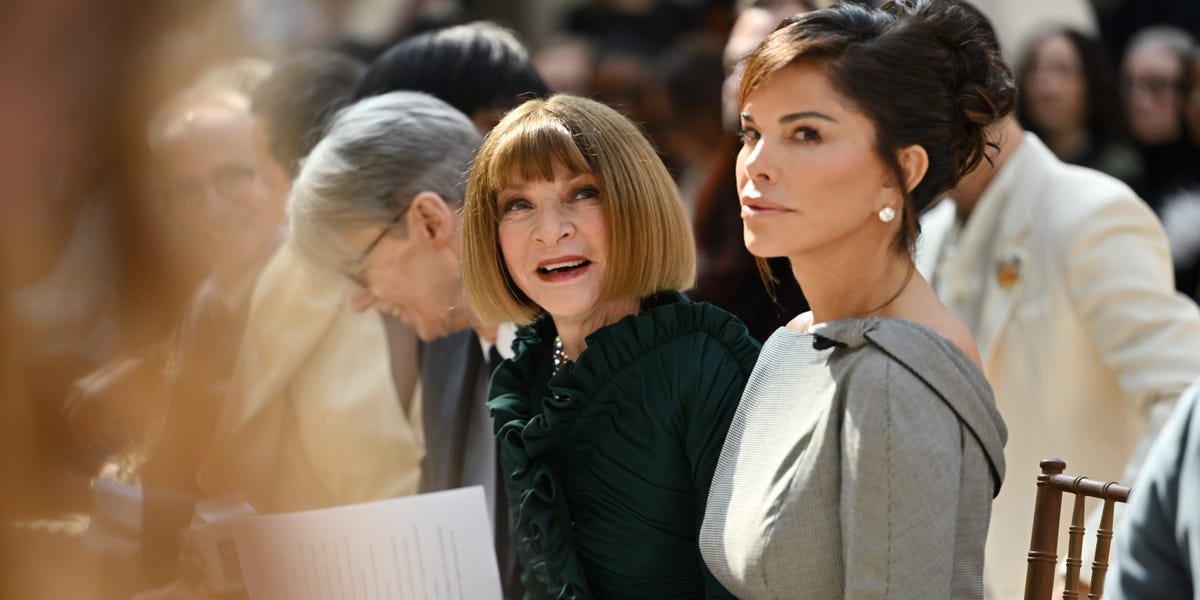
The Met Gala has shifted from a display of pure opulence to a stage for public dissent, as protesters and fashion insiders recently directed targeted criticism toward Jeff Bezos and Lauren Sánchez Bezos. This development signals a growing friction between high-profile wealth and broader social sentiment, manifesting in physical protests and visual displays near the event venue. The use of projections onto high-value real estate to broadcast anti-billionaire messaging marks a departure from traditional red-carpet coverage, turning the event into a focal point for wealth-gap discourse.
For market observers, this trend is less about the fashion choices and more about the increasing visibility of social risk for ultra-high-net-worth individuals and the corporations they lead. When public sentiment turns explicitly against specific figures, the risk profile for their associated business interests often shifts. This is particularly relevant for companies where the founder’s personal brand is inextricably linked to the corporate identity. As public scrutiny intensifies, the potential for reputational contagion increases, which can influence consumer sentiment and regulatory attention over time.
MetLife Inc. (MET) currently holds an Alpha Score of 59/100, placing it in the moderate category within the Financials sector. While the insurance giant operates in a different sphere than the retail and tech empires associated with the individuals targeted at the gala, the broader environment of heightened scrutiny toward large-scale capital and corporate leadership remains a relevant factor for institutional positioning. Investors tracking MET stock page should consider how shifts in public perception regarding wealth concentration might influence future policy discussions or tax environments that impact large financial institutions.
This trend creates a specific decision point for those monitoring the intersection of social sentiment and equity performance. The primary risk is not that a protest at a gala impacts a balance sheet overnight, but that the normalization of anti-billionaire rhetoric lowers the threshold for populist policy interventions. When public displays of dissent become a standard feature of high-profile events, the narrative surrounding wealth accumulation becomes more volatile. The next concrete marker for this trend will be whether these protests remain confined to symbolic gestures or if they begin to influence the legislative agenda or consumer behavior toward the brands led by these high-profile figures. Investors should look for signs that this sentiment is moving beyond the red carpet and into the broader stock market analysis regarding corporate governance and executive compensation structures.