Stocks● Neutral
India's BRICS Chairship Sets Stage for Trade and Rupee Shifts
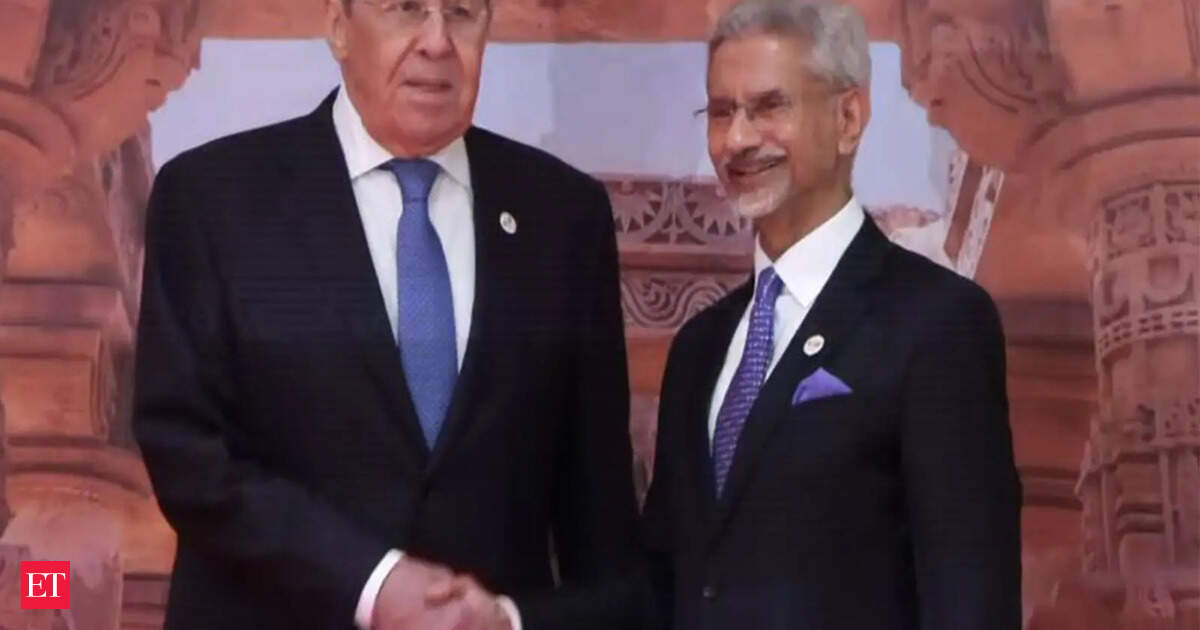
The New Delhi meeting of BRICS foreign ministers kicks off a year-long chairship that could accelerate rupee-based trade and reduce barriers for Indian exporters. The next signal is the leaders' summit.
Continue with
External Affairs Minister S. Jaishankar welcomed Russian Foreign Minister Sergey Lavrov and other delegates in New Delhi for the BRICS Foreign Ministers' meeting, a gathering that marks the first major diplomatic event under India's 2026 chairship of the bloc. The meeting, which included representatives from member and observer nations, addressed global and regional issues. India assumed the chairship on January 1, giving New Delhi the agenda-setting pen for a group that accounts for a large share of global GDP and energy demand.
The immediate market response was a non-event. Indian equity indices held steady, and the rupee traded within its recent range. That surface calm understates the structural shifts that a year-long chairship can set in motion when a large emerging economy uses the platform to advance trade corridors, energy settlement, and financial architecture. Each of those threads carries direct implications for specific Indian equity sectors.
India's 2026 Chairship and the Export Sector Read-Through
India's trade relationships with BRICS members span IT services, pharmaceuticals, and refined petroleum products. A chairship that prioritizes tariff coordination or mutual recognition of standards would lower friction for Indian exporters. The simple read treats any BRICS communiqué as diplomatic theater. The better market read recognizes that India's commerce ministry has been working on rupee-based invoicing arrangements with several BRICS members, and the chairship provides a platform to accelerate those bilateral deals into a multilateral framework.
For equity traders, the sectors with the most direct exposure are IT services and pharmaceuticals, where Indian companies already derive a material share of revenue from BRICS markets. A reduction in non-tariff barriers or a streamlined customs protocol would compress the cost base for mid-cap exporters that have struggled with margin pressure. The meeting itself produced no trade announcement. The chairship calendar runs through December, however, and the next senior officials' meeting on trade is the logical venue for a concrete deliverable.