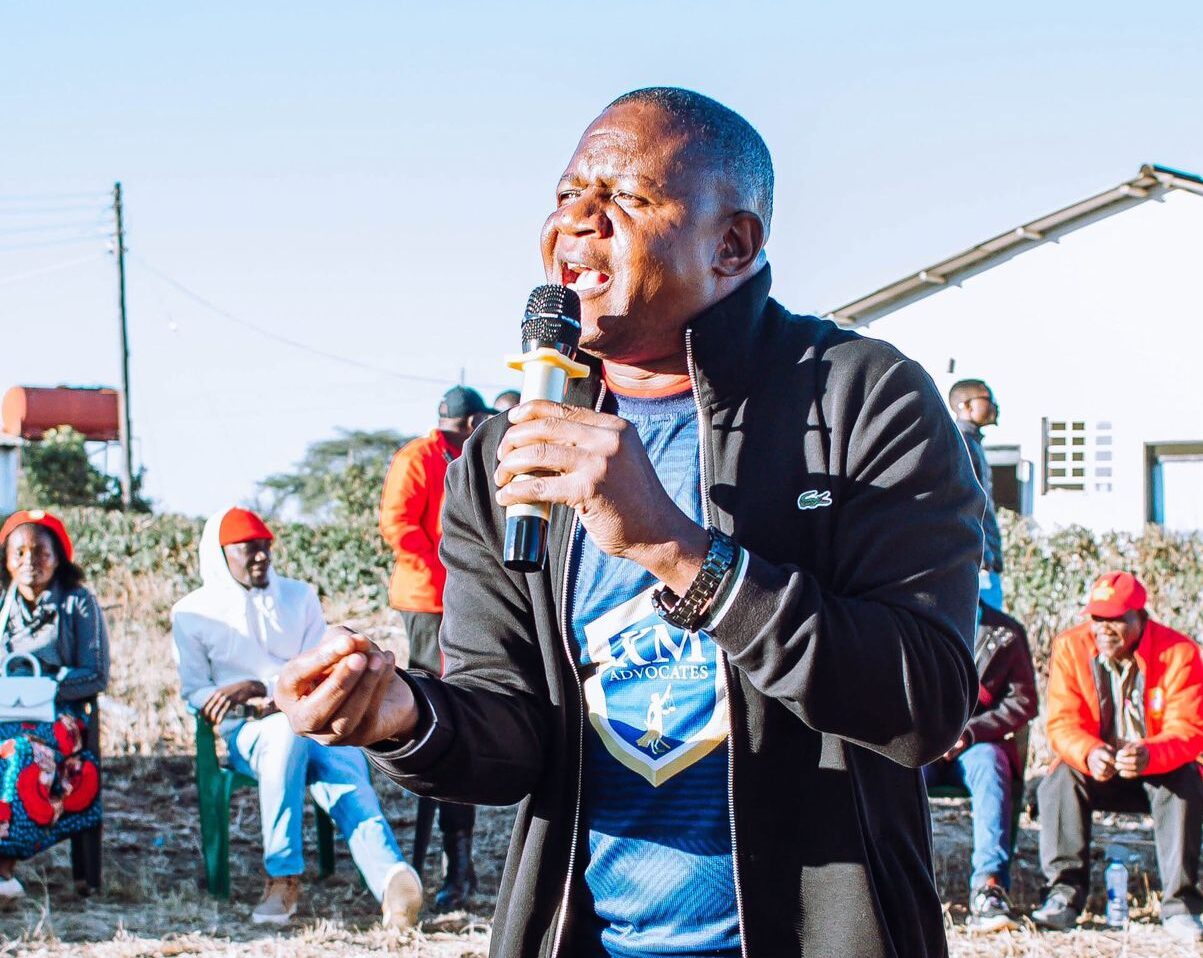
A verbal jab from a ruling-party lawmaker in Zambia did nothing to alter the trajectory of the country's financial assets. Elvis Nkandu, a member of parliament for the governing UPND, said opposition figure Brian Mundubile could only defeat President Hakainde Hichilema in his dreams. The comment, reported by local outlet News Diggers, landed in a market that has long since tuned out political theater in favor of the hard numbers coming from debt restructuring talks.
For anyone scanning headlines for a tradeable catalyst, this was a non-event. The Zambian kwacha showed no meaningful reaction. Dollar-denominated Eurobonds were steady, with no fresh bids or offers driven by the exchange. The statement did not introduce a new policy risk, a shift in the electoral timeline, or any change to the fiscal outlook. It was noise, and the market treated it as such.
The Non-Event in Lusaka
The surface read is simple: a politician dismissed a rival. The better market read is that Zambian assets have decoupled from day-to-day political rhetoric. The country defaulted on its external debt in 2020 and has been locked in a protracted restructuring process under the G20 Common Framework. That process, not who insults whom in parliament, is what moves bond prices and the currency.
Liquidity in Zambian Eurobonds is thin, and the marginal buyer is a distressed-debt fund that models recovery values based on IMF programme compliance, copper prices, and fiscal consolidation. A dream-related taunt does not appear in any of those spreadsheets. The kwacha, meanwhile, is driven by copper export revenues, central bank reserve management, and the pace of debt-relief negotiations. Political noise that does not threaten the IMF deal or the administration's reform agenda is simply ignored.
Zambia's Real Market Driver: Debt Restructuring
The only catalyst that matters for Zambian assets right now is the conclusion of the debt rework. The government reached a deal with official creditors in 2023 and is now focused on commercial creditors. An IMF programme remains the anchor, with reviews that unlock disbursements and signal to bondholders what recovery might look like. Any headline that does not touch that framework is unlikely to generate a sustained move.
- The kwacha has been rangebound, with intervention from the Bank of Zambia smoothing volatility.
- Eurobonds due 2022, 2024, and 2027 trade at deeply distressed levels, with prices reflecting a recovery value that hinges on the restructuring terms.
- Copper prices, the country's main export, provide a secondary pulse. The debt overhang, however, dominates.
When Rhetoric Becomes a Catalyst
For a political statement to become a market-moving event in Zambia, it would need to signal a concrete threat to the reform programme. A credible challenge to President Hichilema's leadership that raises the probability of policy reversal could widen bond spreads. A breakdown in the ruling coalition that delays budget implementation could weaken the kwacha. A statement from the opposition that it would reject the IMF deal if elected would matter, provided the election were imminent and the opposition had a plausible path to victory.
None of those conditions are present. The next general election is not until 2026. The opposition is fragmented. The IMF programme has broad institutional support. The debt restructuring is advancing, albeit slowly. The taunt from Nkandu is a reminder that political noise exists, not a signal.
For traders tracking Zambian risk, the watchpoints remain the same, as we've noted in our stock market analysis: the next IMF review, any announcement on commercial creditor terms, and copper price trends. A dream-based electoral forecast does not make the list.