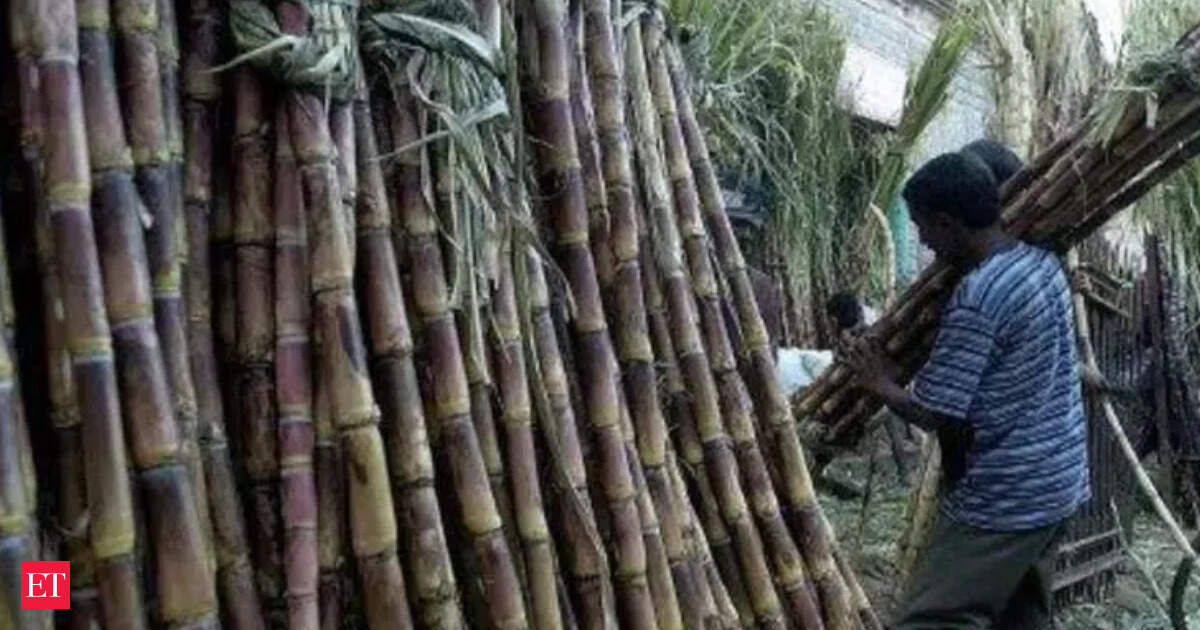
IPL and UPL aim to lift cane yields on 2,000 acres near Kodinar mill through regenerative farming and digital agronomy, with first harvest expected in 2025-26.
Indian Potash Ltd has partnered with UPL Ltd to improve sugarcane yields on 2,000 acres near its Kodinar mill in Gujarat, the companies said. The three-year collaboration will introduce regenerative farming practices and digital agronomy tools to raise output per acre for cane growers supplying the mill.
UPL will deploy its advanTEC digital platform, using sensors and satellite imagery to monitor soil health and irrigation needs. IPL, a state-backed fertilizer distributor, runs the Kodinar mill as part of its diversification into sugar processing. The partnership targets a direct link between mill and farm: higher yields per acre mean more cane for crushing and better income for growers.
Sugarcane yields in Gujarat have trailed those in Uttar Pradesh and Maharashtra, partly due to smaller plot sizes and water stress in the Saurashtra region. The initiative aims to lift productivity through field-level interventions rather than new cane varieties. IPL and UPL did not disclose yield targets or investment details.
India is the world's second-largest sugar producer and the biggest consumer. Domestic prices have faced pressure from bumper harvests and a slow ethanol drawdown. The government's ethanol blending target, 20% by 2025, creates demand for cane-based ethanol. Higher yields per acre could help meet that demand without expanding cane acreage, easing pressure on water and food crops.
For IPL, the Kodinar mill is a strategic asset. The company entered sugar milling in 2017 to diversify beyond fertilizer distribution and secure captive demand for its potassium and phosphorus products. Higher cane throughput would strengthen the mill's operating margin by spreading fixed costs over more tonnes crushed. It would also give IPL more leverage to market ethanol directly to oil marketing companies.
For UPL, the deal expands its crop-solutions business into Gujarat's cane belt, where it competes with local cooperatives and multinational distributors. UPL sees the project as a proof of concept for large-scale cane advisory services, the companies said.
Farmers around Kodinar stand to benefit from lower input costs and better market access if the programme cuts the intermediary chain. IPL procures cane directly from member farmers at state-set prices. Higher yields reduce the land a grower must commit to cane to earn a target income, freeing acres for other crops.
The mill sits in Gujarat's coastal Saurashtra region, where water availability constrains cane cultivation. Improved irrigation scheduling through digital monitoring could address that constraint directly. Regenerative practices include cover cropping and reduced tillage to improve soil structure and water retention.
The first harvest under the partnership is expected in the 2025-26 season, assuming planting begins in the current monsoon cycle. IPL and UPL plan to expand the acreage if initial results meet internal benchmarks, they said.
Prepared with AlphaScala research tooling and grounded in primary market data: live prices, fundamentals, SEC filings, hedge-fund holdings, and insider activity. Each story is checked against AlphaScala publishing rules before release. Educational coverage, not personalized advice.