Commodities● Neutral
E20 Fuel Push: How India's Ethanol Plan Hits Sugar, Auto, Energy
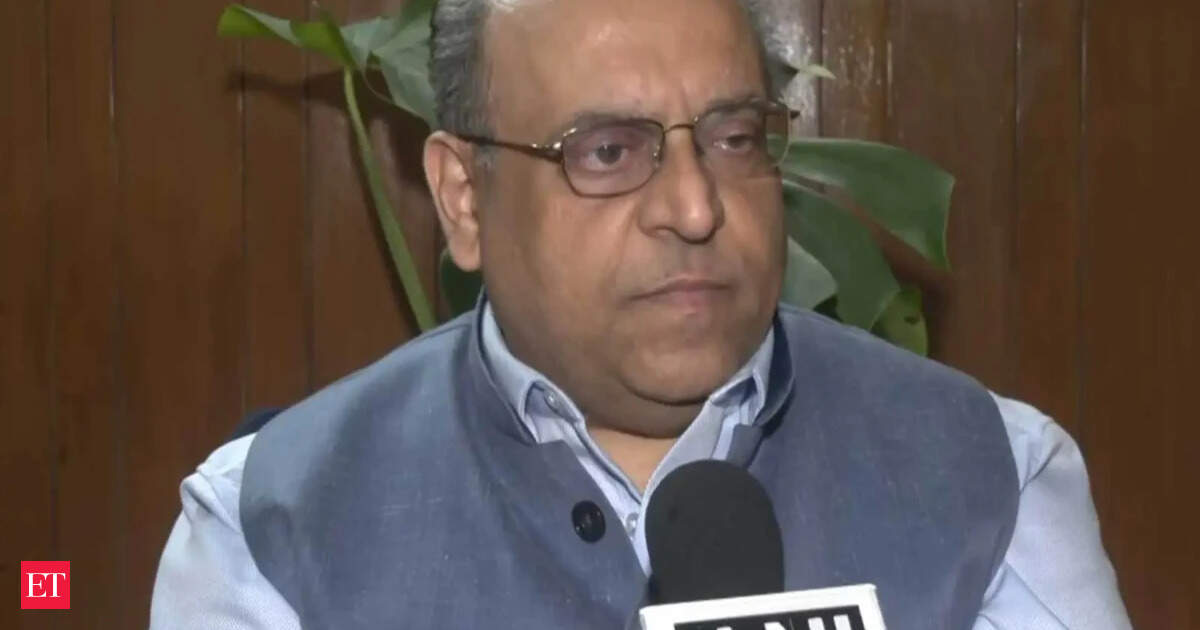
Toyota's Gulati says E20 is safe for all vehicles, saving billions and boosting farmer incomes. The sector readthrough: sugar mills, auto makers, and a lower crude import bill.
Continue with
All vehicles sold in India after April 2023 can run on E20 fuel, a 20% ethanol-petrol blend that the government says cuts crude imports and raises farmer incomes. Vikram Gulati, head of corporate affairs at Toyota Kirloskar Motor, told reporters the program has already saved billions of dollars and boosted incomes for sugarcane growers. He dismissed concerns that the blend damages older engines, calling it safe for the existing fleet.
Gulati pointed to the environmental angle. Ethanol from sugarcane and other biomass is carbon-neutral, he said, which helps India meet its climate targets without requiring a wholesale shift to electric vehicles. The push for E20, he added, is part of a broader strategy to reduce the country's $100-billion-plus annual oil import bill.
The readthrough for the sugar sector is direct. India's ethanol blending program, now at roughly 12% of the petrol pool, has turned sugar mills into fuel suppliers. Higher blending targets mean more cane diverted to ethanol production, which supports sugar prices by reducing surplus. That dynamic has already improved mill economics, analysts said.