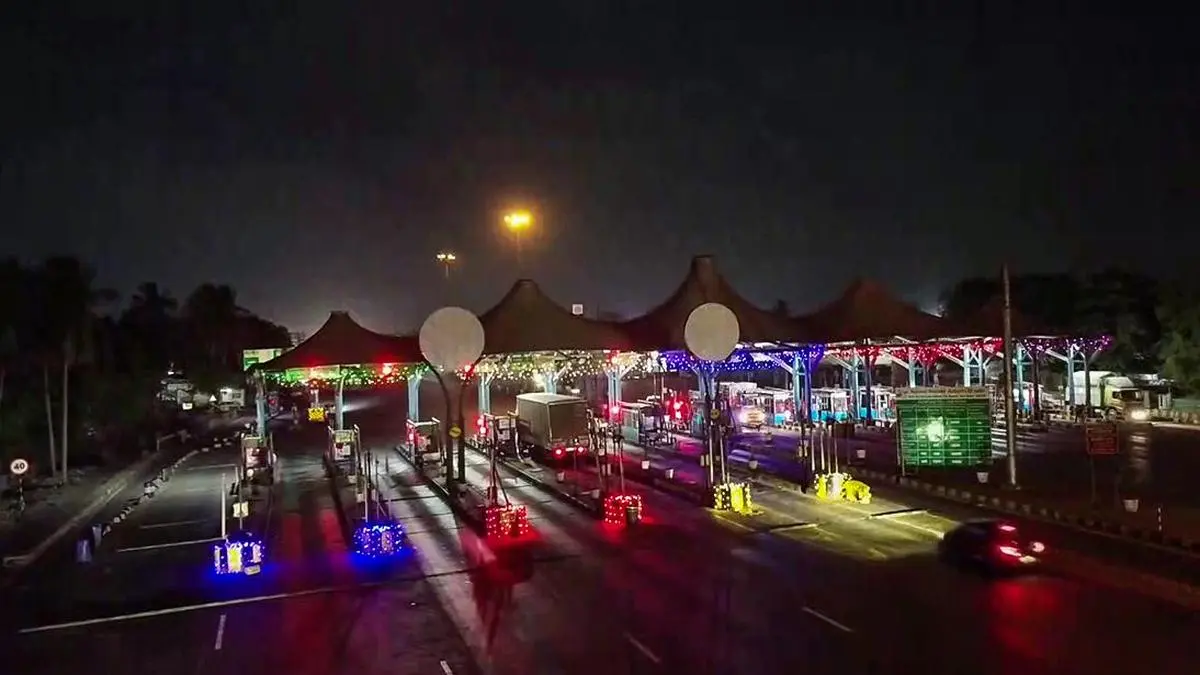
India's new Multi-Lane Free Flow toll system on NH-48 processed 41,500 vehicles on day one, signaling a shift toward automated, barrier-less highway transit.
India has officially transitioned to a Multi-Lane Free Flow (MLFF) tolling system on the NH-48 highway in Gujarat. This infrastructure shift removes physical barriers to allow vehicles to pass through toll points without stopping, aiming to eliminate the bottlenecking that has historically plagued major transit corridors. The project recorded over 41,500 vehicles on its first day of operation, providing a real-world test for the technology under high-volume conditions.
The implementation of MLFF technology represents a departure from traditional toll plazas that require vehicles to decelerate or come to a complete halt. By utilizing overhead gantries equipped with sensors and cameras, the system identifies vehicles and processes payments automatically as they maintain highway speeds. This change is intended to reduce fuel consumption associated with idling and stop-and-go traffic, while simultaneously increasing the throughput capacity of the NH-48 route.
For logistics and transport sectors, the removal of physical toll barriers is expected to lower transit times for commercial freight. The success of this initial deployment serves as a pilot for broader national infrastructure goals, where the Ministry of Road Transport & Highways intends to scale barrier-less technology to other high-traffic national highways. The primary challenge remains the integration of vehicle identification systems across a diverse fleet of commercial and passenger automobiles.
This shift toward automated tolling infrastructure aligns with broader efforts to modernize India's logistics network. Investors monitoring stock market analysis often look to these infrastructure milestones as indicators of long-term efficiency gains in the domestic supply chain. The transition from manual or semi-automated tolling to fully digital, barrier-less systems reduces the overhead costs associated with plaza maintenance and personnel.
As the government evaluates the data from the first 41,500 vehicles, the next concrete marker will be the announcement of a timeline for expanding MLFF to additional corridors. The scalability of this technology will depend on the reliability of the automated payment backend and the ability to enforce compliance across all vehicle classes. Market observers should watch for subsequent government filings regarding the procurement of additional gantry hardware and software upgrades for the national highway network.
AI-drafted from named sources and checked against AlphaScala publishing rules before release. Direct quotes must match source text, low-information tables are removed, and thinner or higher-risk stories can be held for manual review.