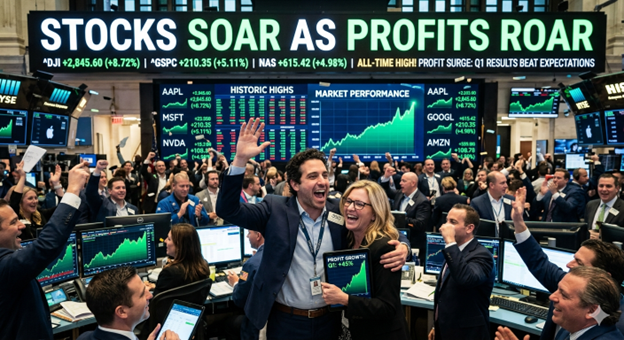
The equity markets shifted into a recovery phase following the announcement of a tenuous ceasefire between the United States and Iran. This development marks the end of a month-long period of active aerial conflict that had previously pressured global risk sentiment and energy supply chains. While the active bombing campaign has ceased, the United States continues to enforce a comprehensive financial blockade against the Iranian regime. This dual reality of a military pause paired with ongoing economic containment creates a complex environment for energy-sensitive sectors.
Impact on Energy and Risk Assets
The immediate market reaction reflects a relief rally as investors unwind geopolitical risk premiums that built up during the height of the hostilities. Energy markets, which had priced in significant supply disruptions, are now recalibrating to the reality of a persistent blockade. The persistence of these financial restrictions suggests that global oil flows will remain constrained even in the absence of direct military engagement. Investors are now shifting focus from immediate conflict headlines to the long-term implications of sustained economic isolation on regional production capacity.
Sector Read-Through and Valuation
The broader market narrative is pivoting toward corporate earnings as the primary driver of price action. With the immediate threat of regional escalation mitigated, the focus returns to the underlying strength of domestic balance sheets. Consumer cyclical firms, such as those tracked on the AS stock page and the HAS stock page, are currently facing varying degrees of margin pressure. The current Alpha Score for Amer Sports, Inc. (AS) sits at 47/100, reflecting a mixed outlook as the company navigates shifting consumer demand patterns in a volatile macro environment.
The Path Forward
The next concrete marker for the market will be the upcoming trade data releases, which will provide the first clear evidence of how the U.S. blockade is affecting international shipping lanes and commodity pricing. Market participants are also monitoring for any signs of diplomatic back-channel negotiations that could signal a softening of the current financial restrictions. Until these data points emerge, the market is likely to remain sensitive to any rhetoric that suggests a breakdown in the current ceasefire. The transition from a military-driven market to one governed by trade policy and earnings performance will define the next phase of the current rally. For a broader view of these trends, investors often turn to stock market analysis to track how sector-specific shifts align with macroeconomic policy changes.