The AI infrastructure buildout extends beyond chips, but timing the physical construction cycle remains the central risk for IDGT as permitting and power constraints loom.
The debate over whether the artificial intelligence infrastructure buildout is in its early innings or approaching a peak has moved beyond semiconductor order books. IDGT, an ETF that holds the physical backbone of AI–data centers, tower operators, and fiber networks–now sits at the center of that argument. The fund's performance increasingly depends on whether hyperscaler spending on concrete, power, and connectivity can sustain its current pace, or whether the market has already priced in a build cycle that still faces permitting, grid, and supply-chain friction.
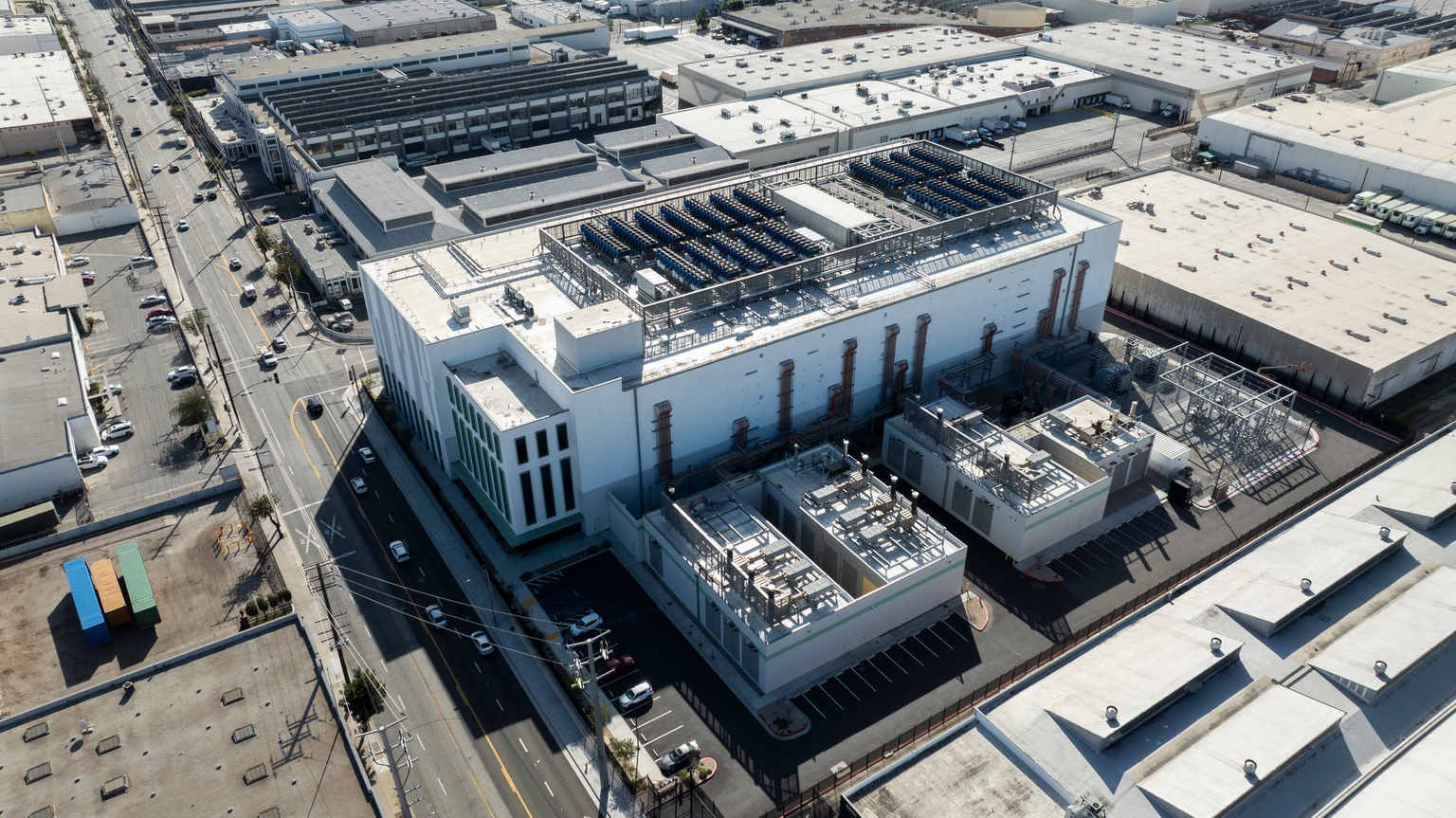
IDGT provides exposure to the real estate and digital infrastructure companies that house and connect the servers running AI workloads. The portfolio spans data center REITs, cell tower operators, and fiber providers. These are the assets that turn GPU clusters into functioning cloud regions. When a hyperscaler announces a new $30 billion data center campus, the economic beneficiaries are often IDGT holdings. The fund's return stream is tied to lease rates, power availability, and the speed at which new capacity can be brought online–not to the silicon cycle directly. That distinction matters because infrastructure timelines are longer and less flexible than chip delivery schedules. A data center that breaks ground today might not deliver usable capacity for three to five years, creating a lag between capex announcements and revenue that can mislead investors about the cycle's true position.
The argument that the AI infrastructure cycle remains early rests on the sheer volume of planned but not yet built capacity. Hyperscalers have committed hundreds of billions of dollars to data center construction through the end of the decade. Much of that spending is tied to land acquisitions, power contracts, and long-lead electrical equipment that has not yet translated into operational assets. From the perspective of an infrastructure owner, the cycle is early because the bulk of contracted revenue has not started flowing. The risk, however, is that equity markets discount future cash flows well before they materialize. IDGT's price already reflects a significant premium for growth that is assumed, not delivered. If power grid constraints slow project timelines, or if AI workload efficiency reduces the need for physical footprint, the early-cycle thesis could break down. The market would then reprice the fund's holdings based on current, not projected, lease rates.
Confirmation of the early-cycle view requires sustained, above-trend leasing activity and new data center announcements that come with signed tenant commitments, not just land banking. Quarterly reports from the largest data center REITs that show rising same-store net operating income and accelerating development pipelines would support the thesis. On the weakening side, any signal that hyperscalers are deferring capacity decisions–whether due to power availability, regulatory delays, or a shift toward smaller, more distributed inference workloads–would challenge the assumption that the buildout has years to run. The next concrete marker is the round of hyperscaler capex guidance updates, where any downward revision to multi-year spending plans would directly hit the valuation multiples IDGT currently commands.
IDGT's path from here depends less on whether AI demand continues to grow and more on whether the physical infrastructure can be delivered on time and on budget. The fund's holdings are not a pure play on AI adoption; they are a bet on the execution of a construction cycle that is still in its early permitting and procurement stages. The market's willingness to pay for that future is the variable that will determine whether the early-cycle label holds or gets revised.
Drafted by the AlphaScala research model and grounded in primary market data – live prices, fundamentals, SEC filings, hedge-fund holdings, and insider activity. Each story is checked against AlphaScala publishing rules before release. Educational coverage, not personalized advice.