In January 2025, the NAACP sued Alabama's governor and university trustees over a state law banning diversity and critical race theory programs. The lawsuit's opening brief calls back to a deeper history–one that frames civil rights enforcement as a federal mission born from the South's resistance.
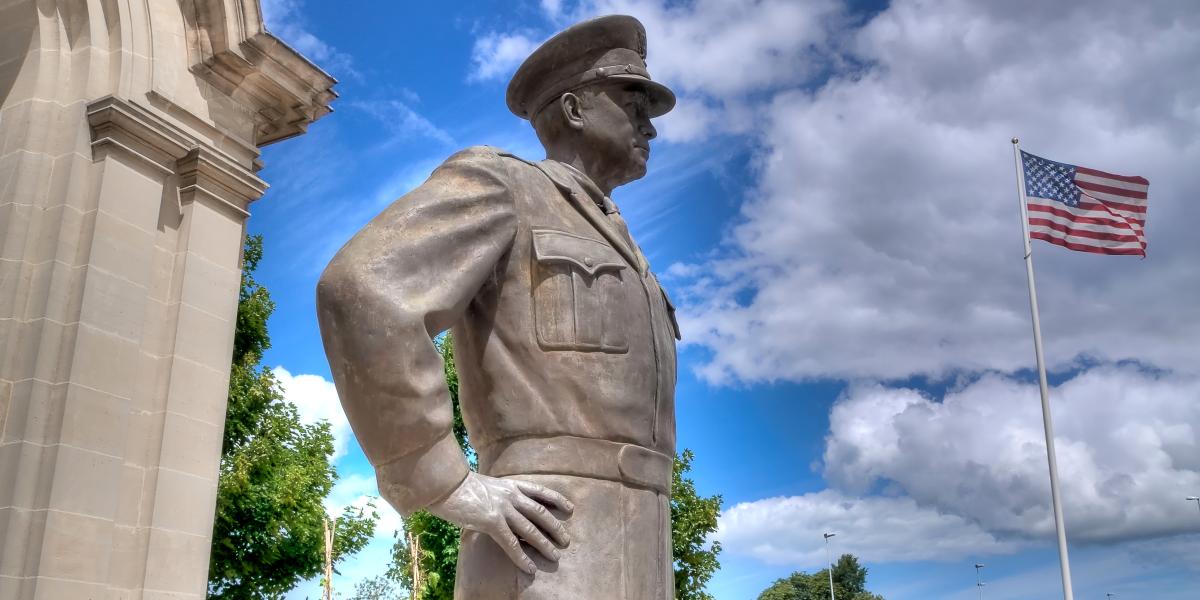
That framing has roots in the Civil Rights Act of 1957. President Eisenhower introduced the bill to protect black voters in Southern states. The core mechanism was simple: move enforcement of voting rights from state courts to a new civil rights division inside the Justice Department. Federal judges, the argument went, could be trusted where local juries would not convict.
The act passed with a 60-15 Senate vote. Republicans cast 37 of the yea votes; Northern Democrats supplied most of the rest. All 15 nay votes came from former Confederate states. Their argument rested on the Constitution's reservation of election control to the states–a position the media and most Northern politicians dismissed as a cover for racial bias.
Judge Frank M. Johnson Jr., an Eisenhower appointee from Winston County, Alabama, became a key figure in enforcing the new law. Johnson came from a Union-loyal region of the state; his family had fought for the North in the Civil War. A quote from Abraham Lincoln sat under glass on his desk. He told biographer Jack Bass that the "Jacksonian philosophy" of his home county instilled a fierce loyalty to the national government over the state.
That loyalty mirrored the bipartisan logic behind the 1957 bill. Republicans argued the right to vote was "the cornerstone of our representative form of government" and that the federal government "must in the future play a major role in protecting this essential right." The Fourteenth and Fifteenth Amendments provided the constitutional hook.
Opponents from the South called it federal tyranny. Northern supporters saw it as a price worth paying for racial peace. The bill itself was a compromise–Eisenhower had originally wanted federal enforcement of school desegregation too. The NAACP dismissed the final version as "a small crumb from Congress" and pushed for more. That push led to the Civil Rights Act of 1964, which expanded federal authority further.
The 1957 act created a precedent: when state institutions are seen as unreliable, federal power fills the gap. That same logic underlies the current lawsuit against Alabama's DEI ban. The NAACP argues that the state is again acting as a vehicle for discrimination, and only federal courts can stop it.