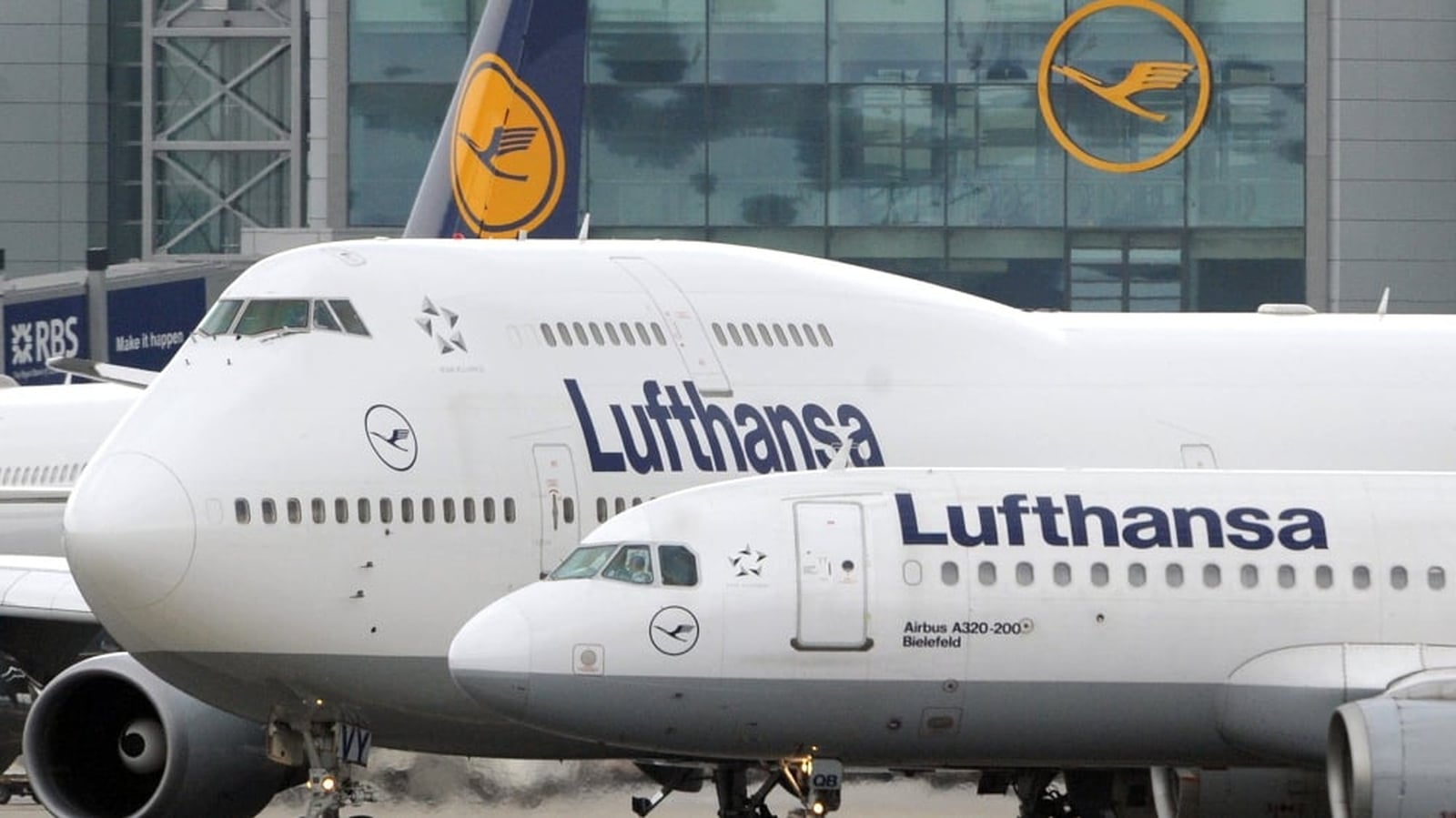
The European Court of Justice has rejected an appeal from Lufthansa regarding the legality of state aid packages granted during the pandemic. This decision upholds a prior ruling that invalidated the European Commission's initial approval of the financial support. The legal defeat forces a re-evaluation of how pandemic-era government interventions are treated under regional competition law.
Competitive Rebalancing in European Skies
Ryanair has consistently challenged state-backed bailouts across the European airline sector, arguing that such support distorts fair competition. By successfully overturning the approval of Lufthansa's aid, the carrier has established a precedent that could complicate future government interventions in the industry. This outcome shifts the burden back to the European Commission, which must now justify or restructure the aid packages to comply with stricter regulatory standards.
For competitors, the ruling serves as a significant validation of their long-standing legal strategy to contest state-led market interventions. The decision forces a closer look at the balance sheets of legacy carriers that relied on government liquidity to survive the travel downturn. Investors are now assessing whether this legal outcome will lead to clawbacks or necessitate new, more transparent capital structures for the affected airlines.
Structural Implications for Airline Valuation
This legal development highlights the ongoing friction between national industrial policy and the European Union's single market competition rules. As legacy carriers navigate the aftermath of these rulings, the focus shifts to their ability to operate without the safety net of state-sanctioned financial support. The sector is currently experiencing a period of consolidation and operational adjustment, where capital efficiency is becoming a primary driver of relative performance.
AlphaScala data currently reflects the complex nature of the sector, with RYAAY stock page holding an Alpha Score of 52/100 and a Mixed label. This score captures the volatility inherent in the current regulatory and competitive environment. While the ruling provides a tactical win for challengers, the broader stock market analysis suggests that the industry remains sensitive to any shifts in regional policy that could impact future profitability.
The Path Toward Regulatory Finality
The immediate consequence of this ruling is the requirement for the European Commission to conduct a more rigorous review of the aid provided to Lufthansa. This process will likely involve detailed scrutiny of the original terms and the potential for market distortion. The next concrete marker for the industry will be the formal response from the European Commission regarding how it intends to reconcile the court's findings with the existing aid framework. Any subsequent adjustments to these financial packages will serve as a critical indicator for how the European Union intends to manage future state-aid disputes in the transportation sector.