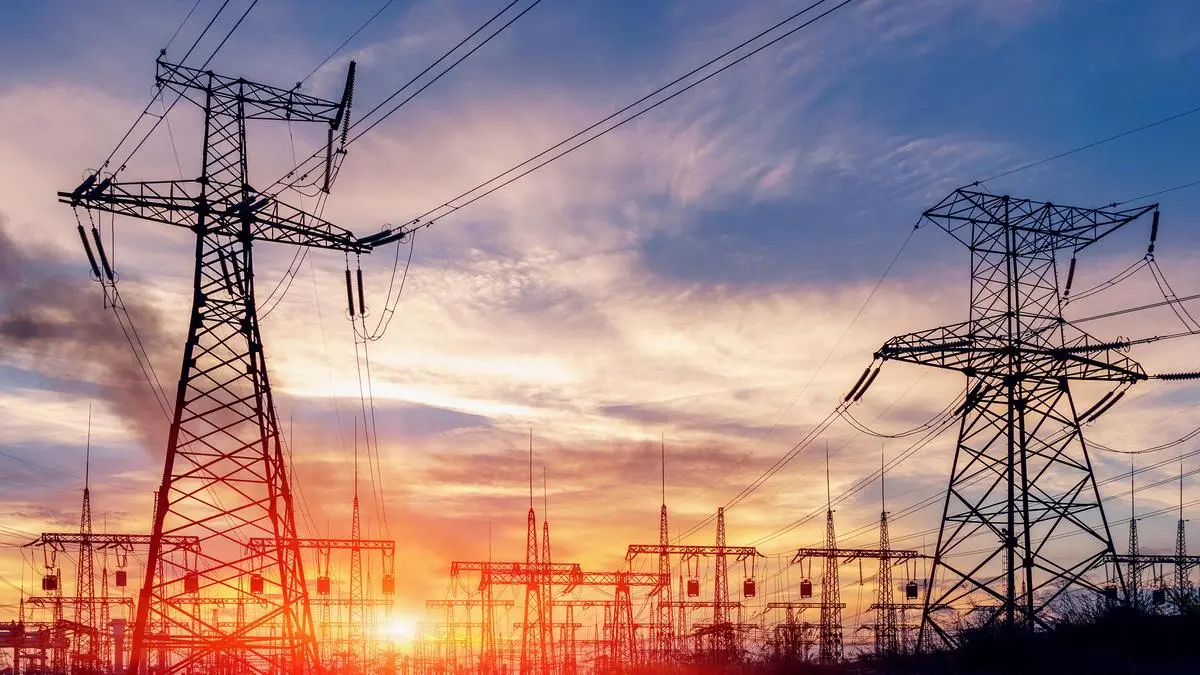
Gujarat replaced Jantri-based land compensation with market-linked payouts for transmission projects, raising costs for developers and setting a precedent for other states.
Facing months of protests from farmers over land used for electricity transmission towers, the Gujarat government on Friday swapped its compensation formula. Payouts for land occupied by towers and power lines will now track prevailing market prices instead of the government's Jantri benchmark, the state said in a notification.
Until Friday, compensation stood at 200% of Jantri – Gujarat's official minimum valuation for property registration. Farmers in Banaskantha, Patan, Mehsana, Sabarkantha, Aravalli and parts of Saurashtra argued that Jantri rates ran far below actual transaction prices. The 200% multiplier still left them short. Protests against new high-voltage tower lines turned into a political headache for the state government, forcing the policy rethink.
Under the new framework, compensation for the tower footprint will be 200% of the prevailing market value. That alone pushes payouts substantially higher in districts where urban sprawl or industrial demand has inflated land prices well above Jantri levels.
The changes go beyond the multiplier. The state expanded the area eligible for compensation. Earlier, only the exact footprint of the tower foundation was paid for. Now an extra one metre on each side of the base gets counted. For a 765-kV transmission tower, the eligible area jumps from 625 square metres to 729 square metres – a 16.6% increase in the compensable area.
The payment schedule also changed. Previously, landowners collected compensation in three tranches: 40% during foundation work, 40% during tower erection and the remaining 20% after stringing of lines. That stretched payout over the project lifecycle and left farmers exposed to delays. The new policy pays the full amount upfront before work begins. That cuts counterparty risk for farmers and removes a common friction point with transmission companies.
A Market Rate Committee will determine land values. The committee includes the district collector, representatives of affected farmers, authorised valuers nominated by landowners, and representatives of the transmission company. It will set the market value for the land itself and, separately, for the right-of-way corridor under the transmission lines. For corridor land, compensation will be 30% of the market value in rural areas, 45% in municipal areas and 60% in metropolitan areas – again replacing the earlier Jantri-linked formula.
For transmission developers, the policy means a meaningful cost increase. Land acquisition already accounts for a significant share of project capital expenditure. Higher per-unit compensation, a larger compensable footprint, and upfront payment all raise the cash requirement before construction begins. That may squeeze smaller developers and make underground cabling or existing corridor rights-of-way more attractive alternatives.
The policy applies retroactively to projects still under execution. If compensation was assessed under the old rules but construction has not finished, eligible landowners can claim the enhanced payout. That creates a retroactive cost liability for developers on partially completed projects, a risk that may not have been priced into original budgets.
Gujarat has long been a test bed for the central government's Green Energy Corridor and interstate transmission system expansions. Linking compensation to market value here could set a precedent for other states facing similar land-acquisition protests. For developers building transmission lines across multiple states, a patchwork of compensation regimes – some Jantri-based, some market-linked – complicates budgeting and project timelines. The Gujarat shift makes state-by-state land policy due diligence more critical before committing capital.
For farmers, the change addresses the core grievance: compensation that did not reflect the real cost of losing productive agricultural land to tower infrastructure. Whether the Market Rate Committee delivers transparent valuations remains to be tested. The mechanism removes the most glaring disconnect – the gap between the notional Jantri rate and what a willing buyer would actually pay.
The Gujarat government said the revised policy takes immediate effect. Transmission companies operating in the state will need to rework their acquisition budgets for pending projects and factor in higher land costs for new ones.
Prepared with AlphaScala research tooling and grounded in primary market data: live prices, fundamentals, SEC filings, hedge-fund holdings, and insider activity. Each story is checked against AlphaScala publishing rules before release. Educational coverage, not personalized advice.