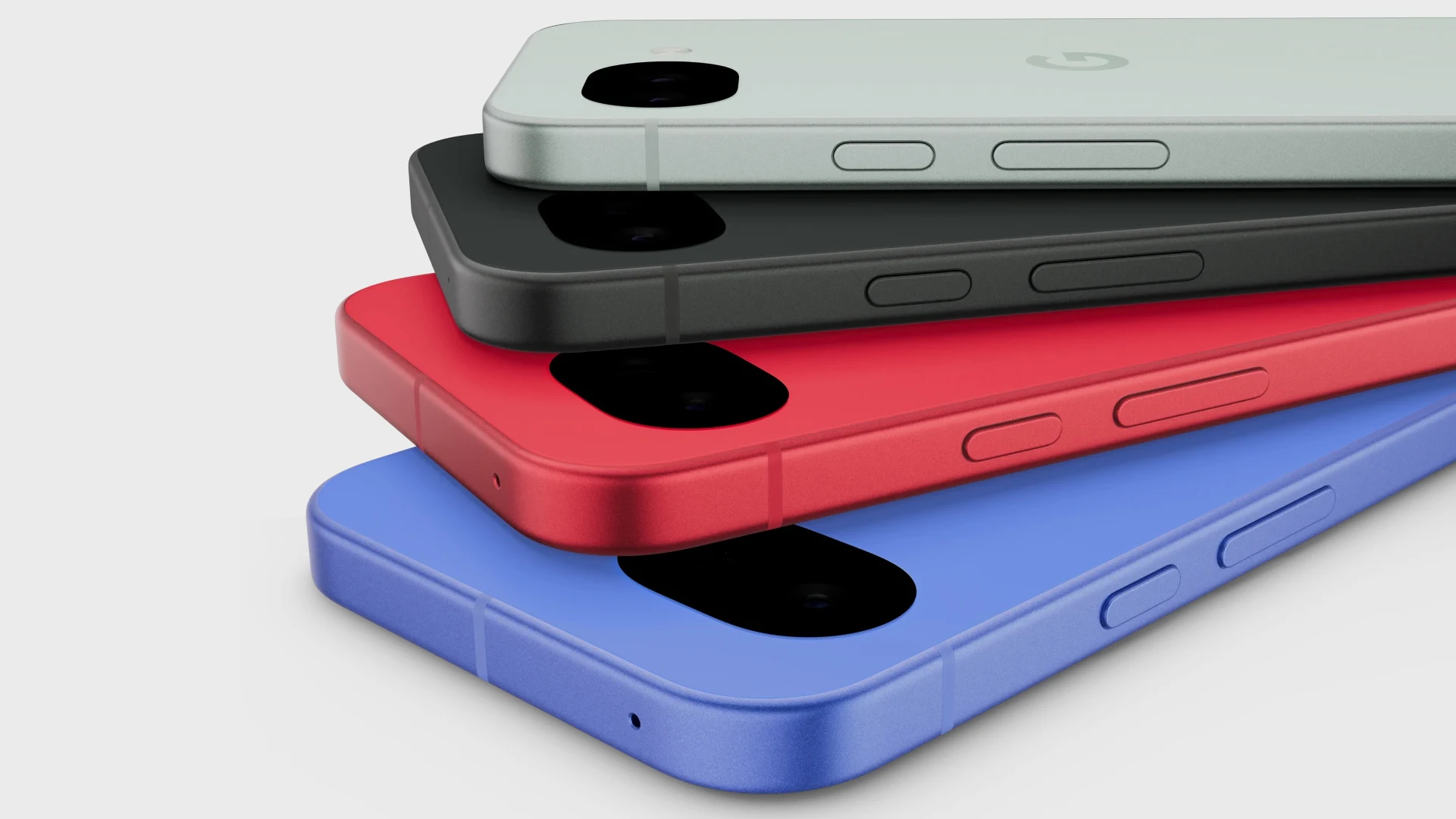
Alphabet Inc. (GOOGL) has launched the Pixel 10A exclusively for the Japanese market, marking a shift in its regional hardware strategy. This release signals an intentional move to capture deeper penetration in a territory where the company has historically faced stiff competition from Apple and local handset manufacturers.
Strategic Localization
The decision to make the 10A a Japan-only device reflects the company’s desire to tailor its product marketing to local consumer preferences. By focusing resources on a single, high-potential market, Google aims to streamline its supply chain and marketing spend rather than forcing a global rollout of a mid-range handset. This approach allows for more aggressive pricing and feature sets specifically tuned for Japanese users, who often prioritize specific hardware form factors and software integrations that differ from Western markets.
Competitive Landscape in Japan
Japan remains a critical battleground for smartphone vendors. With Apple maintaining a dominant share of the domestic market for years, Google’s strategy is clearly designed to undercut incumbents in the value-driven mid-range category.
- Market Share Dynamics: Google has been steadily increasing its footprint in Japan through consistent hardware updates.
- Hardware Strategy: The 10A serves as a low-cost entry point to the Google ecosystem, designed to keep users within the Android fold.
- Distribution: Local retail partnerships remain the primary engine for this push.
Market Implications for Alphabet
For investors, the success of this regional exclusive serves as a proxy for Google’s broader hardware ambitions. If the 10A gains traction, expect to see the company replicate this 'localized exclusivity' model in other high-growth emerging markets. Traders should watch how this affects the company's hardware margins; while regional launches can reduce marketing overhead, they also create inventory risks if demand forecasts underperform.
Analysts tracking market analysis should note that Alphabet’s hardware segment is increasingly focused on high-margin services rather than just unit volume. However, in Japan, volume is the necessary precursor to building a software moat that can compete with the entrenched iOS ecosystem.
What to Watch
Monitor the upcoming quarterly reports for specific mentions of regional hardware growth, particularly in the APAC segment. If Google reports a surge in Japanese market share without a corresponding rise in global marketing costs, the strategy will be viewed as a success. Conversely, watch for inventory adjustments in the next two quarters, which would indicate that the 10A failed to resonate with the intended consumer base.
The effectiveness of this regional play will ultimately be judged by the company's ability to displace incumbent mid-range devices without cannibalizing sales of its flagship Pixel Pro series.