Back to Markets
Stocks● Neutral

Geopolitical Volatility Risks and Energy Market Sensitivity

Geopolitical Volatility Risks and Energy Market Sensitivity
ASAFEONAS

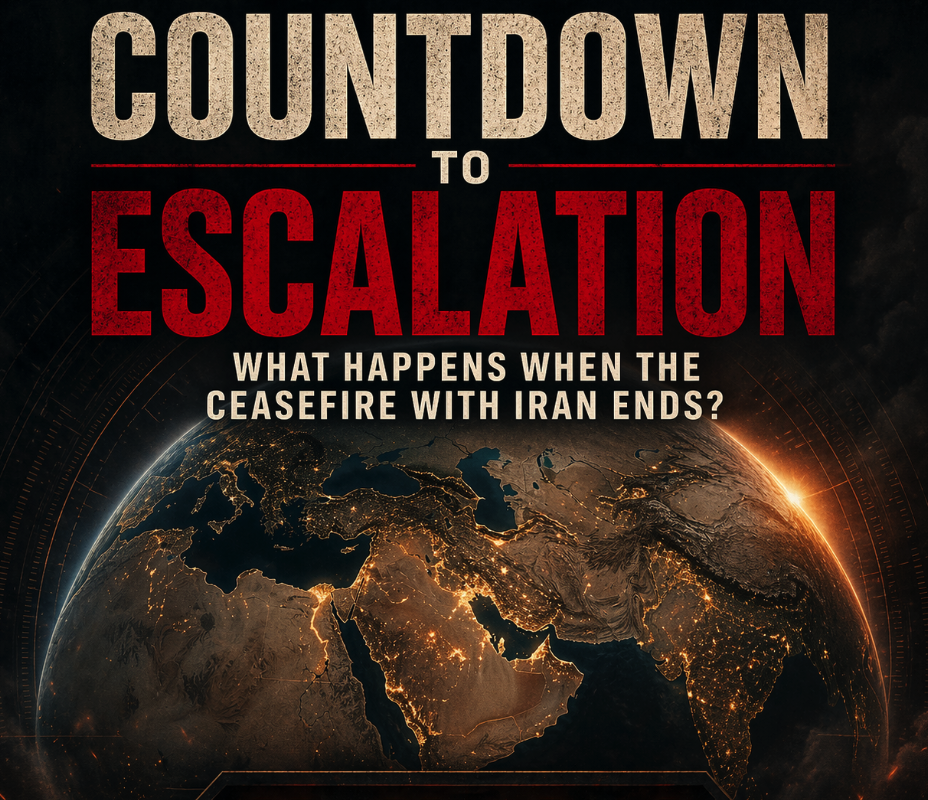
The breakdown of diplomatic channels with Iran heightens the risk of regional conflict, threatening energy supply chains and prompting a shift toward safe-haven assets.

AlphaScala Research Snapshot
Live stock context for companies directly referenced in this story
Alpha Score
55
Moderate

Alpha Score of 55 reflects moderate overall profile with moderate momentum, moderate value, moderate quality. Based on 3 of 4 signals — score is capped at 90 until remaining data ingests.

Real Estate
Alpha Score
54
Weak

Alpha Score of 54 reflects moderate overall profile with moderate momentum, strong value, weak quality. Based on 3 of 4 signals — score is capped at 90 until remaining data ingests.

Alpha Score
45
Weak

Alpha Score of 45 reflects weak overall profile with strong momentum, poor value, poor quality, weak sentiment.

Consumer Cyclical
Alpha Score
47
Weak

Alpha Score of 47 reflects weak overall profile with moderate momentum, poor value, moderate quality. Based on 3 of 4 signals — score is capped at 90 until remaining data ingests.

This panel uses AlphaScala-native stock data, separate from the source wire linked above.

The breakdown of diplomatic channels concerning Iran signals a shift toward renewed regional instability. As the prospect of direct military engagement increases, the primary focus for global markets centers on the potential for disruption to energy supply chains and the subsequent impact on risk assets. The historical correlation between Middle Eastern conflict and crude oil price spikes serves as the immediate benchmark for how capital will rotate if the situation escalates.

Energy Infrastructure and Supply Chain Vulnerabilities

The central concern for energy markets remains the security of the Strait of Hormuz. A significant portion of global oil and liquefied natural gas transit passes through this chokepoint. Any military escalation that threatens to close or restrict this passage would force an immediate repricing of energy futures. Energy-intensive sectors are particularly exposed to these potential price shocks, as higher input costs often compress margins for industrial and manufacturing firms that lack pricing power.

Beyond energy, the broader equity market faces a potential shift in risk sentiment. Investors typically move toward safe-haven assets when regional conflicts threaten to expand. This behavior often leads to increased volatility in high-beta sectors, including technology and consumer discretionary. The current environment forces a re-evaluation of supply chain dependencies, particularly for companies that rely on global logistics networks that could be disrupted by regional maritime instability.

Sectoral Exposure and Defensive Positioning

Market participants are currently assessing the resilience of portfolios against sudden geopolitical shocks. While some sectors benefit from higher energy prices, the majority of the market faces headwinds from rising uncertainty and potential inflationary pressure. The following sectors are typically the first to experience volatility during periods of heightened regional tension:

  • Energy and Oil Services: Direct beneficiaries of supply disruption fears.
  • Aerospace and Defense: Often see increased interest due to expectations of higher government spending.
  • Financials: Subject to volatility based on interest rate expectations and the impact of potential sanctions.

AlphaScala data currently reflects a cautious environment for several technology-focused equities. For instance, ON stock page holds an Alpha Score of 45/100, while U stock page sits at 43/100. These scores indicate a mixed outlook as the broader market navigates these external pressures. Meanwhile, A stock page maintains a slightly more stable profile with an Alpha Score of 55/100, suggesting varying levels of resilience across the technology and healthcare sectors.

Monitoring the Next Escalation Threshold

The immediate path forward depends on the specific nature of the next military or diplomatic development. The market will look for confirmation of target engagement or the implementation of new, more restrictive sanctions. Any official communication regarding the status of regional energy transit will serve as the primary indicator for short-term price discovery. Investors should monitor official government briefings and energy shipping reports as the next concrete markers for how this conflict will influence global liquidity and asset pricing. The transition from diplomatic failure to active conflict represents a structural change in the risk landscape that will dictate sector performance in the coming weeks.

How this story was producedLast reviewed Apr 21, 2026

AI-drafted from named sources and checked against AlphaScala publishing rules before release. Direct quotes must match source text, low-information tables are removed, and thinner or higher-risk stories can be held for manual review.

Editorial Policy·Report a correction·Risk Disclaimer