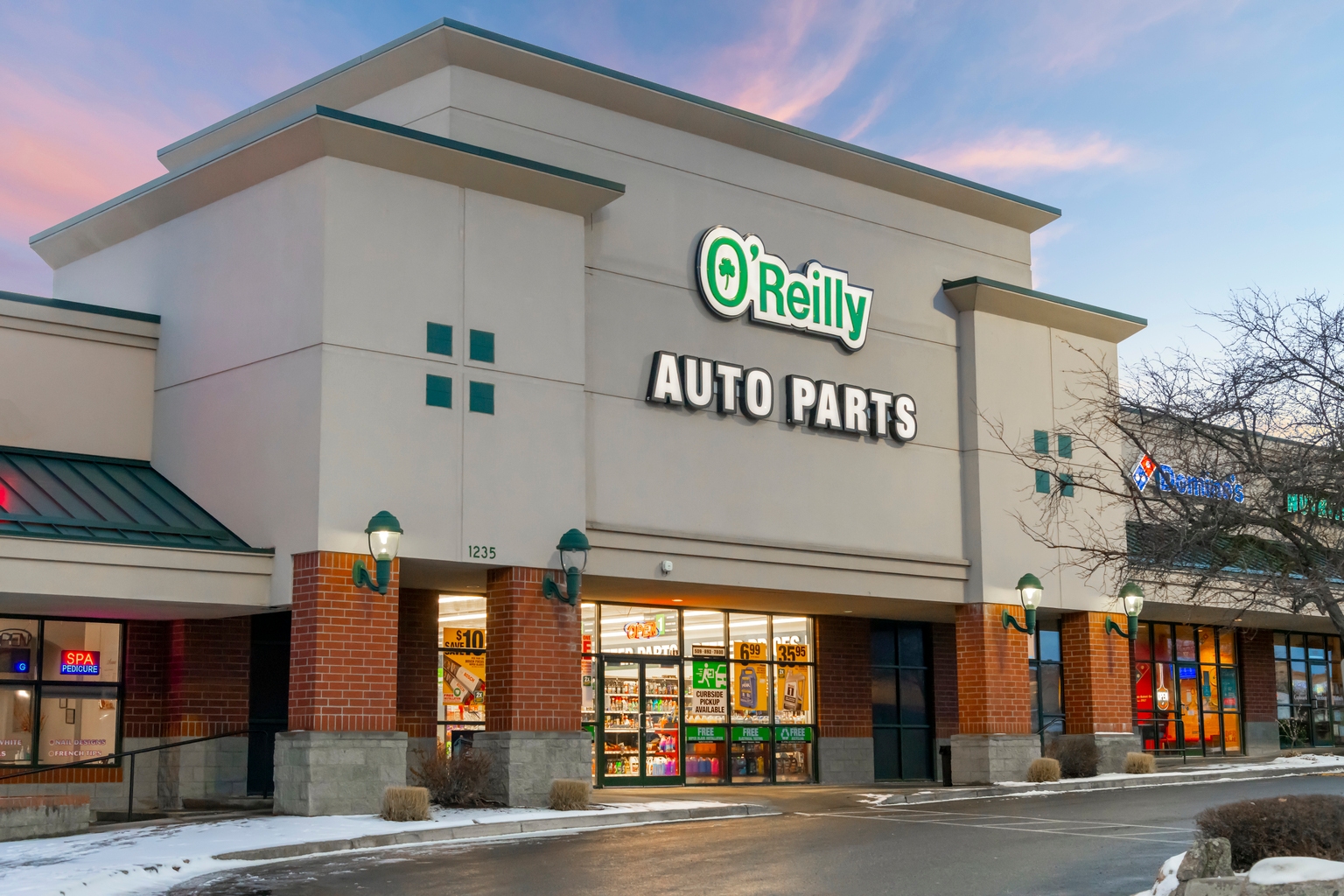
O'Reilly Automotive has recently retreated from its 2025 peak, settling into a valuation range that forces a reassessment of the auto aftermarket sector. While the broader consumer discretionary space grapples with shifting household spending priorities, the demand for vehicle maintenance remains tethered to the aging of the national fleet. This structural necessity provides a floor for companies that operate in the repair and replacement cycle, distinguishing them from retailers reliant on purely elective purchases.
The Mechanics of Aftermarket Demand
The core narrative for O'Reilly Automotive rests on the durability of the DIY and professional service segments. When economic conditions tighten, vehicle owners frequently choose to extend the life of existing assets rather than commit to new vehicle financing. This behavior creates a consistent revenue stream for parts retailers, as the frequency of repair cycles tends to increase as vehicle age rises. The current pullback in the share price suggests that the market is weighing the impact of potential supply chain normalization against the persistent demand for essential vehicle components.
AlphaScala data currently assigns ORLY stock page an Alpha Score of 40/100, reflecting a Mixed outlook as the company navigates these shifting macro pressures. This score captures the tension between the firm's historical operational efficiency and the current valuation compression affecting the broader consumer discretionary sector.
Valuation and Sector Read-Throughs
Investors are currently balancing the defensive nature of auto parts against the broader volatility seen in interest-rate-sensitive sectors. While firms like Realty Income Corporation provide a different type of defensive profile through real estate, O'Reilly represents a direct play on the maintenance of the consumer's most critical transportation asset. The recent price action indicates that the market is not yet pricing in a sustained acceleration in repair demand, leaving the stock in a consolidation phase.
The sector is also contending with the influence of Nasdaq Inc., which continues to serve as a barometer for financial market sentiment and capital allocation trends. As stock market analysis suggests, the interplay between liquidity and sector-specific performance remains the primary driver of volatility for high-quality names. The current valuation gap relative to previous highs invites scrutiny of whether the market is overestimating the impact of a potential slowdown in consumer spending on essential maintenance.
The Path to Revaluation
The next concrete marker for O'Reilly will be the upcoming guidance update regarding inventory turnover and professional service growth. If the company demonstrates that it can maintain margin integrity despite inflationary pressures on logistics and labor, the current discount to its 2025 highs may be viewed as a tactical entry point. Conversely, any sign of softening in the professional segment would suggest that the broader economic slowdown is finally reaching the essential maintenance category. Monitoring the delta between DIY and professional revenue growth will be the most reliable indicator of whether the stock is poised for a recovery or a deeper period of stagnation.