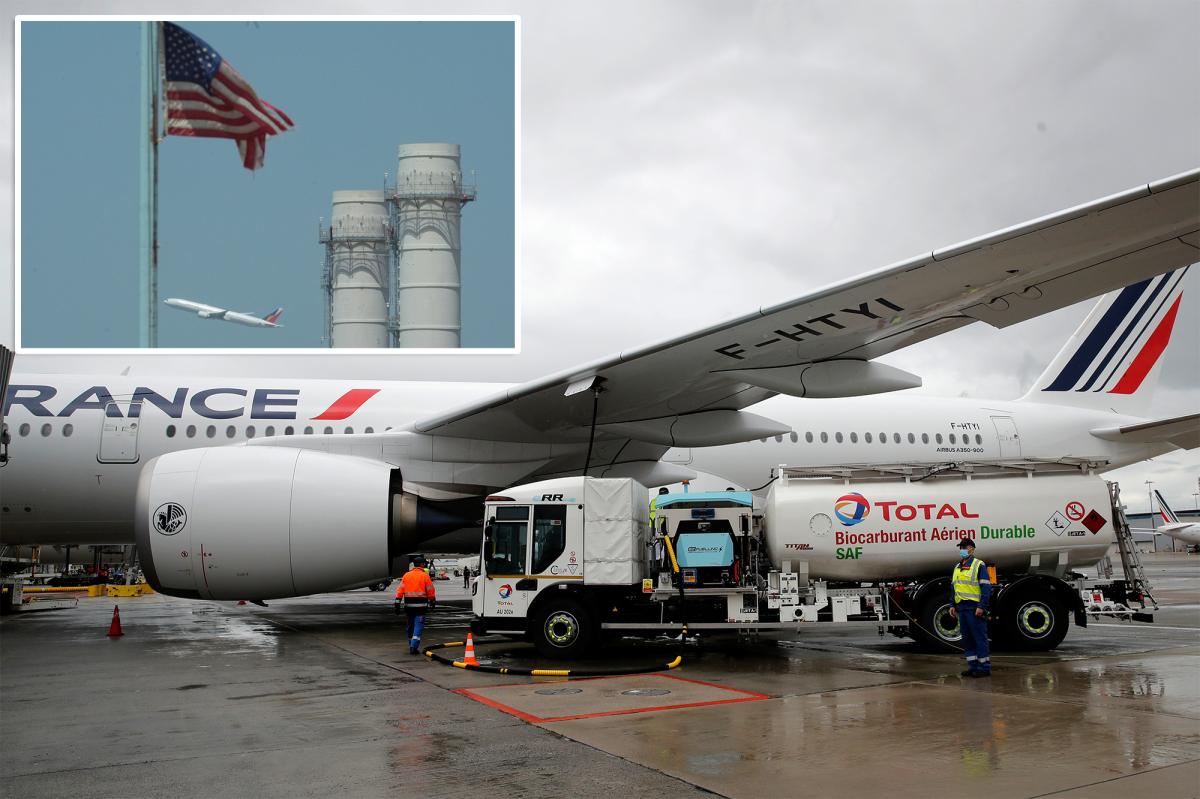
The escalation of regional conflict involving Iran has introduced immediate volatility into global energy markets, directly impacting the operational cost structure of the aviation sector. As crude oil prices react to the potential for supply chain disruptions in the Middle East, airlines are facing renewed pressure on fuel expenditures. This shift forces a rapid reassessment of ticket pricing models and route viability for carriers that rely on long-haul transit through affected air corridors.
Fuel Surcharge Dynamics and Operational Costs
Aviation fuel remains one of the largest variable expenses for global carriers. When geopolitical tensions spike, the immediate impact is felt through the spot price of jet fuel, which often tracks closely with crude oil benchmarks. Carriers typically manage these fluctuations through hedging strategies, but sustained instability limits the effectiveness of these protections. As fuel costs rise, airlines are forced to pass these expenses to consumers through increased base fares or specific fuel surcharges. This creates a direct correlation between regional security developments and the consumer discretionary budget for travel.
Beyond simple price increases, the conflict necessitates the rerouting of international flights to avoid restricted or hazardous airspace. These adjustments increase flight times and total fuel burn per trip. The logistical complexity of managing these detours reduces the overall efficiency of fleet utilization. For major carriers, this means fewer available seats on key international routes as aircraft are tied up in longer transit times, effectively tightening supply while demand remains sensitive to price.
Sector Read-Through and Consumer Impact
The ripple effects of these logistical constraints extend beyond the airlines themselves. The broader consumer cyclical sector, including hospitality and tourism-dependent industries, often experiences a cooling effect when travel becomes prohibitively expensive or unpredictable. Investors monitoring the stock market analysis should note that the current environment creates a divergence between carriers with high exposure to Middle Eastern routes and those with more localized or regional operations.
AlphaScala data currently reflects a cautious environment for consumer-facing equities. For instance, Amer Sports, Inc. holds an Alpha Score of 47/100, categorized as Mixed, while Costco Wholesale Corporation maintains an Alpha Score of 57/100, labeled as Moderate. These scores highlight the varying degrees of sensitivity that different segments of the consumer economy possess when faced with macro-level disruptions. You can track these developments further on the AS stock page or the COST stock page.
The next concrete marker for this narrative will be the upcoming quarterly earnings calls for major international airlines. These reports will provide the first quantitative look at how management teams are absorbing increased fuel costs and whether they intend to maintain current capacity levels in light of ongoing airspace restrictions. Investors should look for specific commentary on fuel hedging ratios and adjustments to long-haul route guidance as indicators of how long these operational headwinds are expected to persist.