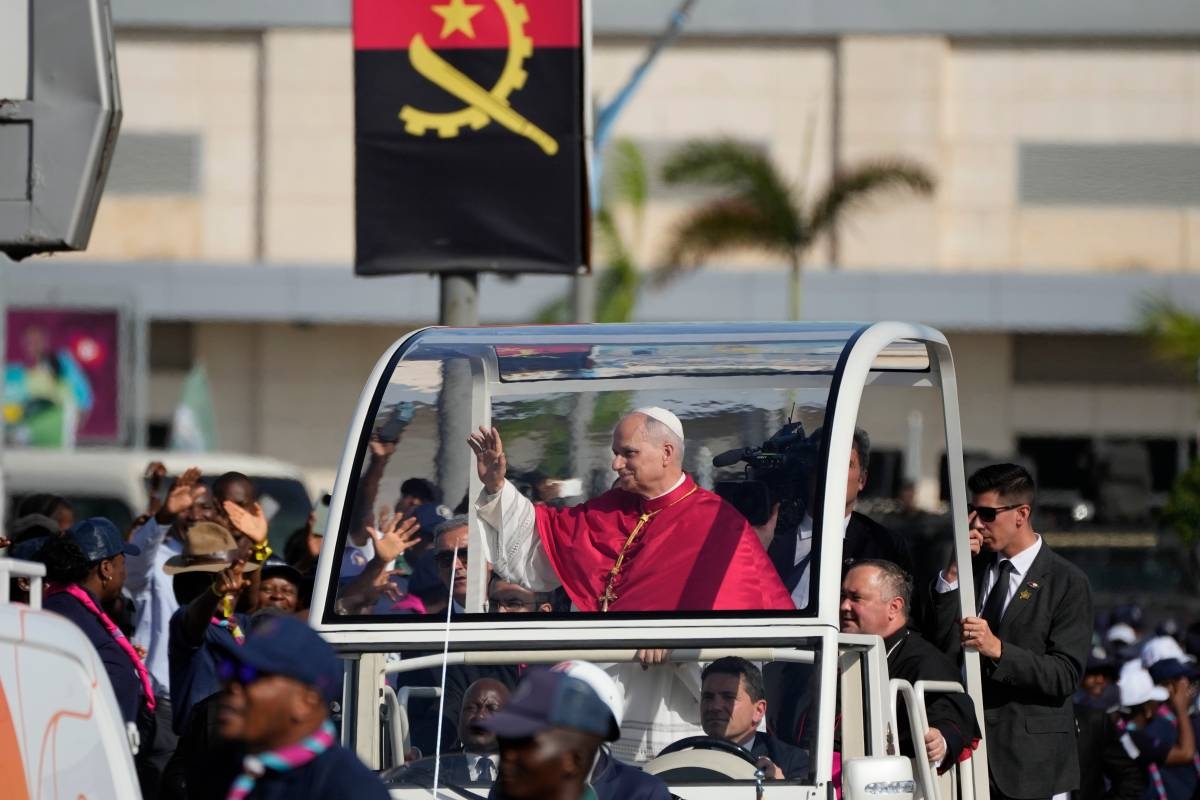
The arrival of Pope Leo XIV in Luanda has introduced a significant diplomatic variable into the regional investment climate. By explicitly challenging Angola's leadership to dismantle entrenched cycles of exploitation, the pontiff has elevated the visibility of governance risks that often remain secondary in standard economic modeling. This intervention serves as a high-profile signal that the internal political stability of resource-rich nations is increasingly subject to international scrutiny.
Governance Scrutiny and Capital Allocation
For investors, the primary concern is whether this rhetoric translates into tangible policy shifts or increased regulatory friction. Angola remains a critical node in global energy and mineral supply chains. When institutional or moral authorities highlight systemic governance failures, it often forces multinational corporations to re-evaluate their local partnerships and compliance frameworks. The immediate risk is not necessarily a sudden cessation of operations, but rather an increase in the cost of capital as firms adjust for heightened reputational and operational uncertainty.
This development forces a recalibration of the risk premium associated with regional logistics and resource extraction. When leadership is pressured to address long-standing economic imbalances, the potential for sudden shifts in tax policy, contract enforcement, or labor regulations increases. Investors should monitor how local authorities respond to these demands, as any defensive posture could lead to a tightening of the regulatory environment for foreign entities.
Sectoral Read-Throughs and Regional Stability
Beyond the immediate political theater, the narrative underscores the broader vulnerability of emerging market assets to external moral and political pressure. The stability of regional logistics remains a primary concern for those tracking the flow of commodities from the interior to global markets. Any disruption in the continuity of these operations, whether driven by political unrest or administrative reform, carries direct costs for global supply chains.
- Increased transparency requirements for extractive industries.
- Potential for labor unrest if reform rhetoric gains domestic momentum.
- Heightened sensitivity to international oversight regarding resource management.
For those analyzing the intersection of policy and market performance, this event serves as a reminder that political stability is rarely static. While the immediate focus is on the diplomatic exchange, the secondary effect is the potential for a shift in the legislative landscape. The next concrete marker will be the government's formal response to these challenges, specifically regarding any proposed changes to resource management or fiscal transparency. Investors should look for subsequent filings or policy announcements that indicate whether the administration intends to pursue structural reform or maintain the status quo. For further context on how such regional shifts impact broader logistics, see Maritime Search Operations and the Impact on Regional Logistics.
AlphaScala data currently tracks various sectors for volatility, including Agilent Technologies, Inc. with an Alpha Score of 55/100 and Amer Sports, Inc. with an Alpha Score of 47/100. These scores reflect the current sentiment within their respective sectors, providing a baseline for how broader market volatility might be absorbed or amplified by specific corporate structures. As the situation in Angola develops, the focus will remain on whether these diplomatic pressures lead to a measurable change in the local operating environment.