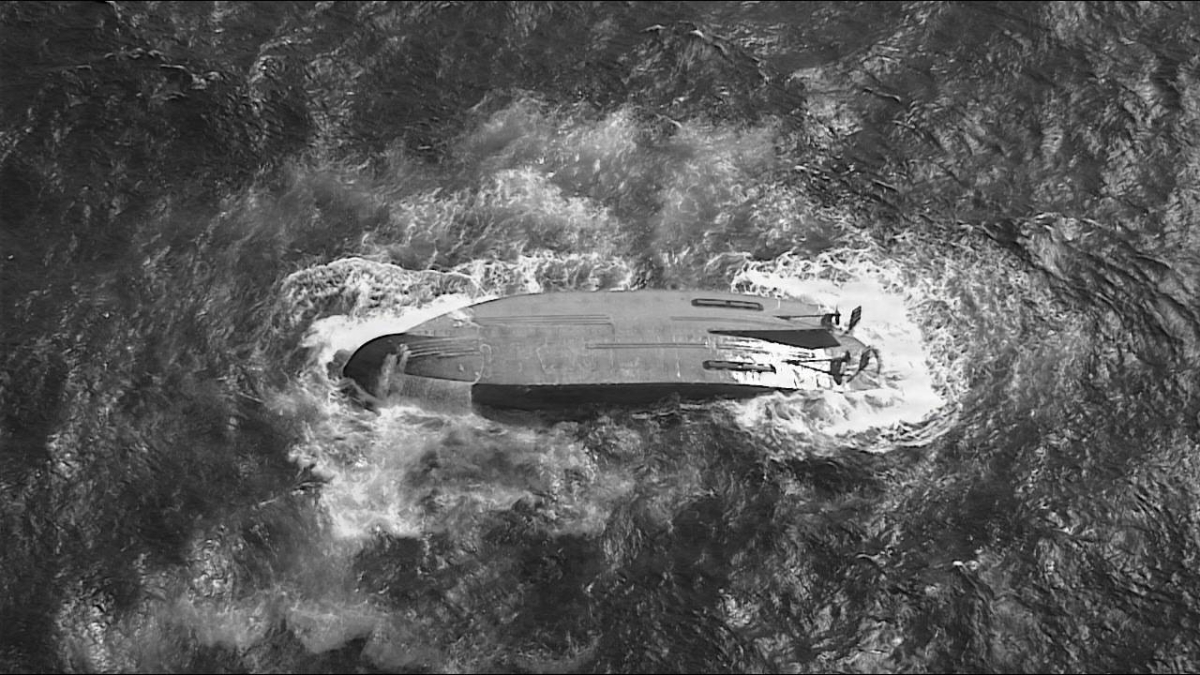
The discovery of an overturned vessel near Saipan by a U.S. Coast Guard search crew has shifted the narrative surrounding the disappearance of a cargo ship carrying six crew members. While authorities have not yet confirmed the identity of the wreckage, the sighting provides a critical focal point for ongoing search and rescue efforts in the region. This development underscores the inherent volatility in maritime logistics and the potential for sudden disruptions in supply chains that rely on smaller, regional cargo operations.
Operational Risks in Regional Maritime Corridors
The loss of a cargo vessel in the waters near Saipan highlights the operational risks present in Pacific maritime corridors. These routes are essential for the movement of goods to island territories, yet they remain susceptible to unpredictable weather conditions and mechanical failures. For companies operating within these sectors, the inability to maintain consistent transit schedules can lead to immediate inventory shortages and increased insurance premiums. The current uncertainty regarding the status of the crew and the cargo serves as a reminder of the fragility of logistical networks that lack the redundancy found in major global shipping lanes.
Sector Read-Through and Supply Chain Sensitivity
The search operation serves as a reminder of how localized maritime incidents can ripple through broader supply chains. When a vessel goes missing, the immediate impact is felt by regional distributors who rely on timely arrivals for inventory replenishment. While this specific event involves a smaller cargo vessel, it mirrors broader concerns regarding the reliability of maritime infrastructure. Investors often monitor these developments to gauge the resilience of regional logistics providers and the potential for increased regulatory scrutiny on safety standards for smaller-scale shipping operations.
AlphaScala data currently reflects a mixed outlook across several sectors, with Agilent Technologies (A) holding an Alpha Score of 55/100, while ON Semiconductor (ON) and Unity Software (U) maintain scores of 40/100 and 36/100 respectively. These scores, available on the A stock page, the ON stock page, and the U stock page, provide a baseline for evaluating how companies navigate operational risks in their respective fields. Understanding these risks is a core component of stock market analysis for those tracking industrial and technological dependencies.
The Path Toward Recovery and Identification
The next concrete marker for this event will be the formal identification of the overturned vessel by the Coast Guard. Confirmation of the ship's identity will dictate the next phase of the operation, transitioning from a search and rescue mission to a recovery and investigation process. This transition will likely involve a review of the vessel's maintenance history and the environmental conditions at the time of its disappearance. Stakeholders will be looking for reports on whether the incident was a result of catastrophic mechanical failure or external environmental factors, as this distinction will inform future safety protocols for regional maritime transit.