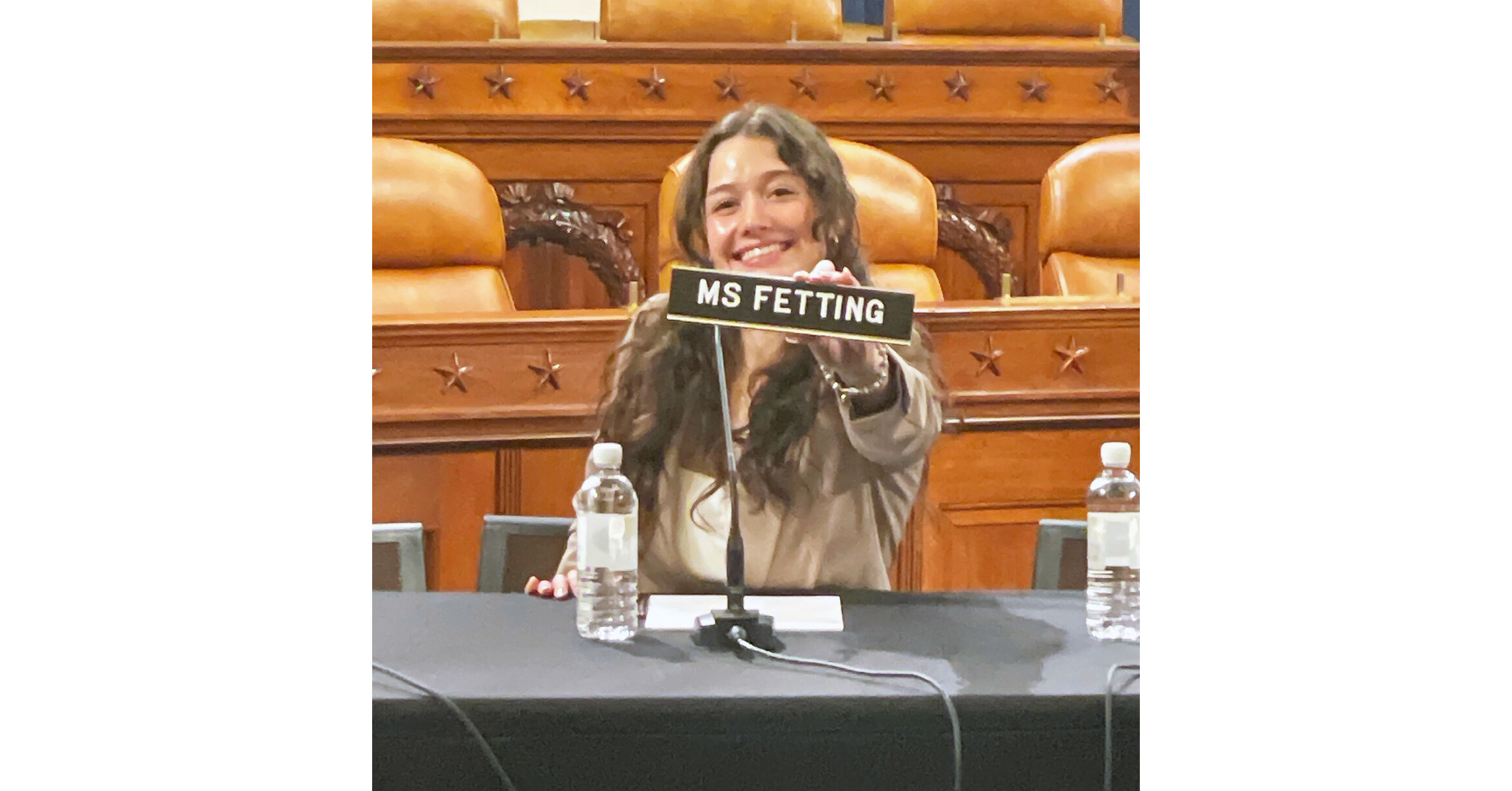
FosterClub Advocacy Highlights Systemic Barriers in Youth Support Services

FosterClub's recent Congressional advocacy highlights the systemic barriers facing foster youth, signaling a shift toward data-driven social policy and increased scrutiny of support infrastructure.
Alpha Score of 55 reflects moderate overall profile with moderate momentum, moderate value, moderate quality. Based on 3 of 4 signals — score is capped at 90 until remaining data ingests.
Alpha Score of 40 reflects weak overall profile with strong momentum, poor value, poor quality. Based on 3 of 4 signals — score is capped at 90 until remaining data ingests.
Alpha Score of 48 reflects weak overall profile with poor momentum, strong value, strong quality. Based on 3 of 4 signals — score is capped at 90 until remaining data ingests.
Alpha Score of 64 reflects moderate overall profile with strong momentum, strong value, moderate quality. Based on 3 of 4 signals — score is capped at 90 until remaining data ingests.
The recent participation of Lived Experience Leader Jocelyn Fetting at a Congressional event underscores a growing push to align federal policy with the practical realities faced by young adults transitioning out of foster care. By centering the narrative on the lived experience of those navigating the system, the event highlights the gap between existing support frameworks and the actual outcomes for youth who exit the program at age 18 or 21. This shift in advocacy focuses on the structural hurdles that persist despite individual effort, moving the conversation toward systemic reform rather than isolated support programs.
Systemic Barriers and Economic Integration
The core of the current policy friction lies in the disconnect between the expectations placed on youth transitioning out of care and the economic reality of the modern labor market. While many programs emphasize individual responsibility, advocates argue that the lack of stable housing, consistent mentorship, and financial literacy resources creates a ceiling for these individuals. This systemic friction often results in underemployment or housing instability, which complicates the broader goal of integrating these young adults into the workforce. The focus on these specific barriers suggests that future policy debates will likely move away from general funding increases and toward targeted interventions that address long-term stability.
Sector Read-Through for Social Infrastructure
The advocacy efforts led by organizations like FosterClub serve as a bellwether for the broader social services sector. As public and private entities evaluate the efficacy of their support infrastructure, the demand for data-driven outcomes is increasing. Investors and policymakers are beginning to scrutinize how social service organizations measure success, specifically regarding the long-term economic independence of their beneficiaries. This trend mirrors broader shifts in stock market analysis where the focus on ESG and social impact metrics is becoming more granular and less reliant on broad-based corporate social responsibility claims.
AlphaScala data currently tracks various sectors for performance and stability. For instance, NOW stock page holds an Alpha Score of 48/100 with a Mixed label, while A stock page maintains an Alpha Score of 55/100 under a Moderate label. These scores reflect the ongoing volatility in technology and healthcare sectors, which often intersect with the digital and medical infrastructure needed to support social services.
The Path to Policy Realignment
The next concrete marker for this narrative will be the introduction of specific legislative proposals that incorporate feedback from youth advisory boards. Observers should monitor upcoming Congressional committee hearings for language that explicitly ties federal funding to the specific metrics of housing stability and employment retention for former foster youth. If these metrics become a standard requirement for federal grants, it will necessitate a significant operational pivot for the non-profit organizations that currently manage these programs. The transition from qualitative advocacy to quantitative policy enforcement will be the primary indicator of whether these efforts lead to lasting structural change.
AI-drafted from named sources and checked against AlphaScala publishing rules before release. Direct quotes must match source text, low-information tables are removed, and thinner or higher-risk stories can be held for manual review.