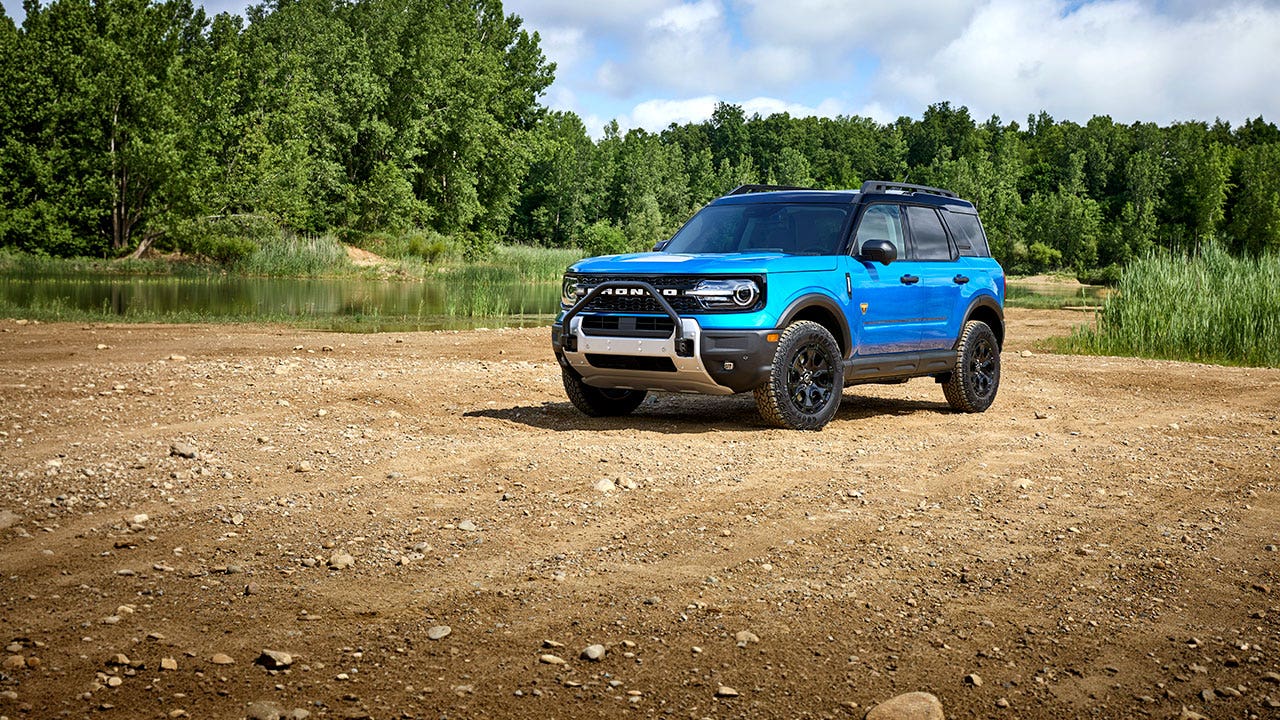
Ford Motor Company issued a critical "Do Not Drive" advisory and safety recall for 4,653 vehicles on Wednesday, covering certain 2021–2026 Bronco Sport and 2022–2026 Maverick models. The recall, approved internally on May 19, addresses a manufacturing defect in the front lower control arm ball joint. According to Ford's official Safety Recall Report to the National Highway Traffic Safety Administration (NHTSA), the defect "may result in loss of vehicle control while driving, increasing the risk of [a] crash."
The simple read: this is a small recall relative to Ford's global production. The affected population breaks down to 2,357 Mavericks and 2,296 Bronco Sports. A recall of this size is unlikely to move quarterly earnings materially. Repair costs are a few hundred dollars per vehicle at most.
The better market read: the "Do Not Drive" language and accompanying stop-sale order raise the legal and reputational stakes well beyond the repair bill. Dealers are prohibited from demonstrating, selling, or delivering any affected new vehicles still in inventory. Violating that federal stop-sale order exposes each dealer to civil penalties of up to $27,168 per vehicle. That enforcement mechanism transforms a routine recall into a compliance risk that Ford and its dealer network must address immediately.
4,653 Vehicles: Defect in Front Lower Control Arm Ball Joint
Ford identified the defect as incorrect installation or repair of the front lower control arm ball joint at the vehicle assembly plant. The problem affects two models:
- 2021–2026 Bronco Sport – 2,296 vehicles
- 2022–2026 Maverick – 2,357 vehicles
The NHTSA filing does not specify which assembly plant. Ford's internal approval date of May 19 suggests the investigation and remedy plan were already underway before the public announcement.
Owners are instructed to stop driving immediately. Dealers will inspect the ball joints and replace them if necessary. The remedy is a parts replacement, not a software fix or inspection-only campaign. Each affected vehicle needs a physical service appointment, which adds scheduling and capacity pressure on dealership service lanes.
$27,168 per Vehicle: The Stop-Sale Enforcement Mechanism
The stop-sale order is not advisory. NHTSA mandates that dealers halt all demonstration, sale, or delivery of affected new vehicles. Failure to comply carries a civil penalty of $27,168 per vehicle. For a single dealer with ten unsold Mavericks in inventory, the potential fine exceeds $270,000. That penalty structure ensures that dealers prioritize the recall over sales of those specific units.
Ford is absorbing the full financial burden of the repair and associated costs. The company covers:
- Towing – up to $250 per vehicle if the owner cannot drive the vehicle to the dealership
- Rental vehicles – pre-approved for up to 30 days if parts replacement is required
- Prior out-of-pocket repairs – reimbursable if performed before June 19, 2026
Some participating dealers are offering dispatched technicians for mobile inspections at customer locations, reducing the need for towing and scheduling delays.
| Metric | Value |
|---|
| Total affected vehicles | 4,653 |
| Bronco Sport | 2,296 |
| Maverick | 2,357 |
| Max civil penalty per vehicle | $27,168 |
| Towing reimbursement cap | $250 |
| Rental coverage duration | 30 days |
| Reimbursement cut-off date | June 19, 2026 |
Timeline: Notification and Repair Process
Ford is in the notification phase. Owners of affected vehicles will receive a formal recall letter by mail. The timeline to watch:
- May 19 – Ford's internal approval date
- June 19, 2026 – cut-off date for prior repair reimbursement eligibility
- No fixed completion date yet – parts availability and service capacity will determine duration
Ford has not disclosed part supplier information or whether replacement ball joints are in ample supply. If parts are constrained, the 30-day rental coverage may need extension, adding to program cost.
F Stock: Reputational Risk and Moderate Alpha Score
The recall hits at a time when Ford is trying to shift the narrative from legacy quality issues to its Ford Pro commercial business and EV transition. A small recall with strong owner protections usually passes as a non-event for the stock. The "Do Not Drive" label and stop-sale orders amplify the reputational risk. They suggest a defect serious enough to warrant immediate immobilization.
AlphaScala's proprietary model rates F at 57/100, a Moderate score reflecting the balancing act between Ford Pro's strong margins and the drag from legacy ICE recalls. This event is unlikely to change that score on its own. A pattern of similar quality actions would erode the premium the market assigns to Ford Pro's recurring service revenue.
For context, the recall affects about 0.1% of Ford's annual U.S. sales. The direct cost is negligible. The indirect cost – dealer disruption, potential legal exposure if a crash occurs, and regulatory scrutiny – is what investors should monitor.
Risk to watch: If NHTSA finds the same ball joint defect across a broader population of Ford models built at the same assembly plant, the scope and financial hit multiply. The next NHTSA update will reveal whether Ford is investigating additional model years or nameplates.
Ford did not respond to requests for comment. Owners can check their vehicle's recall status at NHTSA's website or via Ford's owner portal.
For more on Ford's business segments, see Ford Pro Margins and EV Reset: Two Reasons to Revisit F and The 10/50 Rule: Why Loyal Customers Drive Earnings.