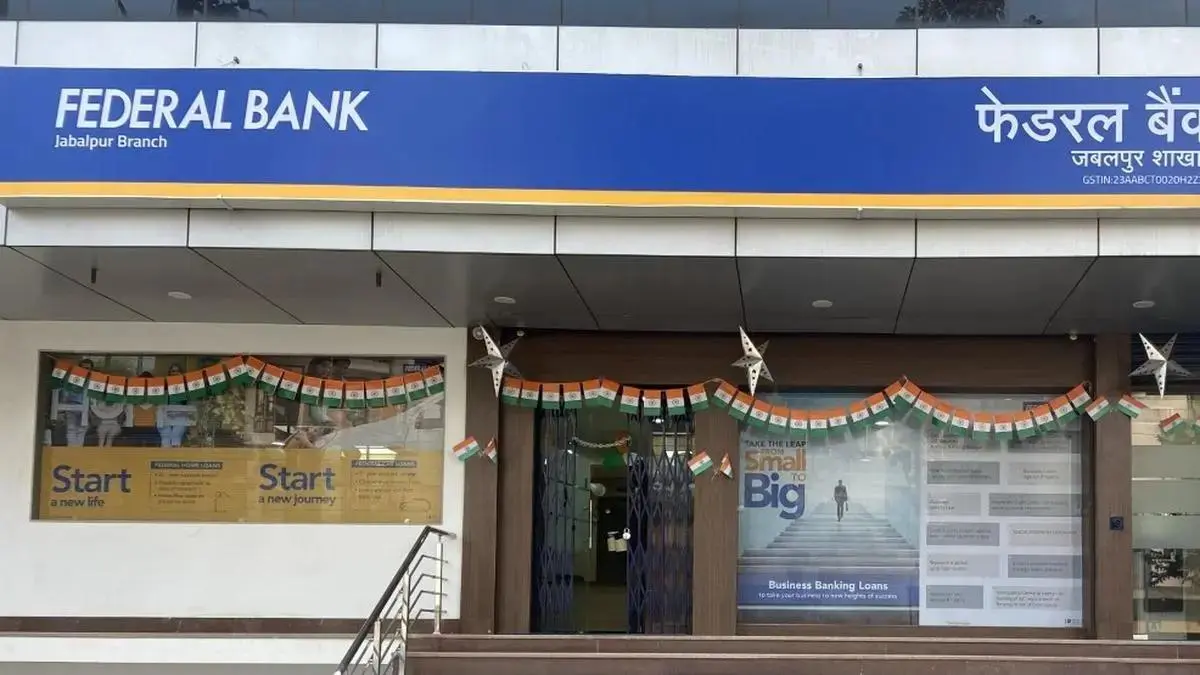
Federal Bank has initiated a strategic expansion of its retail banking footprint by securing board approval to acquire a portion of Standard Chartered Bank’s domestic credit card portfolio in India. This move signals a deliberate shift toward scaling the bank's unsecured lending segment, leveraging the existing customer base of a global institution to accelerate its own market penetration. By absorbing a pre-vetted portfolio, Federal Bank aims to bypass the typical customer acquisition costs and time lags associated with organic growth in the competitive Indian credit card market.
Strategic Retail Scaling and Portfolio Integration
The acquisition serves as a tactical lever for Federal Bank to diversify its asset mix. Credit card portfolios provide high-yield opportunities compared to traditional corporate lending, though they introduce distinct risk profiles related to consumer credit cycles. The integration process will require Federal Bank to align these new accounts with its existing digital infrastructure and risk management frameworks. Success in this transition depends on the bank's ability to retain the acquired customer base while maintaining the credit quality standards that define its current retail operations.
This development reflects a broader trend in the Indian banking sector where mid-sized private lenders seek to capture market share from larger incumbents through inorganic growth. As banks compete for a growing middle-class demographic, the ability to deploy capital into established portfolios offers a faster route to scale than building out proprietary networks from scratch. The bank's performance in this segment will be a key indicator of its operational efficiency in managing retail credit risk at a larger volume.
Market Context and Competitive Positioning
Retail banking remains a primary battleground for Indian financial institutions as digital adoption continues to drive demand for consumer credit. For Federal Bank, the portfolio acquisition acts as a catalyst for its retail division, potentially improving its net interest margins if the integration is executed without significant disruption to the underlying asset quality. The move also places pressure on other regional players to evaluate their own retail strategies as the competitive landscape shifts toward larger, more consolidated portfolios.
AlphaScala data currently tracks various sectors to help investors navigate these shifts. For instance, companies like ON Semiconductor Corporation carry an Alpha Score of 46/100, reflecting a mixed outlook within the technology sector. While the banking sector operates under different dynamics than semiconductor manufacturing, the underlying principle of strategic capital allocation remains a constant factor for portfolio health. Investors interested in broader stock market analysis should monitor how Federal Bank reports the impact of this acquisition on its non-performing asset ratios and overall retail growth targets in subsequent quarterly filings.
The next concrete marker for this transaction will be the formal disclosure of the deal's financial terms and the regulatory approval timeline. Market participants should look for updates regarding the migration of cardholders and any subsequent adjustments to the bank's retail lending guidance. These disclosures will clarify the long-term impact of the acquisition on the bank's balance sheet and its capacity for further retail expansion.