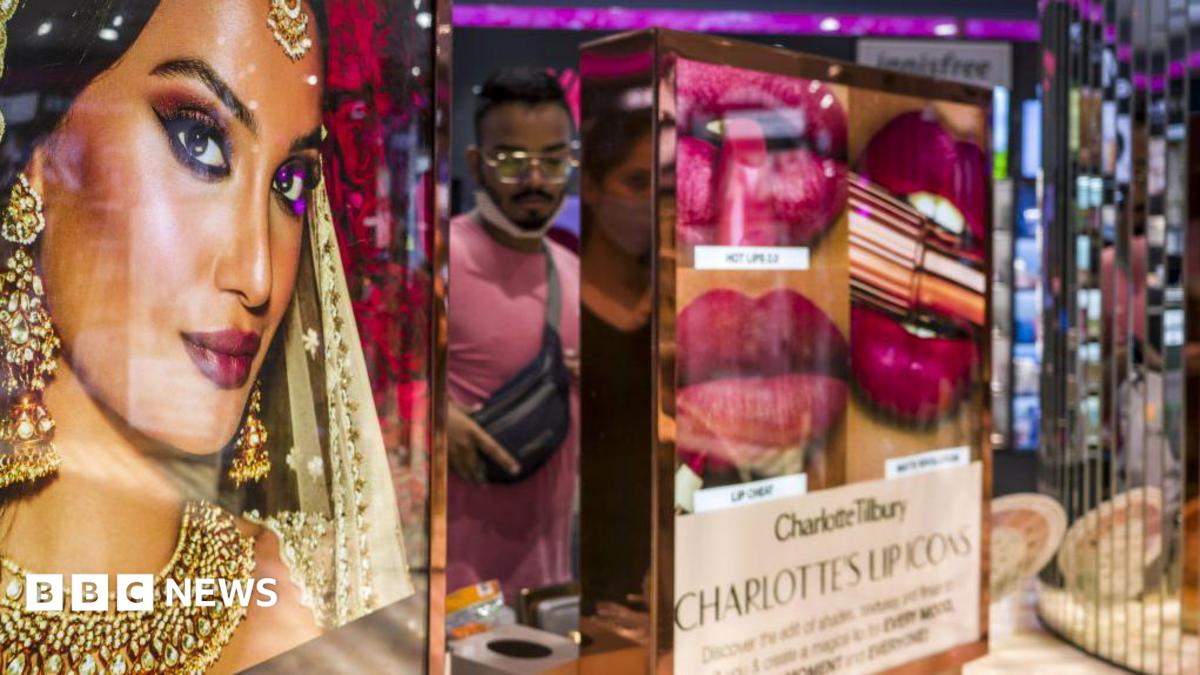
Global beauty companies are placing bigger bets on India than at any point in the last decade.
Estée Lauder fully acquired Forest Essentials, the ayurvedic brand founded in a Himalayan garage, in March. L'Oréal followed in June, taking a majority stake in digital personal care brand Innovist. Unilever has made at least four beauty investments in the country through its venture capital arm over the past two years.
The moves track the expansion of India's beauty market, valued at roughly $23 billion in 2025 and on track to nearly double to $40 billion by 2030, according to Redseer, a business consultancy. That growth rate is twice the pace of India's GDP and the broader retail market.
Rising spending power is the foundation. India's per capita income crossed $2,000 in 2019, a threshold where discretionary spending tends to accelerate, said Kushal Bhatnagar, a partner at Redseer. By 2030, some 155 million households are expected to earn more than $9,500 a year.
"Historically we've underspent on beauty because there was just no purchasing power for anything other than the very basic stuff – such as all-purpose soap or face powder," Bhatnagar told the BBC. Now, he said, the internet broke distribution barriers, with brands using social media and influencers to reach consumers directly.
E-commerce is expected to drive about 35% of beauty spending by 2030, up from 8% five years ago, Redseer estimates. Flipkart, India's largest e-commerce platform, reported that 56% of its beauty and personal care shoppers are Gen Z, with 70% discovering products through social media. Two out of three beauty searches on the platform come from non-metro areas.
Gen Z shoppers are spending roughly double what millennials did on skincare and personal care, said Vaishali Gupta, who co-founded vegan skincare brand Hyphen with Bollywood star Kriti Sanon and runs caffeinated personal care brand mCaffeine. Her brands grew top-line revenue by 100% in the past year. "This is a structural growth story," she said. "We're just at the beginning of what this market can become."
Redseer projects that Gen Z and Gen Alpha's share of beauty spending will rise from 32% in 2024 to about 50% by 2030. Priyanka Bhargav, who leads brand strategy at Flipkart, described the shift as an inflection point: what was once an "aspirational category has now become a daily expression of self-care" for many young Indians.
The pandemic accelerated the trend, Gupta said. "Covid pushed people inward and toward self-care, and it coincided with a massive wave of digital penetration in tier-one, tier-two and tier-three towns. Suddenly Indian consumers had access to beauty and skincare education they'd never had before."
Only a handful of individual beauty brands have scaled meaningfully so far. At the current pace, at least 10 to 15 beauty companies will cross $200 million in revenue in the next three to five years, Bhatnagar said. "And when that happens, we expect many of them to tap the public markets, and for IPO and M&A activity to really intensify in the sector."
For global players with existing exposure, India's beauty story is becoming a larger part of the growth narrative. Unilever, which holds an Alpha Score of 57 on AlphaScala's scale, has placed multiple bets through its venture arm, including stakes in direct-to-consumer brands that target India's young, digital-first shoppers. The company's experience scaling in emerging markets positions it to benefit as the sector matures.
The next phase will likely come from niche brands innovating with specific ingredients, dermatologist-backed products, and a focus on skin nutrition, experts said. That shift could further differentiate the Indian market from global peers and attract more strategic buyers ahead of the expected IPO wave.