Geopolitical Thaw and Trade Signaling: The Strait of Hormuz Reopening

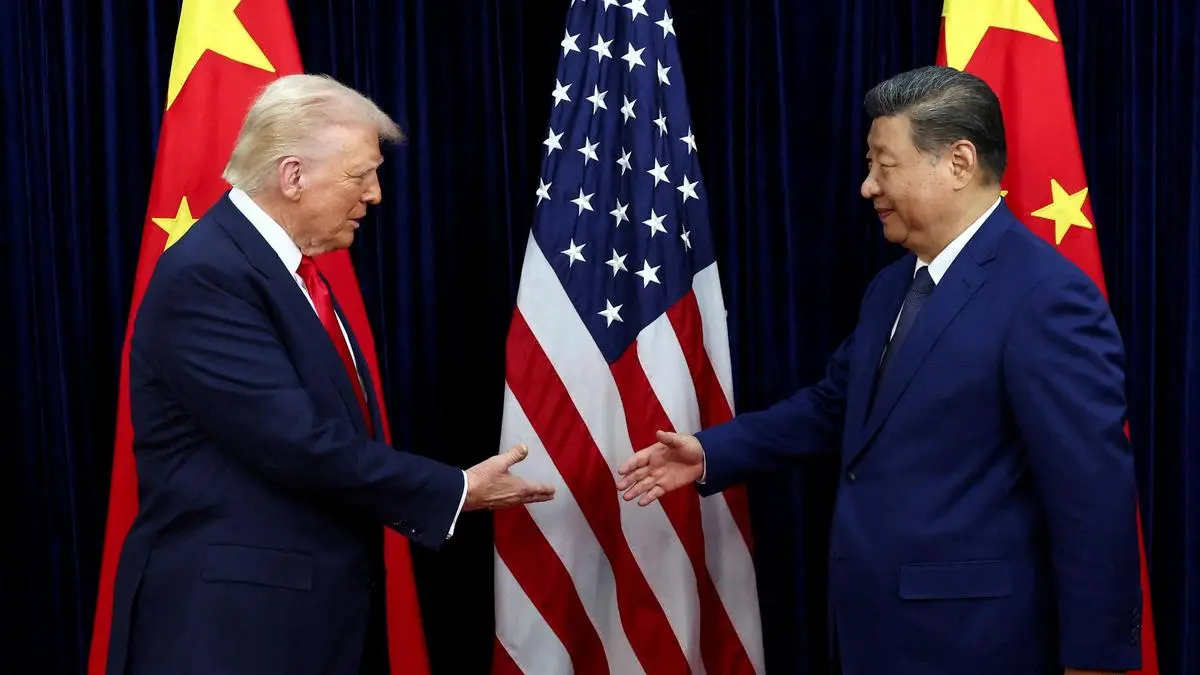
The reopening of the Strait of Hormuz has signaled a potential shift in US-China relations, with both leaders looking toward a rescheduled summit in May to address trade and diplomatic priorities.
The reopening of the Strait of Hormuz has shifted the narrative surrounding global energy logistics and bilateral trade relations. President Donald Trump reported that Chinese President Xi Jinping expressed satisfaction regarding the restoration of transit through this critical maritime chokepoint. This development serves as a primary signal for broader diplomatic engagement, with a rescheduled meeting between the two leaders now anticipated for May.
Impact on Energy Logistics and Trade Flows
The Strait of Hormuz functions as a vital artery for global oil supply. The reopening reduces the immediate risk of supply chain disruptions that previously pressured energy markets and shipping insurance premiums. For global trade, the normalization of this route provides a degree of predictability that has been absent during periods of heightened regional tension. By framing the reopening as a point of mutual satisfaction, the administration is signaling a potential cooling of rhetoric that often precedes substantive trade negotiations.
This development carries specific weight for multinational corporations that rely on stable energy costs and predictable shipping lanes. When geopolitical friction eases in regions critical to commodity transit, the immediate effect is a reduction in the risk premium applied to energy-intensive sectors. Companies with significant exposure to trans-Pacific trade routes are likely to view this diplomatic alignment as a necessary precursor to the upcoming summit in May.
Diplomatic Sequencing and Market Expectations
The anticipation of a rescheduled meeting between the two heads of state provides a concrete timeline for market participants. Diplomatic sequencing often dictates the pace of policy shifts, and the focus on this specific meeting suggests that both administrations are prioritizing a return to structured dialogue. The narrative shift from confrontation to mutual satisfaction regarding regional stability is a departure from the volatility that characterized recent months.
Investors are now looking toward the May summit as the next major marker for trade policy. The success of this meeting will likely be measured by the clarity of future tariff structures and the progress of ongoing bilateral agreements. While the reopening of the Strait of Hormuz addresses an immediate logistical bottleneck, the long-term impact on equity markets will depend on whether this diplomatic momentum translates into tangible economic policy changes.
AlphaScala data indicates that market sensitivity to geopolitical headlines remains elevated, with volatility clusters frequently forming around announcements concerning major trade partners. The current focus on the May summit suggests that market participants are shifting their attention from immediate supply chain threats to the broader framework of international trade relations.
For those monitoring the stock market analysis landscape, the next concrete marker is the official confirmation of the May meeting agenda. Any preliminary statements regarding the scope of the discussions will serve as the primary indicator of whether this diplomatic thaw is intended to yield structural changes or merely maintain the status quo. The transition from regional security concerns to high-level trade negotiations represents the next phase of this evolving narrative.
AI-drafted from named sources and checked against AlphaScala publishing rules before release. Direct quotes must match source text, low-information tables are removed, and thinner or higher-risk stories can be held for manual review.