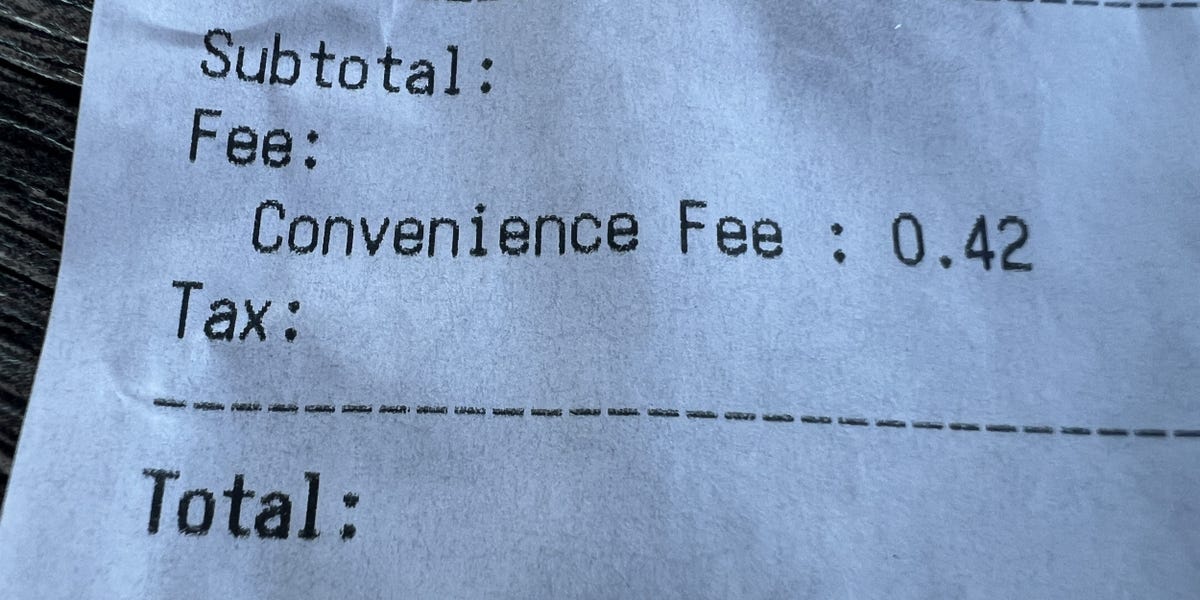
The regulatory environment for food delivery platforms has shifted as federal and local authorities intensify their scrutiny of hidden service charges and pricing transparency. The Federal Trade Commission and various municipal bodies are now targeting the fee structures that have historically bolstered the revenue models of major delivery apps. This shift threatens to dismantle the pricing architecture that has allowed these platforms to maintain margins while balancing the demands of restaurants, drivers, and consumers.
Structural Risks to Platform Revenue
The core of the current regulatory push involves a direct challenge to how delivery companies categorize service fees and delivery surcharges. By labeling these costs as junk fees, regulators are forcing a re-evaluation of how platforms present total costs to the end user. If companies are required to consolidate these fees into base pricing, the immediate effect will be a decrease in price transparency for the consumer, potentially leading to lower order volumes. For platforms like UBER, which relies on a high-frequency transaction model, any friction in the checkout process directly impacts the take rate per order.
This regulatory pressure is not isolated to a single jurisdiction. The coordination between federal oversight and local legislative bodies suggests a sustained campaign rather than a temporary policy adjustment. The following factors define the current risk profile for the sector:
- Mandatory disclosure of all service-related costs before the final checkout screen.
- Potential caps on the percentage-based fees charged to partner restaurants.
- Increased reporting requirements regarding the split between platform revenue and driver compensation.
Sector Read-through and Valuation Impacts
Investors are now forced to consider whether the current valuation of delivery-focused technology firms accounts for a permanent compression in margins. If the ability to layer multiple service fees is removed, platforms must either absorb the cost, pass it on to the consumer through higher menu prices, or reduce the payout to delivery personnel. Each of these options carries significant operational risk. Higher menu prices may drive customers back to traditional dining or direct-to-consumer ordering, while reduced driver pay could lead to labor shortages and slower delivery times.
AlphaScala data currently reflects the volatility inherent in these technology-driven business models. For instance, UBER holds an Alpha Score of 50/100, reflecting a mixed outlook as the company navigates these shifting regulatory requirements alongside its broader logistics operations. Meanwhile, other sectors in the broader stock market analysis are watching these developments to see if the crackdown on junk fees expands into other digital service industries.
The next concrete marker for this narrative will be the formalization of the FTC's proposed rules regarding fee transparency. Any legislative move that mandates a unified, all-in pricing model will serve as the primary catalyst for a sector-wide repricing. Investors should monitor upcoming quarterly filings for management commentary on how these regulatory changes are being integrated into their long-term growth projections and whether they are preparing for a fundamental shift in their unit economics.