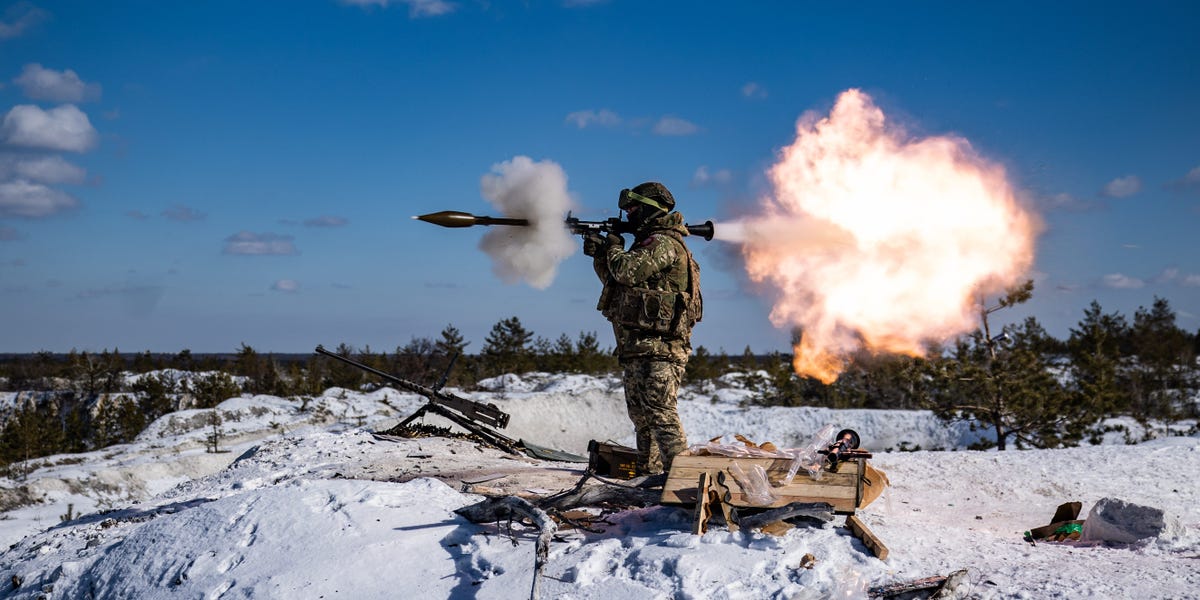
The narrative surrounding the defense industrial base has undergone a fundamental shift as Ukraine transitions from a recipient of Western military aid to a primary source of modern combat intelligence. This evolution forces a reevaluation of how defense contractors and allied governments approach the development of hardware and software for high-intensity conflict. The shift moves the focus away from theoretical modeling toward the rapid iteration of systems based on real-time data from the front lines.
Industrial Base Adaptation
Defense manufacturers are increasingly integrating feedback loops derived from Ukrainian operational experience to refine existing platforms. The reliance on legacy systems has been challenged by the effectiveness of asymmetric, low-cost technologies that have neutralized traditional heavy armor and air superiority assets. This dynamic creates a new procurement environment where speed of deployment and modularity take precedence over the multi-year development cycles that previously defined the sector. Companies capable of pivoting their manufacturing processes to accommodate these lessons are finding themselves in a stronger position to secure future government contracts.
Sector Read-Through and Procurement Cycles
The integration of combat expertise into Western military doctrine suggests a sustained period of capital expenditure for defense firms. Governments are prioritizing the replenishment of stockpiles while simultaneously funding the next generation of autonomous and electronic warfare capabilities. This creates a dual-track demand environment. Established defense primes are tasked with scaling production of conventional munitions, while smaller, agile technology firms are gaining traction by providing software-defined solutions that address the vulnerabilities exposed during the conflict.
AlphaScala data currently tracks various sectors within the broader stock market analysis landscape. While ServiceNow Inc. (NOW stock page) maintains an Alpha Score of 51/100 with a Mixed label, the broader technology sector remains sensitive to the integration of defense-related R&D. Hasbro, Inc. (HAS stock page) remains Unscored, reflecting the divergence between consumer-facing cyclical stocks and the defense-heavy industrial sector.
The Path to Future Capability
Future market performance in the defense sector will likely hinge on the ability of firms to translate these combat lessons into exportable products. The reliance on Ukrainian expertise is not merely a temporary necessity but a structural change in how Western nations assess military readiness. Investors should monitor upcoming defense budget authorizations and the specific allocation of funds toward drone integration and electronic warfare systems. These markers will provide the clearest signal of which companies are successfully aligning their product roadmaps with the realities of modern, high-intensity warfare.
The next concrete indicator will be the release of updated defense procurement guidelines from major Western ministries, which will clarify how much of the current combat data is being codified into long-term acquisition requirements. This will serve as the primary catalyst for reallocating capital within the defense industrial complex.