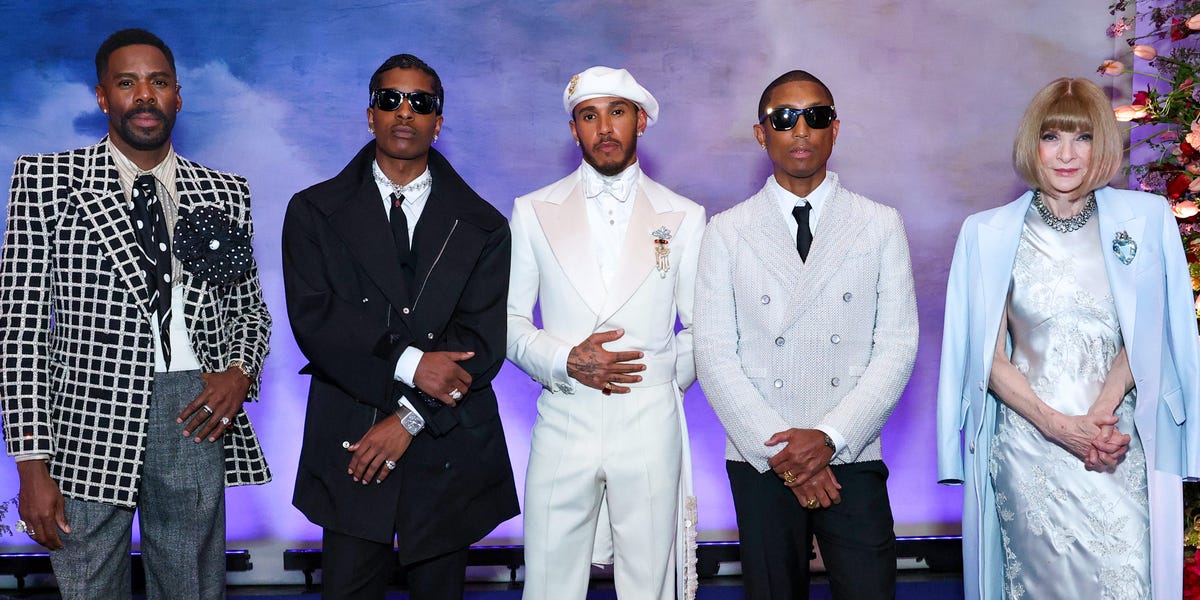
The Met Gala has evolved from a philanthropic gathering into a global marketing engine that dictates the visibility of luxury brands and corporate partners. Since Anna Wintour assumed leadership of the event in 1995, the selection of co-chairs has shifted from industry insiders to a broader coalition of high-profile celebrities and designers. This transition reflects a strategic pivot toward maximizing cultural relevance and media reach, which directly impacts the valuation of the luxury and consumer sectors.
Brand Equity and the Celebrity Co-Chair Model
The selection of co-chairs serves as a primary indicator of where the fashion and entertainment industries are placing their capital. By enlisting figures ranging from fashion designers to global pop icons, the event creates a concentrated period of brand exposure that is difficult to replicate through traditional advertising. Companies that secure a presence at the event or align their brand with the chosen themes often see a measurable spike in social media engagement and consumer interest. This model of influence relies on the intersection of celebrity status and high-end retail, turning the gala into a proxy for the health of the broader consumer discretionary market.
For investors, the event functions as a barometer for the marketing efficacy of major fashion houses and consumer brands. When a company manages to place its representatives or designers in a co-chair position, it signals a high level of institutional influence within the industry. This level of visibility is a critical component of brand equity, which can influence long-term consumer loyalty and pricing power. The shift toward diverse, high-reach co-chairs suggests that firms are prioritizing broad-based cultural penetration over niche exclusivity to drive growth.
Sector Read-Throughs and Market Positioning
While the Met Gala is primarily a cultural event, its impact on the consumer sector is significant. Brands that successfully leverage the gala to launch new collections or highlight sustainability initiatives often see a positive correlation with their market performance in the subsequent quarter. The event acts as a validation point for marketing strategies, where the ability to capture public attention translates into tangible brand strength.
AlphaScala data currently tracks various firms across the financial and consumer sectors, including MET (MetLife Inc.), which holds an Alpha Score of 56/100 and a Moderate label. While MET operates within the financial sector, the broader market often looks to consumer-facing entities like HAS (Hasbro, Inc.) to gauge the strength of discretionary spending. Understanding how these companies navigate high-profile cultural events is essential for stock market analysis.
Investors should monitor the upcoming list of co-chairs and corporate sponsors for the next cycle, as these choices often precede shifts in marketing budgets and brand focus. The next concrete marker for this narrative will be the announcement of the next gala theme and the subsequent list of sponsors, which will provide insight into which companies are prioritizing aggressive brand expansion. Tracking these partnerships allows for a clearer view of how firms are allocating their capital to maintain relevance in a crowded consumer landscape.