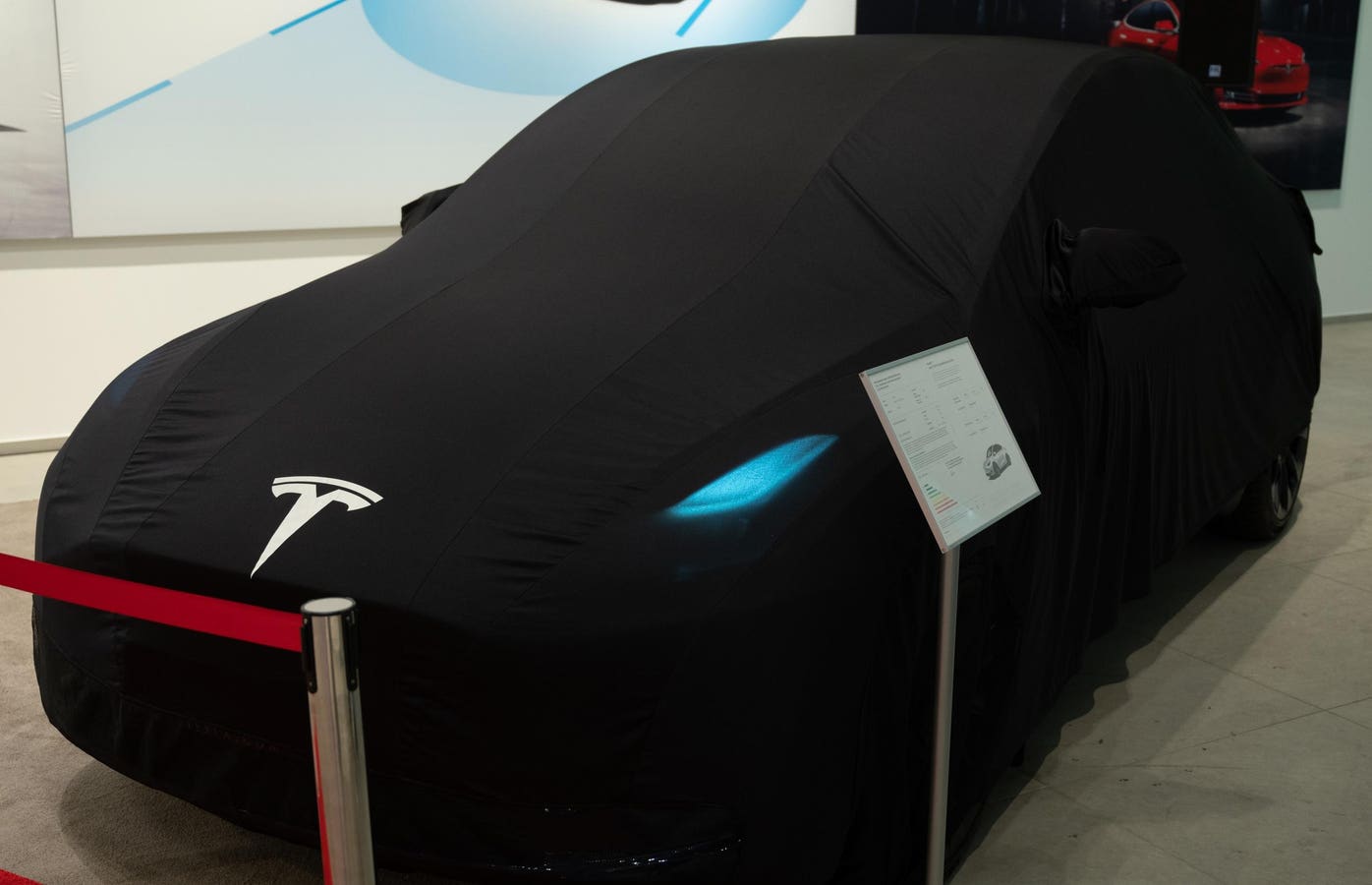
The long-rumored sub-$30,000 Tesla “Model 2” may already exist in plain sight. It is the Cybercab, the two-seat autonomous vehicle Tesla unveiled in October 2024. CEO Elon Musk has stated a target price of $30,000 or less for the Cybercab, matching the price point repeatedly speculated for a mass-market Tesla. The difference is that the Cybercab is a real, engineered platform, not a rumor.
Reuters has reported on a low-cost Tesla model periodically, most recently in April 2024. The conventional assumption has been that Tesla would design an entirely new vehicle from the ground up. The Cybercab, however, is already built from the ground up. It is designed for autonomy but can be sold directly to consumers. The key insight from Musk's public comments is that the Cybercab platform is flexible enough to accommodate a steering wheel and pedals, making it a viable consumer car.
Why the Cybercab Changes the Affordable Tesla Narrative
The naive read on the Cybercab is that it is a robotaxi for a ride-hailing network, not a vehicle for individual owners. The better market read is that Tesla can tweak the Cybercab's configuration to make it more palatable to retail buyers. Adding a steering wheel and conventional controls transforms the Cybercab into a two-seat commuter car at the $30,000 price point. That is the exact product the market has been waiting for since the Model 3 launched at $35,000 in 2017.
Tesla has not confirmed a consumer version of the Cybercab. Musk has signaled that this platform, not a separate clean-sheet design, is where the affordable Tesla lives. The production economics are already in place: the Cybercab uses Tesla's next-generation unboxed manufacturing process, which reduces assembly costs by cutting the number of parts and steps. Scaling that process for a consumer variant would be far cheaper than designing a new vehicle from scratch.
The Catalyst Path for Tesla Investors
This creates a concrete catalyst path. If Tesla announces a consumer Cybercab variant with a steering wheel and a sub-$30,000 price tag, the stock would reprice on volume expectations. The current Tesla (TSLA) valuation depends on the robotaxi narrative and Full Self-Driving licensing revenue. A mass-market consumer car would add a second, more immediate revenue stream.
The risk is that Tesla never delivers a consumer Cybercab. The company has a history of overpromising on timelines and underdelivering on volume. The Cybertruck ramp has been slower than expected, and the Cybercab itself is not yet in production. If Tesla focuses solely on the autonomous ride-hailing use case, the consumer Model 2 remains a rumor.
What Confirms or Weakens the Setup
Confirmation would come from a Tesla filing or Musk statement that explicitly mentions a consumer Cybercab with a steering wheel. That would be the single most bullish catalyst for the stock in 2025. Weakening the setup would be a delay in Cybercab production or a price target above $30,000. The next concrete marker is the Cybercab production start, which Tesla has guided for 2026. If that timeline slips, the affordable Tesla thesis loses credibility.
The AlphaScala take: the Cybercab is the Model 2 in disguise. Investors should watch for any mention of a consumer variant in Tesla's next earnings call or investor day. That is the moment the narrative shifts from speculation to execution.
For more on Tesla's competitive positioning, see our stock market analysis and the Tesla (TSLA) profile.