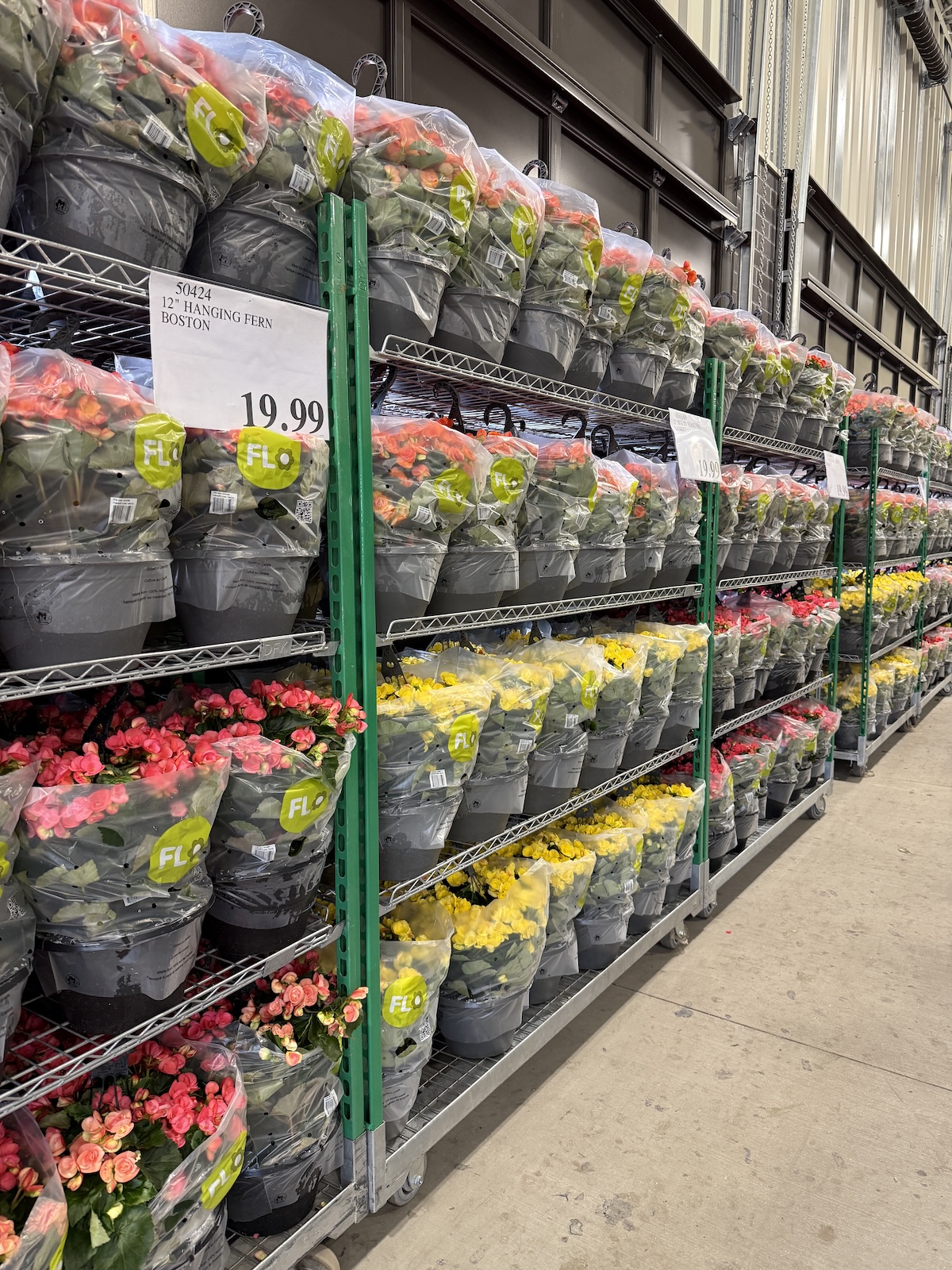
The seasonal influx of horticultural inventory at Costco warehouses serves as a primary indicator of shifting consumer spending patterns as the company transitions into its second-quarter cycle. While the arrival of Mother’s Day-themed floral shipments—ranging from $19.99 begonia baskets to $24.99 dual-orchid pots—generates immediate foot traffic, the underlying retail strategy relies on high-velocity turnover of perishable goods to drive auxiliary store visits. For the warehouse operator, these items function as loss leaders or high-margin impulse buys that anchor the broader seasonal apparel and home goods rotation.
Horticultural Inventory and Warehouse Velocity
The current inventory cycle highlights a deliberate push toward high-volume, low-price-point floral offerings. The presence of 13-inch hanging baskets priced at $24.99 alongside specialized plant varieties like dahlias and tomato starts suggests a regionalized supply chain strategy, where inventory is calibrated to local climate zones. For the consumer, the utility of these items is highly dependent on regional weather patterns, as evidenced by the discrepancy between current inventory availability and the actual planting viability in cooler climates. The risk for the warehouse operator is inventory spoilage if the local climate does not support immediate planting, forcing markdowns or disposal of perishable stock.
Apparel Positioning and Consumer Discretionary Spend
Beyond the floral department, the integration of apparel items like The Gap pajama sets, priced at $12.99, illustrates the company’s focus on high-margin, non-perishable goods that capitalize on the increased foot traffic generated by seasonal staples. The decision-making process for these items often hinges on the perceived value-to-utility ratio. When shoppers encounter these goods, the impulse to purchase is frequently tempered by the utility of the item in a broader lifestyle context, such as the potential for versatile summer wear versus strictly loungewear. This friction point is where the warehouse model succeeds; the low price point mitigates the risk of a non-essential purchase, effectively increasing the average transaction value per visitor.
Comparative Pricing and Value Metrics
The following table outlines the current price points for seasonal inventory observed at the warehouse level, reflecting the company's aggressive pricing strategy to maintain store density and inventory turnover:
| Item Category | Price Point | Strategic Function |
|---|
| Begonia Hanging Baskets | $19.99 | Traffic Driver |
| 13” Mixed Hanging Baskets | $24.99 | Seasonal Volume |
| Dual Orchid Pot | $24.99 | High-Margin Gift |
| The Gap Pajama 2-Pack | $12.99 | Impulse Purchase |
Operational Risks and Seasonal Sensitivity
The primary risk inherent in this retail model is the misalignment between inventory arrival and consumer readiness. As seen with the premature availability of tomato plants and eggplants in regions where temperatures remain below optimal levels, the company faces potential inventory stagnation. For the savvy observer, the key is to monitor the markdown cadence of these items. If inventory remains on the floor past the peak Mother’s Day window, it signals a potential over-ordering issue or a broader cooling in consumer discretionary spending on non-essential home and garden goods.
Investors looking at the broader retail landscape often compare these warehouse-style operations to utility-focused entities like PNW stock page, which operate with far more predictable, regulated revenue streams. Unlike the utility sector, where demand is inelastic, the warehouse retail model is highly sensitive to the timing of seasonal shifts and the psychological triggers of the consumer. The ability to maintain high inventory turnover while managing the perishability of floral stock remains a core competency that distinguishes the warehouse club model from traditional big-box retailers. Monitoring the transition from these spring staples to summer inventory will provide a clearer picture of whether consumer demand remains resilient or if the current volume is merely a reflection of seasonal necessity.