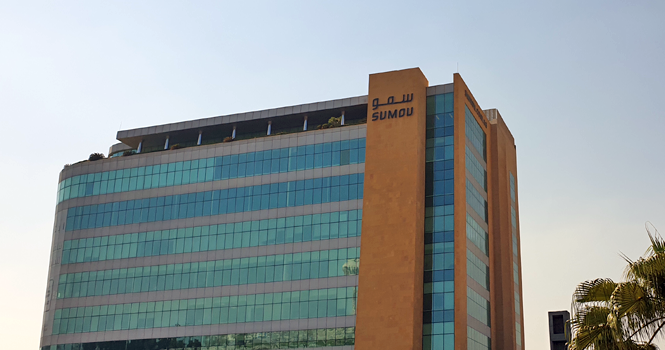
Sumou Real Estate's 35-year Jeddah lease with SARED signals a shift toward long-term development models. Watch for master plan details and capital allocation.
Sumou Real Estate Co. finalized a significant long-term agreement on May 4, entering into a 35-year lease, development, and operation contract with Saudi Airlines Real Estate Development Company (SARED). This deal grants Sumou the rights to develop and manage a specific land plot in Jeddah, marking a strategic expansion of its footprint in the Saudi Arabian real estate sector. The duration of the contract suggests a focus on long-term revenue generation rather than immediate asset turnover, which is a common shift for developers looking to secure stable cash flows in a tightening credit environment.
The move by Sumou signals a broader trend among regional developers to partner with state-linked entities to unlock prime land assets. By securing a 35-year tenure, the company effectively mitigates the risk of land scarcity in high-demand urban centers like Jeddah. For the wider real estate market, this contract serves as a benchmark for how institutional landholders are choosing to monetize their portfolios. Instead of outright sales, the preference for long-term development leases allows entities like SARED to retain ownership while offloading the operational and financial burden of construction and management to specialized firms like Sumou.
Investors should consider the implications for the construction supply chain and secondary real estate service providers. A project of this duration necessitates a multi-phase approach to capital expenditure and labor procurement. If Sumou maintains its current pace of project acquisition, it will likely exert upward pressure on local demand for materials and specialized engineering services. This creates a secondary read-through for firms operating in the Saudi construction space, as the pipeline for large-scale, multi-decade developments continues to expand.
While the 35-year term provides a long runway for return on investment, it also ties up significant capital in a single project. The primary risk for shareholders is the execution timeline and the potential for cost overruns during the development phase. Unlike short-term residential projects, a 35-year operation contract requires consistent maintenance and management efficiency to ensure that the asset remains profitable throughout its lifecycle. The company must balance this long-term commitment with its existing portfolio obligations to avoid liquidity constraints.
Market participants tracking this development should look for subsequent disclosures regarding the specific nature of the development, such as whether the site will be utilized for commercial, residential, or mixed-use purposes. The mix will dictate the revenue model and the sensitivity of the project to broader economic cycles. As the company moves from the signing phase to the planning and construction phase, the next concrete marker will be the announcement of the project's master plan and the projected capital investment required to bring the Jeddah site to operational status. For those interested in regional sector trends, this deal reinforces the ongoing shift toward institutional-grade real estate partnerships in the Kingdom.
AI-drafted from named sources and checked against AlphaScala publishing rules before release. Direct quotes must match source text, low-information tables are removed, and thinner or higher-risk stories can be held for manual review.