Stocks● Neutral
Comey Indictment Extends Beyond 8647 Instagram Post
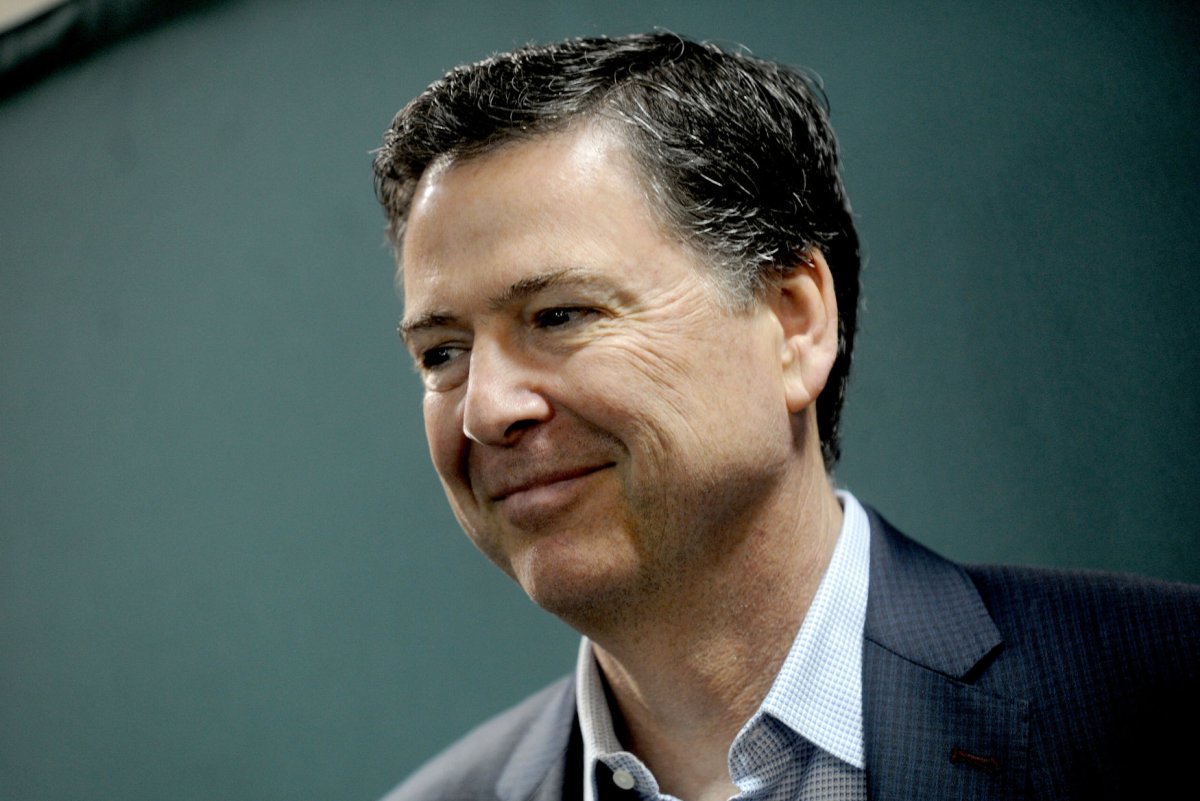
Acting AG Todd Blanche claims the Comey indictment rests on 11 months of evidence, not just the 8647 Instagram post, as legal skepticism over the case grows.
Continue with
Acting Attorney General Todd Blanche has moved to clarify the scope of the Department of Justice’s case against former FBI Director James Comey, asserting that the two-count indictment is not anchored solely to a controversial social media post. The legal action, which alleges that Comey knowingly and willfully made a threat against the life of President Donald Trump, has drawn significant scrutiny regarding the evidentiary threshold required for such a high-profile prosecution. While the "8647" Instagram post—depicting seashells arranged on a beach—is explicitly cited in the indictment, Blanche maintains that the government’s position relies on a broader, 11-month investigative record.
The Evidentiary Scope of the Prosecution
The indictment, filed on April 28, centers on the interpretation of the "8647" imagery, which the DOJ alleges constitutes a threat transmitted through interstate commerce. The number sequence is interpreted by the government as a directive to "86"—slang for eliminating or removing—the 47th President of the United States. This interpretation has become the primary point of contention for both legal observers and political figures who question whether the post meets the legal standard for a credible threat. By emphasizing that the case is the product of nearly a year of evidence collection, Blanche is attempting to shift the narrative away from the singular, highly visible social media post that initially triggered public debate.
For market participants and those monitoring institutional stability, the distinction between a prosecution based on a single digital artifact versus a substantive body of evidence is critical. A case built primarily on a social media post faces a high risk of dismissal or public backlash, potentially signaling a shift in the regulatory or prosecutorial environment. Conversely, if the government possesses additional, non-public evidence of intent or communication, the legal risk to the defendant increases significantly. The promise of a public trial remains the primary mechanism for the market to assess the strength of the DOJ’s claims.