Commodities● Neutral
CNG Price Third Hike in 10 Days Hits Transport Fuel Arithmetic
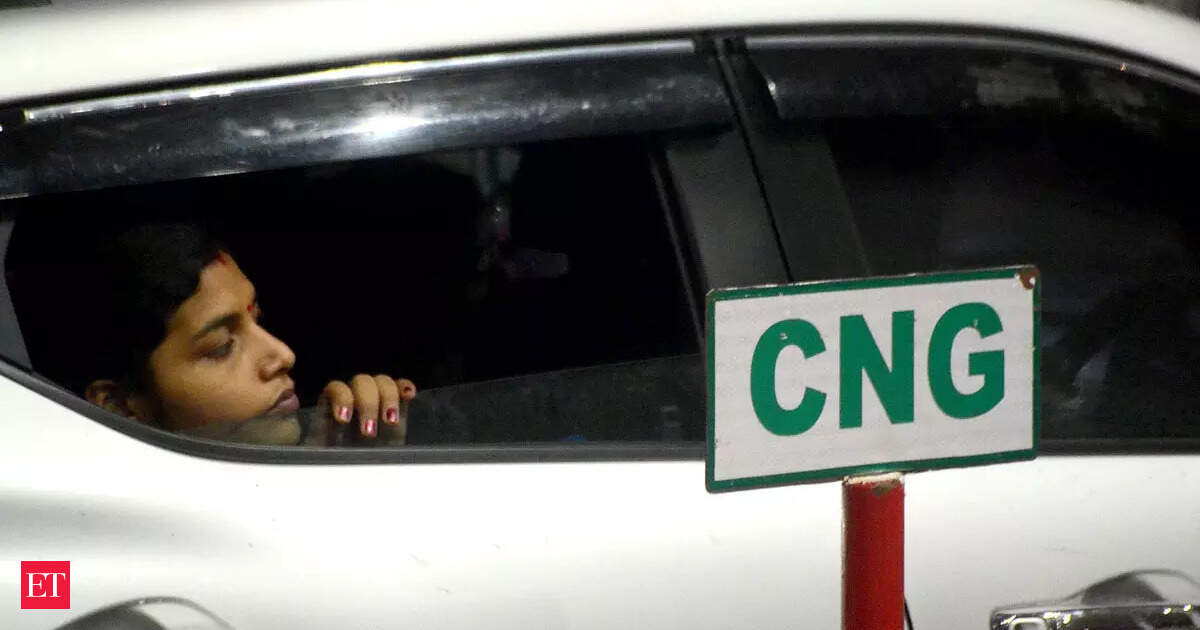
Delhi CNG rises Re 1/kg for third time in 10 days. Strait of Hormuz risk drives crude and domestic gas costs higher, squeezing distributors and fleet operators. Next hike probable if crude holds.
Continue with
CNG prices in Delhi rose by Re 1 per kg on the latest adjustment, the third such increase in ten days. The sequence of hikes follows earlier rises in petrol and diesel and is linked to a surge in international crude oil prices driven by Middle East tensions and the Strait of Hormuz blockade. The frequency of the pass-through – three retail price changes in 10 days – indicates that upstream cost pressure is acute and sustained.
The Strait of Hormuz Supply Channel
City gas distribution companies set CNG prices based on domestic gas allocations that are priced off an administered formula tied to global crude and LNG benchmarks. When crude oil rises, the input cost floor shifts higher. The Strait of Hormuz is a chokepoint through which about 20% of global seaborne oil and LNG transits. Any blockade risk or disruption premium lifts crude benchmarks and, by extension, the domestic gas price. The current cadence of hikes suggests the pricing mechanism is operating on a weekly cycle rather than the typical monthly report, implying that the cost shock is persistent.
Impact on City Gas Distributors and Transport Fuel Mix
The read-through from this price action reaches beyond a single city. CNG competes directly with petrol and diesel as a transport fuel for taxi fleets, buses, and auto-rickshaws. A Re 1 per kg hike repeated three times in ten days narrows the cost advantage that CNG holds over liquid fuels. Fleet operators now face a margin squeeze: either absorb the higher fuel cost or pass it through to fares. Over time, repeated hikes could push some operators to switch back to petrol or diesel if the price gap closes further. For the government, the same crude surge raises the import bill for liquid fuels and puts pressure on administered pricing for domestic natural gas. The overall fuel-cost environment for the downstream chain becomes tighter.