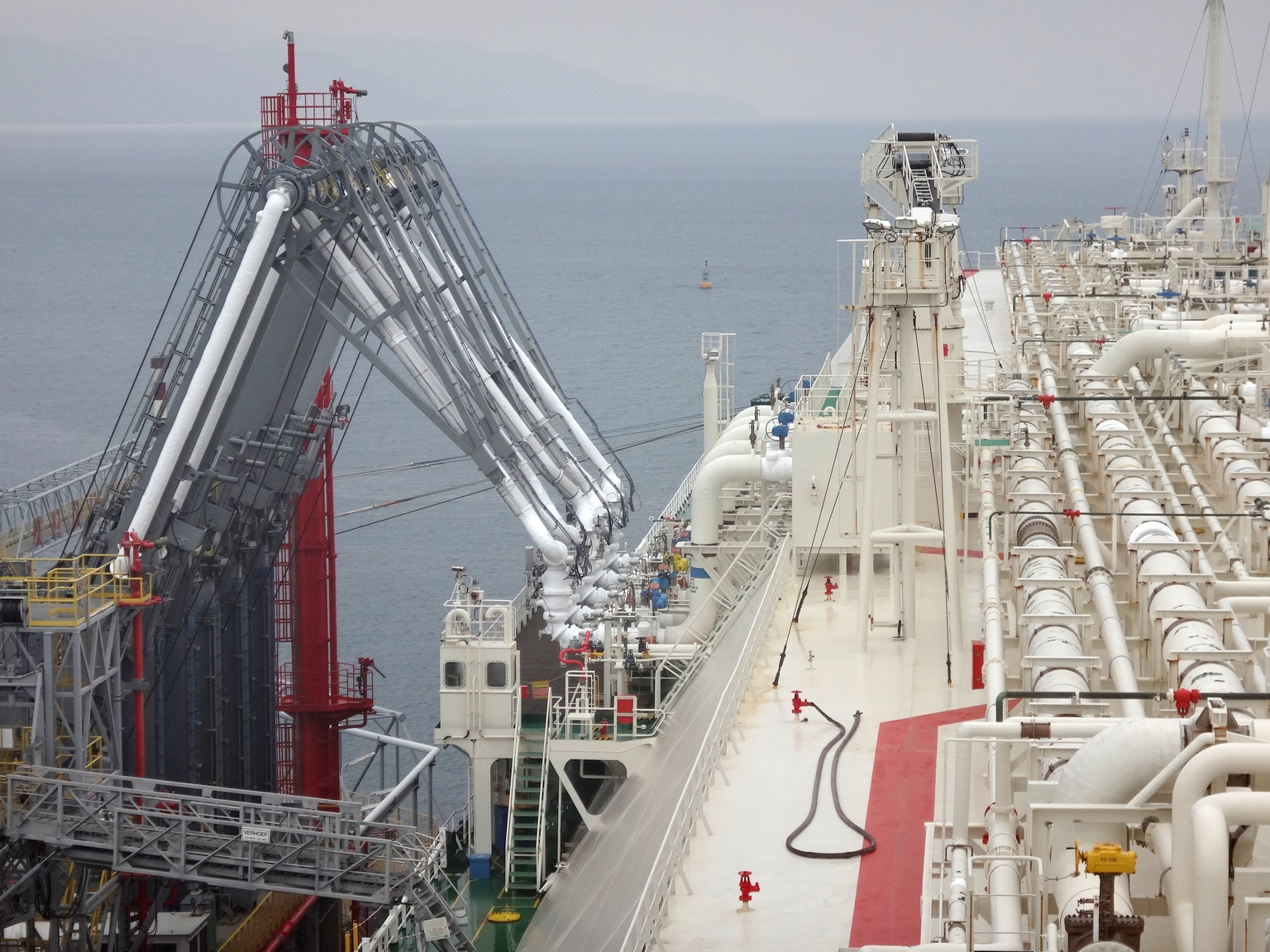
Golar LNG (GLNG) reported a $17B+ contracted EBITDA backlog during its Q1 analyst call, a figure that gives the floating LNG (FLNG) operator more than 20 years of revenue visibility. For a sector where project risk and capital intensity often cap valuations, that backlog changes the math.
The simple read is that Golar has locked in long-term cash flows. The better market read is that the market is still pricing GLNG like a mid-cycle shipping name rather than an infrastructure compounder with contracted cash flows. That gap between backlog and valuation is the opportunity the Q1 call exposed.
The Backlog Mechanism and What It Changes
Golar's $17B contracted EBITDA backlog is not a theoretical pipeline. It represents signed FLNG vessel charters with fixed fees, take-or-pay structures, and minimum volume commitments. The 20+ year visibility means the company can model revenue with a precision rare in energy infrastructure.
Most LNG shipping names trade on spot rates and fleet utilization. Golar's backlog shifts the valuation anchor from spot volatility to contracted cash flow. The FLNG segment now accounts for the majority of that backlog, and each new vessel sanction adds another multi-year revenue stream.
What confirms the thesis: if Golar sanctions a second FLNG vessel (FLNG-2) in 2025, the backlog would grow further, and the market would be forced to re-rate the stock on an infrastructure multiple rather than a shipping multiple. What weakens it: a delay in FLNG-2 final investment decision or a cost overrun on the current conversion project.
Golar LNG's Position in the FLNG Demand Cycle
Global demand for FLNG capacity is accelerating. Several large gas discoveries in Africa and the Middle East lack pipeline infrastructure, making FLNG the fastest route to monetization. Golar is one of only two operators with a proven FLNG track record.
The company's existing FLNG vessel, Hilli Episeyo, has operated at above-nameplate capacity, demonstrating the technology's reliability. That operational track record supports the backlog's credibility. New entrants face a multi-year learning curve, giving Golar a structural advantage in bidding for new projects.
Transport risk is minimal for FLNG. The vessel processes gas at the field and offloads LNG directly onto carriers. There is no pipeline dependency, no onshore permitting risk, and no midstream bottleneck. That execution simplicity is part of why the backlog commands a premium.
The Valuation Gap and the Decision Point
Golar's current enterprise value sits at roughly 5x the $17B backlog, implying the market discounts most of that contracted revenue. For an infrastructure asset with take-or-pay contracts, a 5x multiple is low. Comparable midstream infrastructure names trade at 8x to 12x contracted EBITDA.
AlphaScala's Alpha Score rates GLNG at 57/100 (Moderate), reflecting the gap between fundamental strength and market pricing. The score captures the backlog's quality but also the execution risk on future vessel sanctions.
The next decision point is the FLNG-2 final investment decision, expected in the second half of 2025. A positive FID would add $8B to $10B to the backlog and force a valuation re-rating. A delay would keep the stock range-bound, with the backlog supporting the floor but not driving upside.
For traders watching the GLNG stock page, the catalyst is binary: either the market starts pricing the backlog on an infrastructure multiple, or it waits for FLNG-2. The Q1 call made the case for the former. The next quarterly update will show whether the market is listening.