Stocks● Neutral
India-Russia energy ties widen beyond crude to gas and nuclear
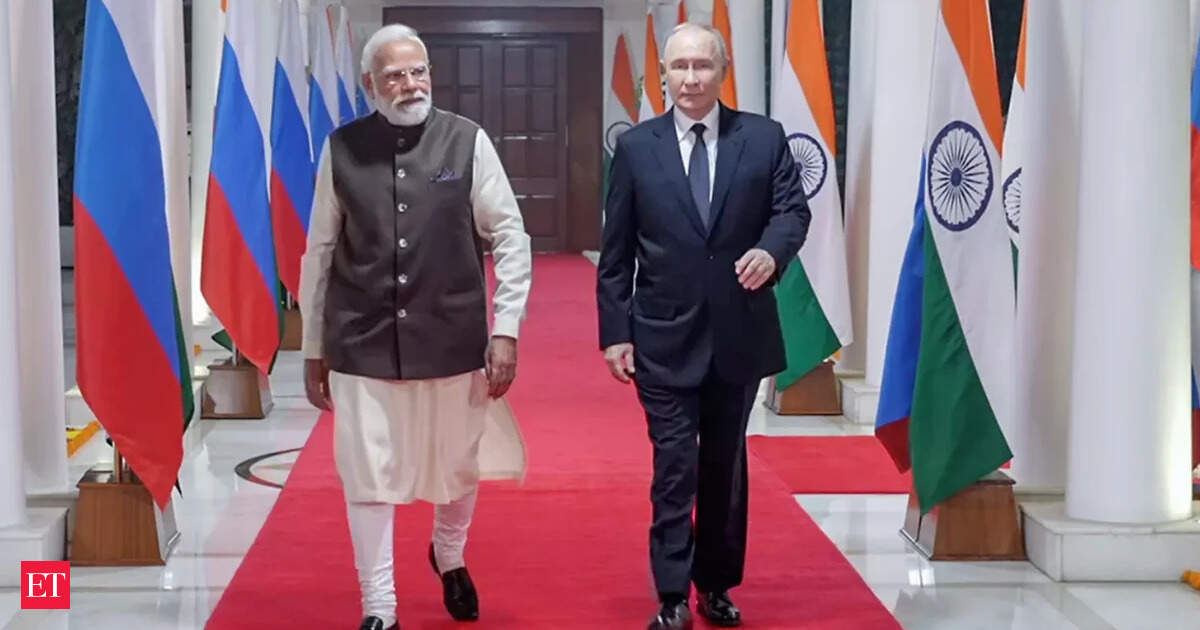
New discussions cover LPG, petrochemicals, and nuclear projects like Kudankulam. US sanctions waivers may not extend to these new categories, creating risk for Indian energy firms.
Continue with
India and Russia are moving beyond crude oil into a broader energy partnership that now includes gas, petrochemicals, and civil nuclear power. The shift expands the set of assets and companies exposed to potential US sanctions enforcement. It also complicates the risk calculation for anyone holding Indian energy stocks or Russian-linked plays.
The core event is a widening of bilateral discussions. Gas supplies, joint ventures for hydrocarbon development, LPG purchases, and new oil and gas facilities are now on the table alongside the existing crude relationship. Civil nuclear cooperation is gaining momentum, with the Kudankulam project in Tamil Nadu as the showcase for Russian reactor technology. The US has continued issuing sanctions waivers that allow India to import Russian crude. The expansion into gas and nuclear opens new regulatory territory that those waivers do not automatically cover.
Kudankulam and the Nuclear Dimension
The nuclear component is the most structurally significant because it locks in long-term technology transfer and fuel supply relationships. Russia's Rosatom is the builder and fuel supplier for Kudankulam, with multiple additional units planned. For Indian engineering and construction firms involved in nuclear infrastructure – names such as Larsen & Toubro (L&T) – the partnership creates a steady revenue stream. It also ties their project timelines to Russian supply chains. Any tightening of US secondary sanctions on Russian nuclear entities would directly affect those contractors.
Gas, LPG, and Petrochemicals: The Next Layer
Russia is already India's top crude supplier. The new discussions target LPG purchases and joint development of oil and gas facilities. Indian state-owned energy companies such as ONGC, GAIL, and Indian Oil Corporation are the most likely counterparties. Expanding into gas and petrochemicals means longer-term contracts, infrastructure investments, and greater capital lock-in. The risk is that US sanctions policy, which has relied on waivers to keep Indian crude purchases compliant, does not automatically extend to these new categories. A change in US administration or a shift in geopolitical posture could leave Indian firms holding assets or contracts that trigger sanctions exposure.