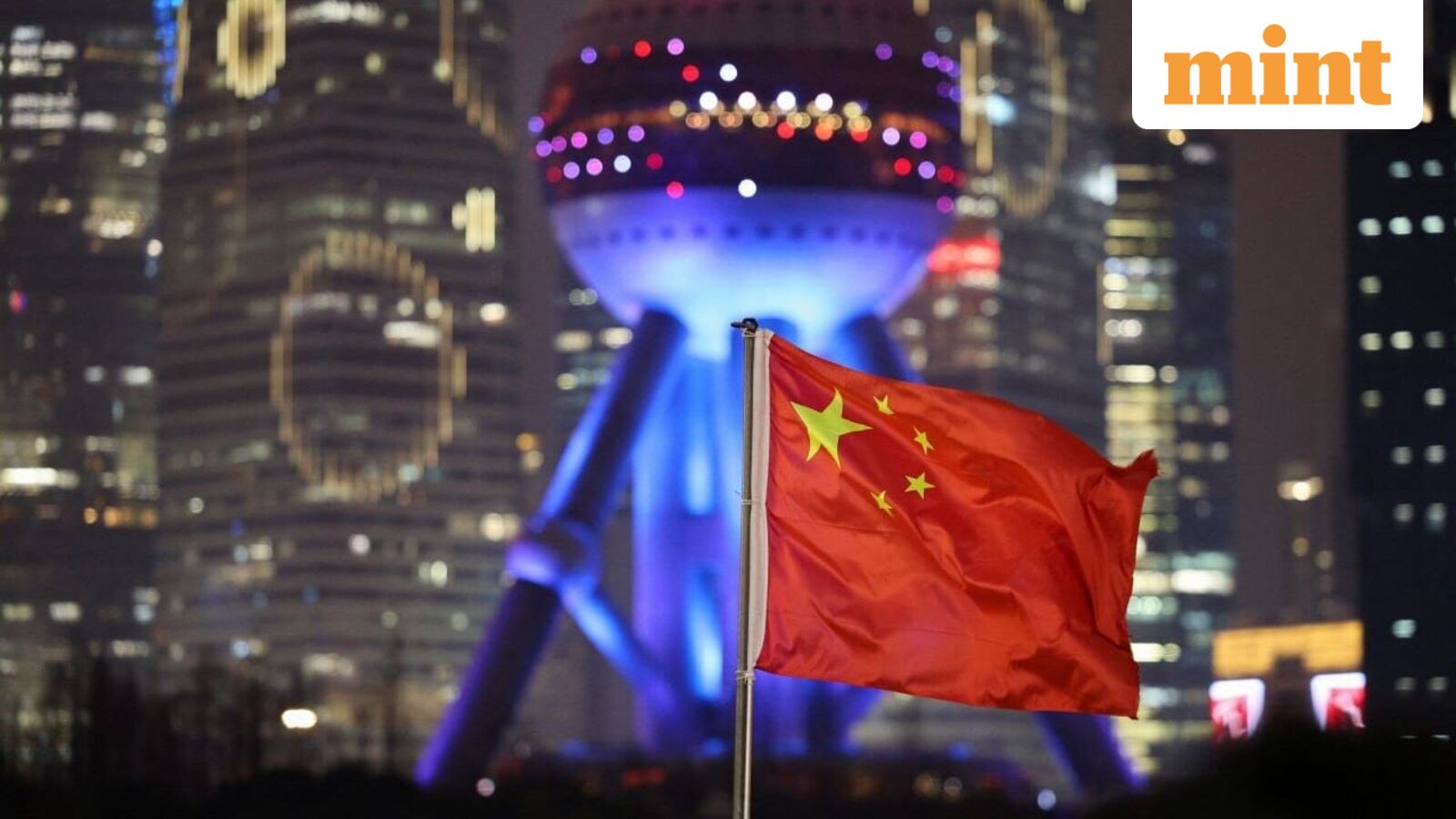
China’s economy posted a growth rate that aligns with its 5% annual GDP target in the first quarter of 2026, defying concerns sparked by a recent slump in export activity. While the headline figure suggests relative stability, the path to reaching the full-year goal remains tethered to a recovery in global trade flows and the shifting priorities of Beijing’s policy planners.
The Export Conundrum
Recent data showed a distinct deceleration in export volume, a critical component of China’s growth engine. If this weakness persists, the reliance on domestic consumption to bridge the gap will intensify. Investors have watched the Singapore NODX Jumps 15.3% as AI-Driven Electronics Lead Recovery report as a bellwether for regional trade, yet China’s specific export basket faces unique pressures from trade protectionism and shifting manufacturing supply chains. The divergence between domestic manufacturing output and external demand is currently the primary friction point for the PBOC.
Geopolitical Risk and Capital Allocation
Beijing is balancing its economic mandate against a stated desire for strategic independence. Markets are pricing in a scenario where the government may prioritize long-term sovereignty over short-term efficiency gains. This tension is evident in its approach to Geopolitical Risk Premiums Persist as Iran Demands Inclusion in Lebanon Ceasefire Talks, which creates uncertainty for shipping lanes and energy costs. Traders should keep a close eye on the crude oil profile for signs that energy prices could act as a drag on Chinese industrial margins.
| Metric | Status | Impact on Growth |
|---|
| Q1 GDP Growth | 5% | Baseline Target |
| Export Volume | Decelerating | Negative Pressure |
| Domestic Demand | Mixed | Critical Support |
Market Implications
For those tracking Asian indices, the 5% growth threshold acts as both a floor and a ceiling. When Beijing hits its target, it provides a psychological buffer for global markets, yet the lack of aggressive stimulus suggests a preference for managed growth rather than a reflationary boom. Traders should watch for the following developments:
- PBOC Monetary Easing: Any shift in reserve requirement ratios will signal if growth is lagging behind the 5% target.
- Trade Policy Shifts: Ongoing disputes regarding India Demands Secure Transit in Strait of Hormuz as Shipping Risks Escalate highlight the fragility of maritime logistics.
- Equity Allocation: Investors are rotating out of export-heavy industrials and into domestic-facing services as the economy tries to pivot away from trade dependency.
"Whether geo-strategic aims will shape its game is a multi-trillion dollar question."
Ultimately, the ability of China to sustain this 5% pace rests on whether the global trade environment normalizes or if geopolitical friction forces a permanent shift toward isolationist industrial policy. Markets will remain sensitive to any rhetoric from Beijing that suggests a preference for geopolitical posturing over trade-led growth. Expect volatility in correlated gold profile assets as a hedge against potential policy missteps in the coming quarter.