Back to Markets
Macro● Neutral

Trump Signals Potential De-escalation in Iran as Regional Shipping Risks Persist

Trump Signals Potential De-escalation in Iran as Regional Shipping Risks Persist

President Trump signals a nearing end to the conflict in Iran, even as 158 ships remain incapacitated, signaling potential relief for global energy and freight markets.

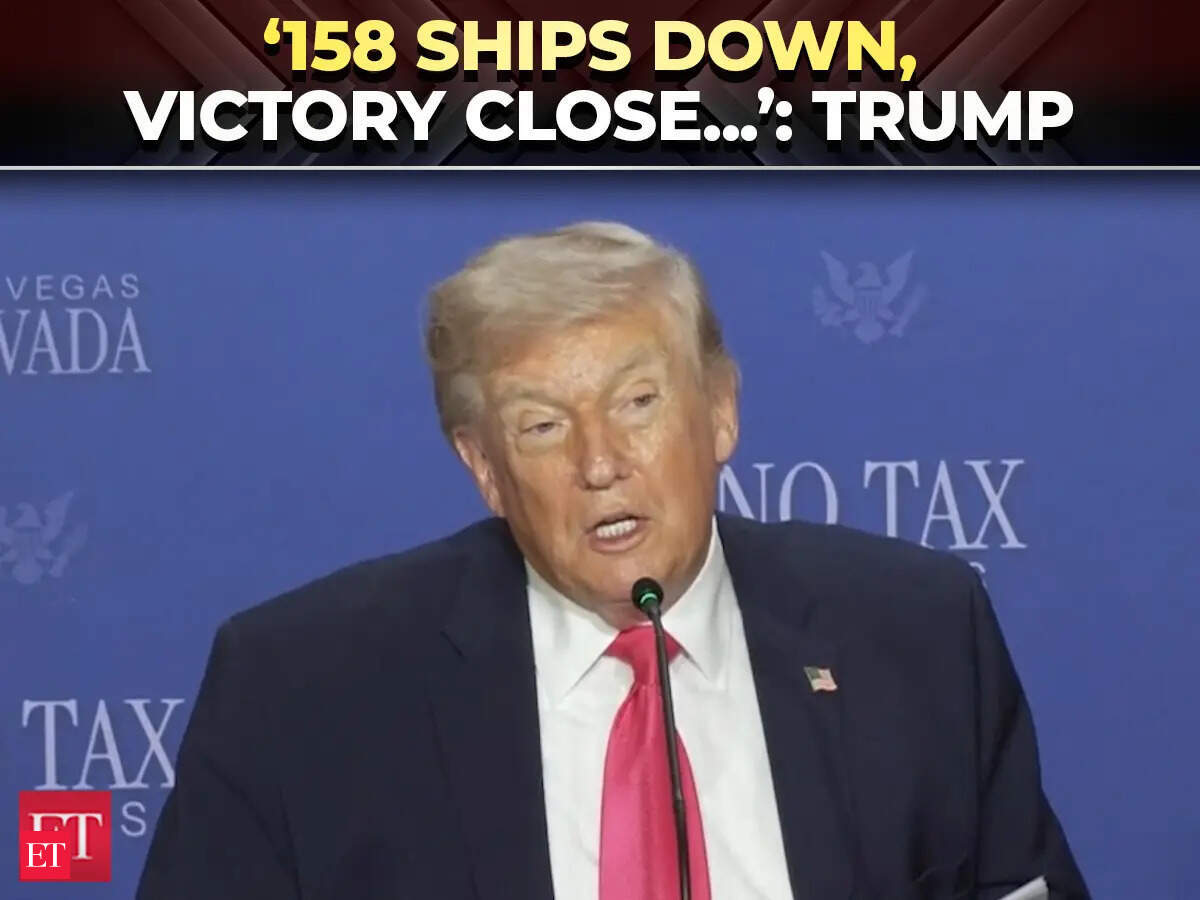
President Donald Trump stated during a Las Vegas event on April 16 that the conflict involving Iran is progressing toward a resolution and should conclude soon. The President's remarks arrive alongside reports of 158 vessels currently disabled or sunk in the region, a figure that underscores the high cost of the ongoing maritime instability.

The Maritime Toll

The scale of the disruption in regional waters remains a critical factor for global supply chains. With 158 ships reported at the bottom of the sea, the physical damage to commercial fleets has forced a recalibration of maritime insurance and transit routes. Trump indicated that tankers in the area are receiving active warnings to avoid specific zones, effectively creating a blockade of sorts that keeps energy and goods from moving freely through key chokepoints.

"Tankers in the region are being warned to stay away," the President noted, emphasizing the current state of caution enforced by regional powers and US vigilance.

Market Impact and Energy Flows

For traders, the primary concern is the volatility of crude oil profile prices and the risk premiums baked into shipping stocks. When maritime traffic in the Middle East stalls, the immediate reaction is a spike in Brent and WTI futures as the market prices in a prolonged supply bottleneck. If the conflict truly ends soon, as the President suggests, the market should expect a rapid unwinding of these risk premiums.

  • Energy Prices: Watch for a potential pullback in crude if the threat to tanker transit dissipates.
  • Shipping Rates: Freight costs have likely reached a local peak given the volume of incapacitated vessels.
  • Safe-haven Rotation: Any signs of a diplomatic breakthrough will likely trigger a sell-off in gold profile, which has been acting as a hedge against the regional instability.

Trader Outlook

Market participants should distinguish between political rhetoric and actual de-escalation on the ground. While the administration is signaling an end to the conflict, shipping companies will likely maintain high insurance surcharges until the 158-vessel casualty count is no longer being actively added to. Look for official notices from the International Maritime Organization regarding the reopening of safe corridors as the primary indicator that the situation has stabilized.

If the conflict terminates, the focus will shift from supply disruption to the normalization of trade flows. Traders should monitor the spread between spot and forward oil contracts for signs that the market is beginning to price in a post-conflict environment. A return to standard transit times would be a direct catalyst for lower shipping costs and a boost to margins for major importers. Expect the volatility index to contract if these diplomatic signals translate into actual reductions in regional naval activity.

How this story was producedLast reviewed Apr 17, 2026

AI-drafted from named primary sources (exchange feeds, SEC filings, named news wires) and reviewed against AlphaScala editorial standards. Every price, earnings figure, and quote traces to a specific source.

Editorial Policy·Report a correction·Risk Disclaimer