India Demands Secure Transit in Strait of Hormuz as Shipping Risks Escalate

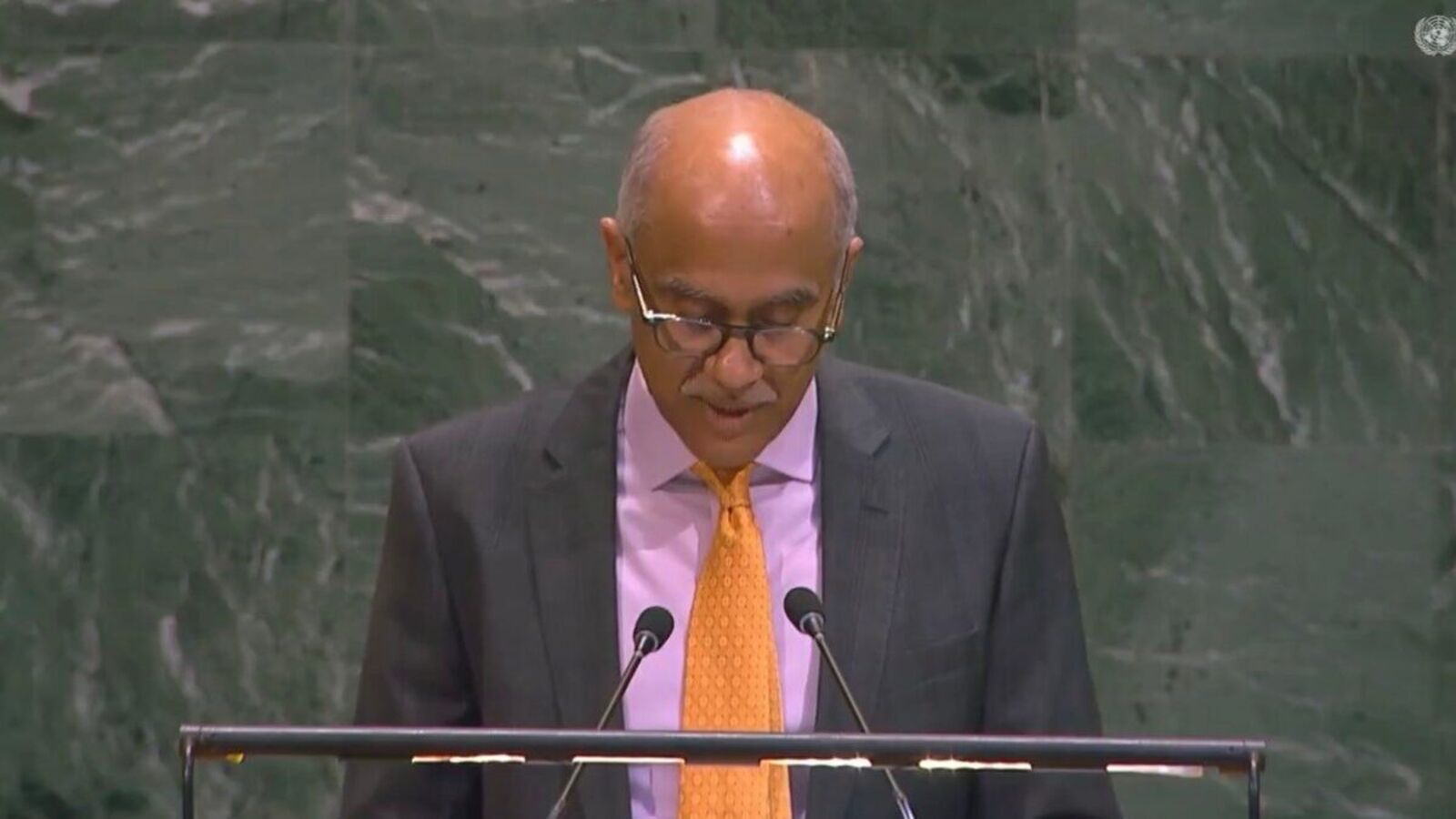
India’s Ambassador to the UN has formally condemned threats to commercial shipping in the Strait of Hormuz, calling for immediate de-escalation to protect critical trade lanes.
Geopolitical Friction Hits Energy Throughput
India’s Ambassador to the UN, Harish P, issued a formal rebuke of the recent threats targeting commercial shipping vessels within the Strait of Hormuz. The statement characterizes the current interference as unacceptable and calls for a restoration of safe passage to prevent further disruption to global supply chains.
The Strait of Hormuz remains the world’s most critical maritime chokepoint, with roughly 20% of global petroleum consumption passing through its narrow waters daily. For India, a major net importer of energy, any sustained instability in the region threatens to widen the trade deficit and spike domestic inflationary pressures.
Market Implications and Risk Premiums
Traders tracking the crude oil profile are likely to see this diplomatic pivot as a sign that regional tensions are reaching a threshold where major stakeholders can no longer remain silent. While the market often prices in localized skirmishes, a sustained threat to the Strait forces a re-evaluation of risk premiums embedded in energy futures.
- Energy Volatility: Expect heightened sensitivity in CL (Crude Oil) to any headlines involving tanker safety or naval maneuvers in the Persian Gulf.
- Supply Chain Costs: Increased insurance premiums for vessels entering the region will inevitably flow through to landed costs for energy, pressuring margins for importers.
- Safe Haven Flows: Escalation in the Middle East typically triggers a flight to quality, benefiting the gold profile as investors hedge against broader regional conflict.
"Targeting of commercial shipping is unacceptable," Ambassador Harish P stated, emphasizing that the restoration of safe navigation is a non-negotiable requirement for regional and global economic stability.
Monitoring the Chokepoint
Market participants should watch for any shifts in naval deployment or changes in maritime insurance rates for tankers transiting the area. If shipping companies begin to reroute vessels around the Cape of Good Hope, the resulting increase in transit times will act as a de facto reduction in global oil supply, tightening the prompt-month spread.
Historical data suggests that when diplomatic discourse shifts from private warnings to public UN addresses, the window for de-escalation is narrowing. Traders should remain wary of sudden spikes in volatility if physical supply disruptions occur, as the current market structure leaves little room for error regarding energy logistics.
Monitoring these developments is essential for those balancing portfolios against sudden macro shocks. The stability of the Strait of Hormuz remains a primary variable for global inflation expectations.
AI-drafted from named primary sources (exchange feeds, SEC filings, named news wires) and reviewed against AlphaScala editorial standards. Every price, earnings figure, and quote traces to a specific source.