Geopolitical Risk Premiums Persist as Iran Demands Inclusion in Lebanon Ceasefire Talks

Iranian officials are demanding Lebanon's inclusion in any U.S.-Iran peace framework, complicating ceasefire efforts while Israel maintains its military posture in the region.
Iranian Parliament speaker Mohammad Bagher Ghalibaf declared that any potential peace agreement between Tehran and Washington must explicitly include Lebanon. This demand complicates the ongoing diplomatic push to stabilize the Levant and suggests that regional actors remain far apart on the terms of a de-escalation.
The Diplomatic Standoff
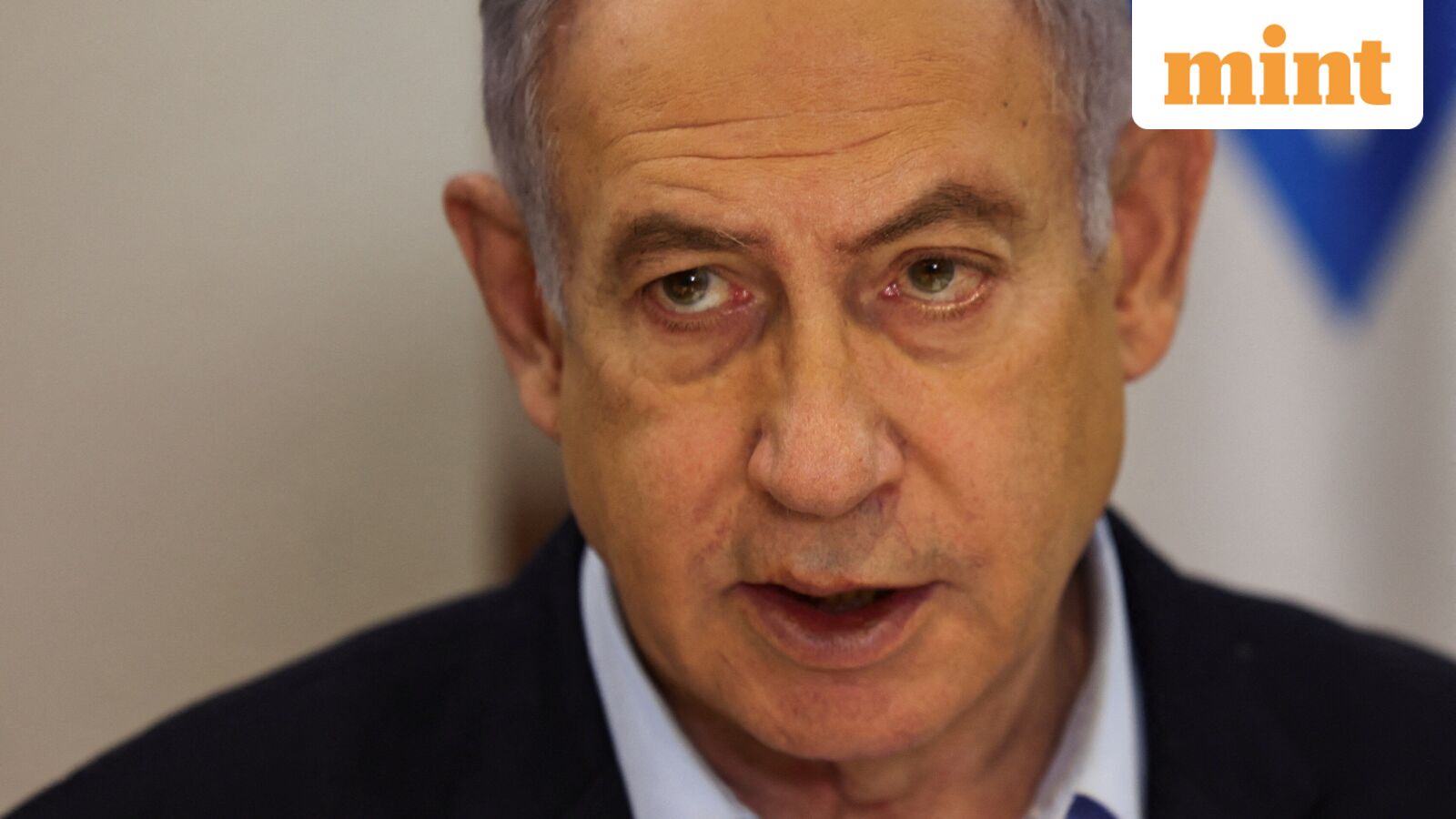
While international mediators work toward a cessation of hostilities in Lebanon, the rhetoric from Tehran signals a rigid stance on regional security architectures. Ghalibaf’s insistence on Lebanon’s role in U.S.-Iran relations highlights the strategic depth Tehran attributes to the theater. Israel, meanwhile, maintains a hardline posture. Prime Minister Benjamin Netanyahu has signaled that Israeli military operations will continue regardless of diplomatic progress, citing the necessity of operational freedom to address security threats.
Market participants are tracking these developments for their potential to disrupt regional energy flows and shipping corridors. The persistence of conflict in the Middle East often acts as a floor for volatility in energy markets, as traders weigh the risk of supply chain interruptions against broader global demand concerns.
Market Impact and Risk Assessment
For investors, the primary concern remains the potential for an escalation that draws in broader regional powers. When diplomatic channels stall, the risk premium on energy assets typically expands. Traders monitoring the crude oil profile should account for the following factors:
- Geopolitical Volatility: Ongoing military activity in Lebanon limits the downside for oil prices despite tepid demand data from China.
- Safe-Haven Positioning: Persistent instability often triggers capital flight into defensive assets like the gold profile, which has seen renewed interest as a hedge against unpredictable political outcomes.
- Regional Shipping: Any expansion of the conflict threatens key maritime chokepoints, potentially spiking insurance premiums for tankers.
What to Watch
Market focus is now shifting toward the incoming U.S. administration's policy framework. President-elect Donald Trump has described the current diplomatic overtures as "very exciting," suggesting a potential shift in the U.S. approach to the region. However, the gap between speculative optimism and on-the-ground reality remains wide. Traders should monitor shifts in the SPX and DJI for signs of risk-off sentiment if ceasefire negotiations collapse entirely.
Watch for any formalization of terms between the involved parties, as a breakdown in communication would likely force a rapid repricing of energy risk. Short-term volatility remains the baseline expectation until concrete, verifiable progress replaces the current cycle of rhetoric and military posturing.
AI-drafted from named primary sources (exchange feeds, SEC filings, named news wires) and reviewed against AlphaScala editorial standards. Every price, earnings figure, and quote traces to a specific source.