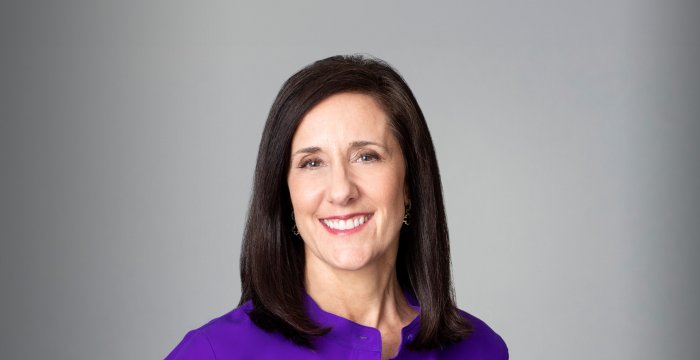
Cboe Global Markets named Julie Bauer as Senior Vice President and Head of Government Relations. The appointment places a former senior executive from the Options Clearing Corporation (OCC) and FINRA at the center of the exchange group's policy strategy. For a company that derives roughly half its net revenue from options trading, the move is a direct signal that regulatory architecture is now a frontline competitive variable.
The Hire and the Regulatory Exposure
The simple read is that Cboe is adding a seasoned Washington hand. The better market read is that the exchange is reinforcing its defenses at a moment when market-structure rulemaking is accelerating. Bauer's resume spans the OCC, the central counterparty for U.S. listed options, and FINRA, the self-regulatory organization that oversees broker-dealers. That dual experience matters because Cboe's business sits at the intersection of clearing infrastructure and trading-venue regulation.
Cboe operates the largest U.S. options exchange by volume. Any shift in margin requirements, position limits, or order-handling rules flows directly into the company's transaction-fee revenue. The Securities and Exchange Commission has an active agenda that includes proposals on equity market structure, payment for order flow, and exchange pricing models. A dedicated government relations lead with deep operational knowledge of how rules translate into clearing and surveillance mechanics gives Cboe a seat at the table before proposals become final.
- Bauer previously served as Executive Vice President and Chief of Staff at the OCC, where she managed regulatory strategy and external affairs.
- Her FINRA tenure included oversight of member regulation and enforcement coordination.
- Cboe's government relations function now reports directly to the Chief Legal Officer, a structure that elevates policy advocacy to the same level as litigation and compliance.
What Shifts the Risk Equation for CBOE
The stock trades at a forward earnings multiple that embeds an assumption of stable regulatory economics. CBOE shares have historically commanded a premium to other exchange operators partly because the options franchise generates high-margin, recurring revenue. That premium narrows when the regulatory outlook clouds the path of fee growth.
Three variables determine whether this hire reduces or merely acknowledges risk. First, the pace of SEC rulemaking. If the Commission moves forward with a proposal to overhaul exchange fee schedules, Cboe's ability to shape the final rule through comment letters and direct engagement becomes a tangible asset. Second, the political cycle. A change in administration or congressional leadership can reprioritize financial-services oversight, and a government relations head with bipartisan credibility is a hedge against abrupt policy swings. Third, the competitive landscape. Rival exchanges and alternative trading systems are also investing in policy teams. The appointment is less about gaining an edge than about not falling behind.
AlphaScala's proprietary scoring places CBOE at 64 out of 100, a Moderate rating within the Financial Services sector. The score reflects the company's durable revenue streams, offset by the concentration of its earnings in a single asset class that is sensitive to regulatory change.
The Next Decision Point
The appointment itself does not change the near-term earnings trajectory. The next concrete marker is the quarterly filing, where management's commentary on regulatory costs and the outlook for transaction fees will either validate or undercut the thesis that proactive policy engagement preserves the multiple. A material increase in compliance spending without a corresponding stabilization of the regulatory environment would suggest the risk is structural rather than cyclical. Conversely, a benign rulemaking calendar and steady options volumes would support the view that Cboe's government relations investment is an insurance policy that pays off over multiple years.