Stocks● Neutral
Mo’ Bettahs Opens in Downtown Phoenix, Testing Urban Scalability
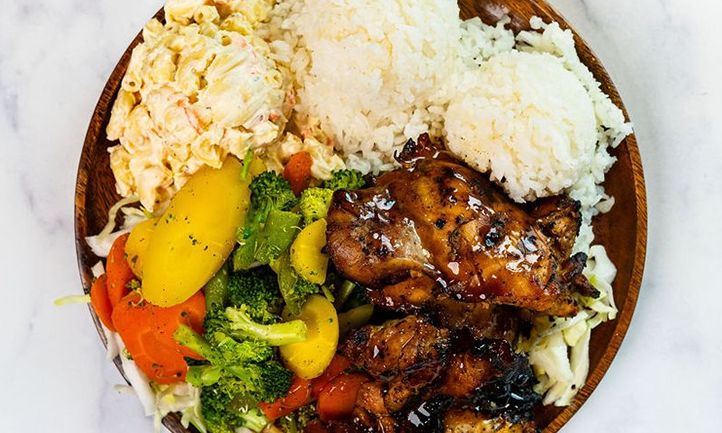
Mo' Bettahs' second Arizona location opens May 18 in downtown Phoenix, testing whether the Hawaiian plate lunch concept can draw consistent urban traffic.
Continue with
Mo’ Bettahs Hawaiian Style Food will open its second Arizona location on May 18 at 50 W. Jefferson St., Suite 180, in the CityScape development, placing the 75-unit chain directly into downtown Phoenix for the first time. The opening shifts the brand’s real estate strategy from suburban strip centers to a high-density urban trade area, creating a live test of whether the Hawaiian plate lunch concept can generate consistent traffic from office workers, residents, and event-goers.
The Downtown Phoenix Opening: A Real-Estate Test for a Suburban Brand
Mo’ Bettahs has built its footprint across Utah, Idaho, Oklahoma, Texas, Nevada, and Arizona primarily in suburban locations. The CityScape site, however, places the restaurant in the heart of Phoenix’s central business district, surrounded by office towers, entertainment venues, and a growing residential population. This is a deliberate departure from the brand’s historical site-selection model.
Why CityScape Changes the Traffic Mix
A downtown unit faces a different demand profile than a suburban store. The lunch window, from roughly 11:30 a.m. to 1:30 p.m., becomes the dominant revenue driver, dependent on office worker foot traffic. Evening and weekend sales rely on residents and event attendees, a segment that is less predictable. The CityScape location will need to capture both to justify the higher occupancy costs typical of urban real estate.
The brand is not relying solely on organic discovery. Two days of Friends and ‘Ohana celebration events on May 15 and 16 will introduce the concept to the neighborhood. Each day features lunch and dinner service with complimentary mini plates, drinks, and swag. Friday evening’s dinner extends into a community block party at Patriot’s Square, including a ribbon-cutting ceremony at 5:30 p.m. These events serve as a demand signal: the company is investing in pre-opening marketing to build awareness and trial before the official public opening.
The Plate Lunch Model: Low Complexity, High Throughput
The Mo’ Bettahs menu is a disciplined execution of the traditional Hawaiian plate lunch: a protein, two scoops of rice, and macaroni salad. Proteins include grilled teriyaki chicken or steak, kalua pig, pulehu chicken, katsu chicken, and shrimp tempura. The format has structural advantages that support scalability in high-volume urban settings.
Menu Engineering for Speed and Margin
The kitchen operates with a limited number of protein SKUs that share common cooking methods. Grilled items use a flat-top or grill; fried items share a fryer. This reduces kitchen complexity and speeds up assembly. Steamed rice and macaroni salad are low-cost, high-margin sides that help offset protein cost fluctuations. The assembly-line format allows for high throughput during peak lunch hours, a critical factor for a downtown location where customers expect quick service.
Catering as a Second Revenue Engine
The brand lists catering as a core offering, and a downtown unit can tap into corporate orders from nearby offices. Large-format pans of teriyaki chicken, kalua pig, and rice travel well and scale easily, making the concept a natural fit for office lunches and events. If the Phoenix location builds a steady catering book, it will add a high-margin revenue layer that suburban units may not replicate as consistently. The catering channel also smooths out demand beyond the lunch and dinner dayparts.
Private Equity’s Urban Thesis: What the Backers Need to See
Mo’ Bettahs’ expansion accelerated after the brand partnered with Savory Restaurant Fund, Blue Marlin Partners, and Trive Capital. These firms specialize in scaling regional restaurant concepts, and their backing signals a belief that Hawaiian plate lunch can become a national category. The downtown Phoenix opening is a critical data point for their investment thesis.