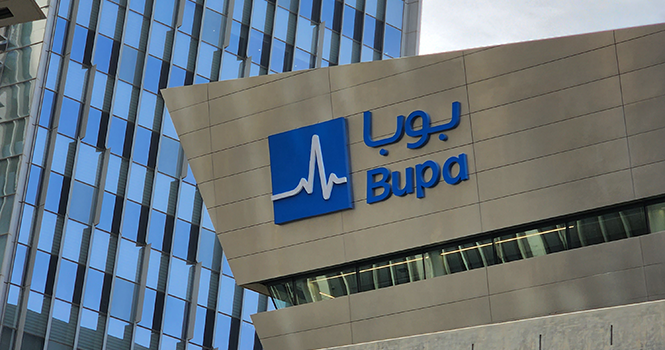
Bupa Arabia's one-year SABIC renewal caps revenue visibility and raises renegotiation risk for 2026. The short-term contract limits premium predictability and puts pricing pressure on the insurer. Investors should watch next earnings for premium disclosure.
SABIC has renewed its health insurance contract with Bupa Arabia for Cooperative Insurance Co. for one year, a decision disclosed on May 24 that narrows the revenue visibility window for the insurer. The contract takes effect July 4, 2026, continuing the existing relationship with no coverage gap.
Corporate health insurance contracts in Saudi Arabia often run three to five years, giving insurers predictable premium streams that support valuation multiples. A one-year renewal shifts the dynamic. Bupa Arabia must renegotiate the agreement every twelve months, exposing its top line to annual pricing pressure and potential client attrition.
SABIC is one of the largest industrial employers in the Middle East. The premium volume tied to its employee base is material for Bupa Arabia. Losing this account or accepting lower per-head premiums would directly affect earnings. The short duration means analysts cannot assume multi-year revenue from this client without a new renewal in mid-2026.
The timing of the disclosure also matters. The renewal was received just over a month before the contract start date. That narrow window suggests SABIC may have taken a more aggressive stance in negotiations, possibly pushing for lower rates or shorter commitment terms. Bupa Arabia did not disclose the premium value of the renewed contract, which limits the market's ability to assess margin impact.
For an insurer like Bupa Arabia, visible recurring premiums from corporate clients are a core driver of valuation. Multi-year contracts reduce earnings uncertainty and lower the cost of capital. A one-year term introduces a periodic risk event. Each renewal becomes a binary catalyst: either it is signed and the stock holds at its current revenue baseline, or it is lost or reduced, triggering a downward revision.
The short duration also limits the positive read-through from this renewal. The market already prices in a high probability of retention given the longstanding relationship between SABIC and Bupa Arabia. Confirming continuation for only one year provides no additional runway. Investors now need clarity on two variables: the contract's premium volume, which Bupa Arabia may disclose in its next quarterly report, and the pricing trend in the Saudi corporate health insurance market, where competition among insurers has been rising.
The key question for Bupa Arabia is whether SABIC's one-year extension signals a structural change in procurement strategy. SABIC is undergoing operational integration with Aramco and is involved in large industrial contracts, such as the SAR 8.8 billion agreements recently ratified by Maaden. If SABIC consolidates its benefits procurement into a larger third-party administrator model, direct health insurance contracts like this one could face more intense competition.
For now, the renewal removes the immediate downside of a non-renewal. It does not extend the runway. Bupa Arabia must demonstrate it can retain a client of SABIC's scale on terms that sustain margins. The next earnings call will be the first test.
For broader context on Saudi market developments, see our stock market analysis and the latest on SABIC Earnings Recovery and Aramco Outlook for Q1 2026.
Prepared with AlphaScala research tooling and grounded in primary market data: live prices, fundamentals, SEC filings, hedge-fund holdings, and insider activity. Each story is checked against AlphaScala publishing rules before release. Educational coverage, not personalized advice.