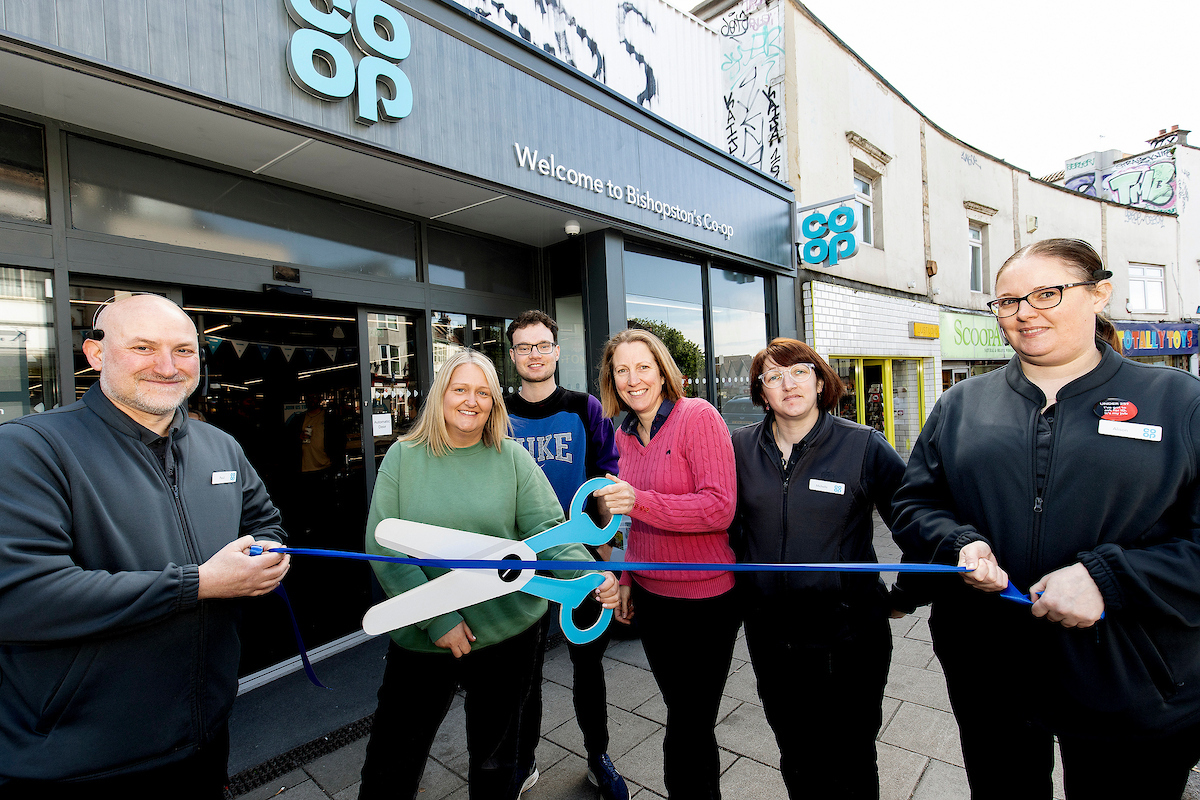
The Bishopston Co-op has reopened after a four-month renovation. The project aims to boost local market share through a modernized retail footprint and layout.
The Bishopston Co-op officially reopened its doors to the public on Tuesday, May 5, marking the conclusion of a comprehensive four-month investment program. This renovation effort, centered on the Gloucester Road location, aims to modernize the retail footprint and enhance the shopping experience for the local community. While store-level refurbishments are often viewed as routine maintenance, the scale of this four-month project suggests a strategic push to defend market share in a competitive local grocery landscape.
Retailers frequently utilize store makeovers as a mechanism to drive higher transaction volumes and increase average basket sizes. By reconfiguring the floor plan and updating the aesthetic, the Co-op is likely attempting to improve operational efficiency and customer throughput. For local consumers, the change is immediate, but for market observers, the focus remains on whether this capital expenditure translates into measurable revenue growth. The four-month duration of the project indicates a significant commitment of resources, which typically requires a clear path to improved margins or increased foot traffic to justify the return on investment.
In the broader context of stock market analysis, small-scale retail investments often serve as a bellwether for how established chains are responding to the rise of discounters and digital delivery services. When a legacy brand like the Co-op commits to a major makeover, it is often a defensive maneuver designed to maintain brand relevance in high-density urban or suburban areas. The success of this specific location will depend on its ability to leverage the new layout to improve inventory turnover and reduce waste, two critical factors in the thin-margin grocery sector.
Investors should look past the headline of a store reopening to evaluate the underlying capital allocation strategy. If this project is part of a wider regional rollout, it may signal an attempt to standardize the customer experience across the network. However, if the investment is isolated, it may simply be a localized effort to address specific competitive pressures or infrastructure obsolescence. The true test will be the performance metrics in the subsequent two quarters. If the store fails to show a sustained uptick in sales volume, the capital deployed for this transformation may be viewed as an inefficient use of liquidity. Conversely, a successful integration of the new store format could provide a blueprint for future upgrades across the company's portfolio. The next concrete marker will be the company's next quarterly earnings report, where management will likely address whether these store-level investments are yielding the expected improvements in overall store productivity and regional profitability.
AI-drafted from named sources and checked against AlphaScala publishing rules before release. Direct quotes must match source text, low-information tables are removed, and thinner or higher-risk stories can be held for manual review.